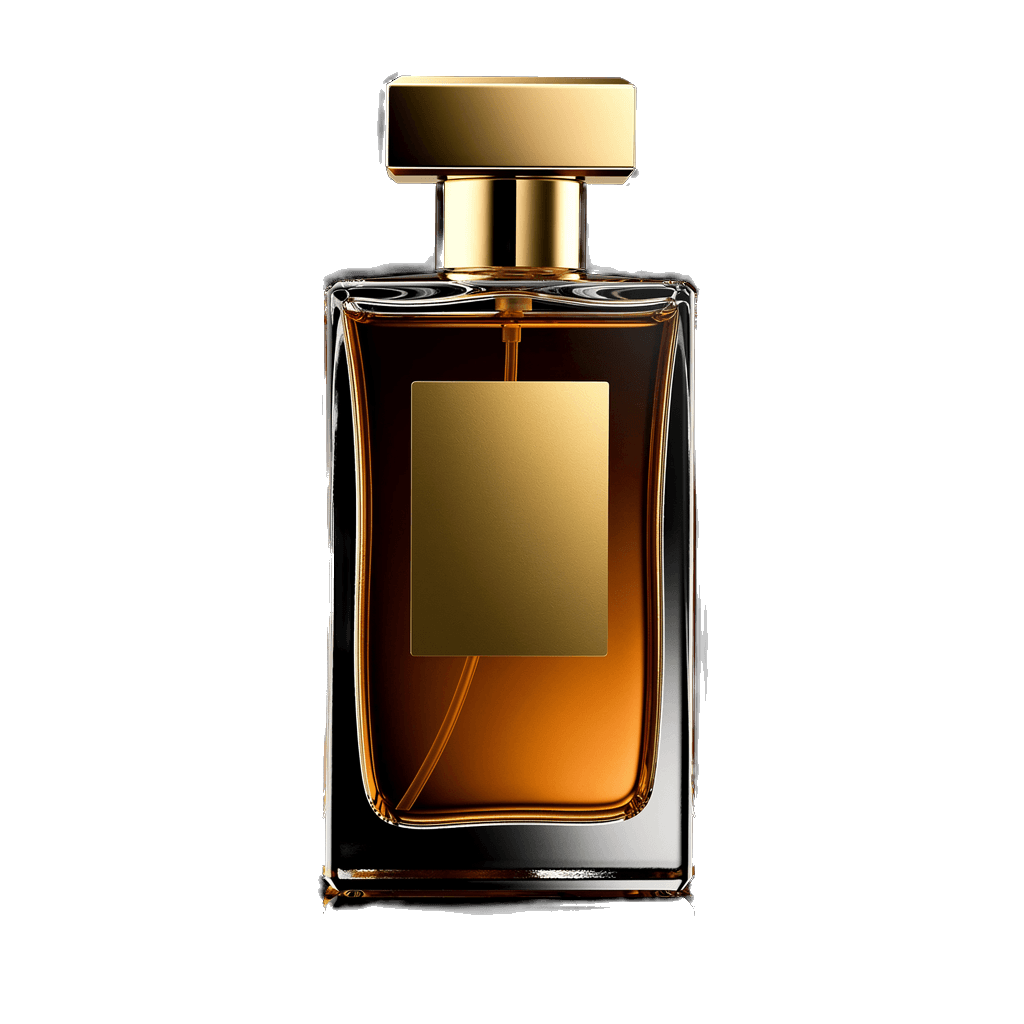
The Heritage
The Story of Diptyque
Three friends — a painter, an interior designer, and a theater director — opened a boutique on Paris's Boulevard Saint-Germain in 1961. What began as a fabric and décor shop became one of the most influential niche houses in perfumery. Diptyque's oval-label candles are iconic, but its fragrances deserve equal reverence: literary, textured compositions that smell like places rather than products.
Heritage
In 1961, three friends with artistic souls—painter Desmond Knox-Leet, interior designer Christiane Gautrot, and theater director Yves Coueslant—opened a shop at 34 Boulevard Saint-Germain in Paris. It wasn't a perfumery at first. It was a chic little bazaar where they sold their own printed fabrics alongside unusual objects they'd collected on their travels. The name, Diptyque, came from the store's two symmetrical windows, which reminded them of a two-paneled painting, or diptych. This artistic, curatorial spirit defined them from the start. Their foray into scent began in 1963 with a line of scented candles—Aubépine, Cannelle, and Thé—that quickly gained a cult following. But the true turning point came in 1968 with the launch of their first fragrance, L'Eau. Inspired by a 16th-century potpourri recipe and a pomander, it was a scent that broke from the conventions of its time. Over the following decades, Diptyque built a reputation for its evocative, narrative-driven perfumes that felt like personal memories rather than mass-market products. The 2005 acquisition by Manzanita Capital allowed the brand to expand globally, bringing its unique Parisian vision to a wider audience without losing the distinctive character that made it so special.
Craftsmanship
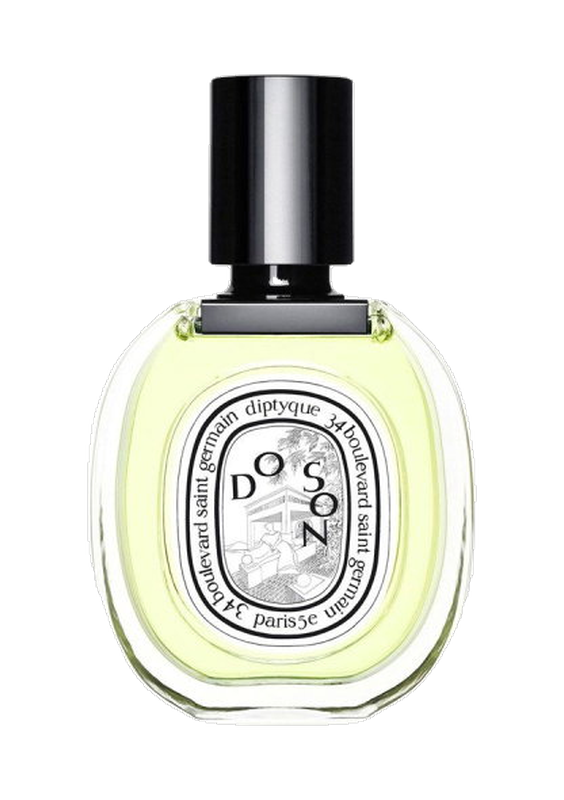
Diptyque entrusts its formulas to some of the world's most respected perfumers, including Olivia Giacobetti and Fabrice Pellegrin, giving them the creative freedom to interpret a story. The house is known for its high concentration of quality natural raw materials, often building a composition around one exceptional ingredient sourced for its specific character, like the heady tuberose from Grasse in Do Son. The result is fragrances with remarkable texture and clarity, where the ingredients feel authentic and alive. This commitment to quality extends to their legendary candles. Each candle is a product of meticulous, often manual, labor. They use a proprietary blend of high-quality waxes to ensure a clean, even burn and an exceptional scent throw that fills a room without being overwhelming. The wicks are specially chosen for each scent and straightened by hand to guarantee they are perfectly centered. This hands-on process ensures that the candle you burn at home is as perfect as the one tested in their French workshop.
Design Language
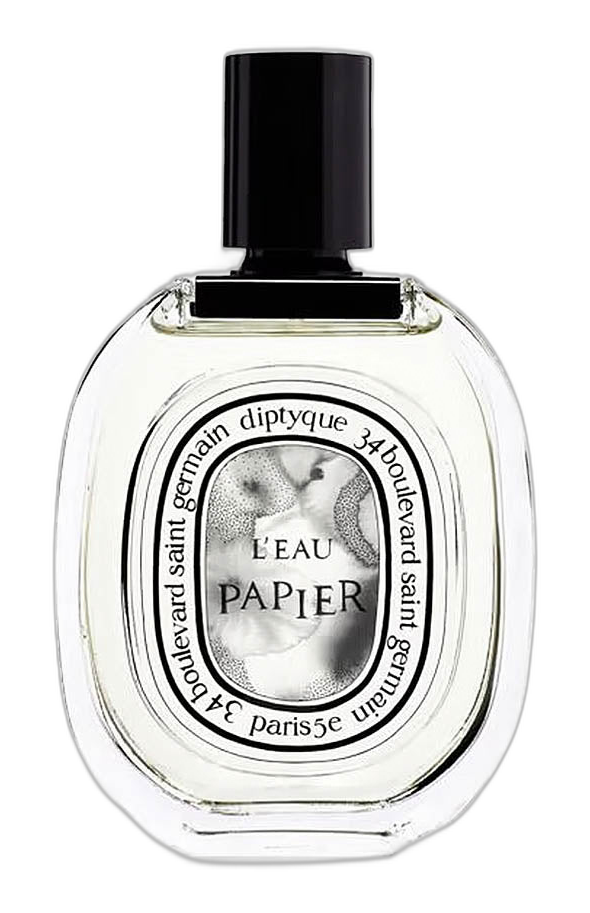
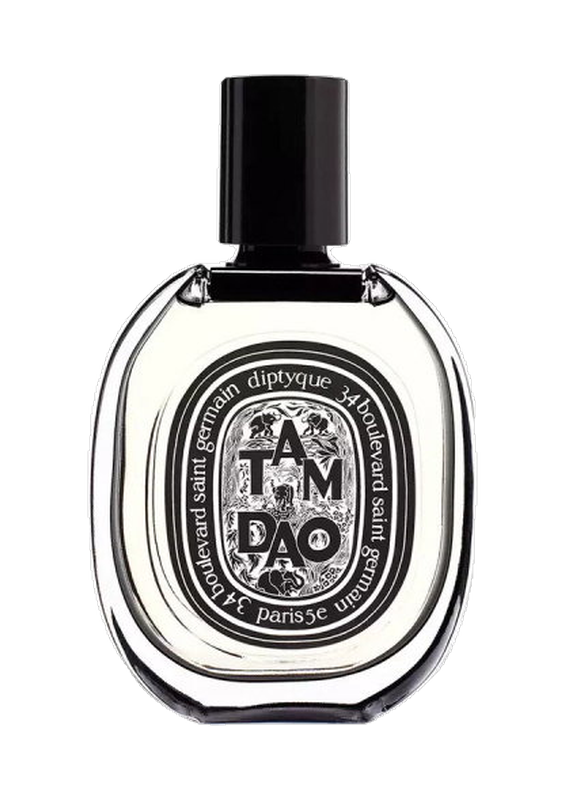
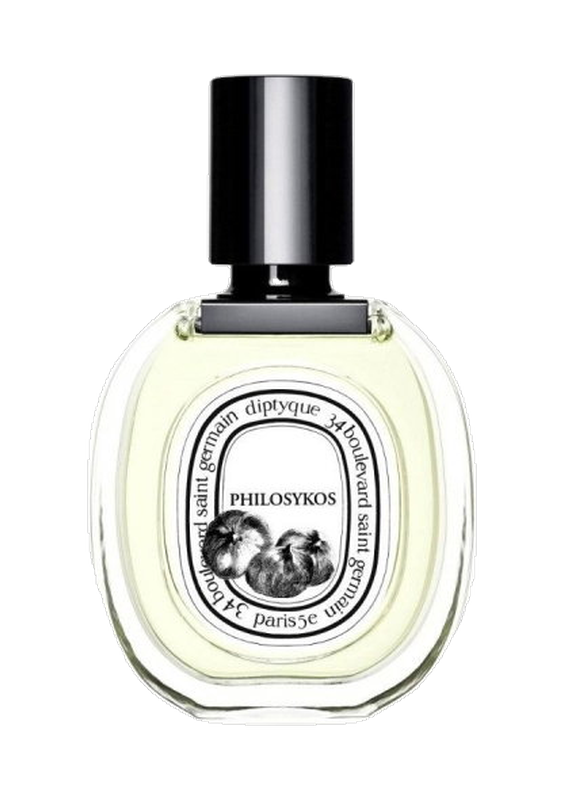
Diptyque's visual identity is as iconic as its scents. The brand's signature is the oval label, a shape inspired by the shield of an ancient Roman praetorian guard, which Desmond Knox-Leet adapted for the brand's first fabric prints. Inside the oval, the letters of the fragrance's name dance in a seemingly random arrangement, a playful, artistic jumble that is instantly recognizable. This black-and-white, typographic-led design feels both classic and modern, like a page from an elegant art journal. This narrative approach extends to the packaging itself. On the back of every eau de toilette and eau de parfum bottle, you'll find a beautiful line drawing that tells the story of the fragrance within. For Philosykos, it's a sketch of a Greek landscape; for Do Son, it's an illustration of a Vietnamese seaside pagoda. This detail turns each bottle into a complete object of art, connecting the visual with the olfactory and inviting the user to discover the world behind the scent.
Philosophy
Diptyque's creative process is driven by memory, nature, and storytelling. They don't chase trends; they chase feelings. A fragrance often begins not with a marketing brief, but with a shared memory from one of the founders, a specific landscape, or a piece of literature. The goal is to create an 'olfactory landscape' that transports the wearer. Think of Philosykos, which doesn't just smell like fig fruit but captures the entire tree: the green leaves, the milky sap, and the warm wood. This approach gives their scents an intellectual and poetic quality. They are perfumes for people who are curious about the world and appreciate artistry in all its forms. The brand's philosophy is rooted in a belief that scent is a powerful form of expression, capable of painting pictures and telling stories that words cannot. It’s a quiet rebellion against the loud, commercial nature of modern perfumery, offering something more personal and contemplative.
Key Milestones
1961
Christiane Gautrot, Desmond Knox-Leet, and Yves Coueslant open a boutique at 34 Boulevard Saint-Germain.
1963
The house launches its first three scented candles: Aubépine (Hawthorn), Cannelle (Cinnamon), and Thé (Tea).
1968
Diptyque creates its first eau de toilette, L'Eau, based on a 16th-century potpourri recipe.
1996
Philosykos is launched. Created by Olivia Giacobetti, its realistic portrayal of the entire fig tree becomes an industry benchmark.
2005
The brand is acquired by London-based private equity fund Manzanita Capital, fueling its international growth.
2011
For its 50th anniversary, the house launches 34 Boulevard Saint Germain, a fragrance designed to capture the scent of the original boutique.
At a Glance
Brand profile snapshot
Origin
France
Founded
1961
Heritage
65
Years active
Collection
5
Fragrances released
Avg Rating
3.4
Community sentiment