The Heritage
The Story of Halston
Halston defined American glamour in the 1970s, and its debut fragrance sealed that legacy into a bottle. Created by designer Roy Halston Frowick and launched in 1975, the scent became one of the best-selling perfumes in history within two years of its release. More than a fragrance, it was an attitude, a mood, a whiff of Studio 54 smoke and cashmere wrapped into aldehydic warmth. Today, the house continues to influence both fashion and fragrance, standing for accessible luxury that never compromises on sophistication.
Heritage
Roy Halston Frowick was born in Des Moines, Iowa, and began designing hats and altering clothes for his mother and sister as a child. A small newspaper article about his hat designs convinced him to open his first shop in 1957. He moved to New York that same year, working for several milliners before eventually becoming head hat designer at Bergdorf Goodman. By the early 1960s, his creations were being worn by Hollywood royalty including Lauren Hutton, Elizabeth Taylor, and Lauren Bacall. Halston expanded into clothing in 1966, introducing what would become his signature fabrics: jersey, cashmere, and ultrasuede. He reinvented the jumpsuit, shirtdress, and caftan, and by the 1970s had become synonymous with the glamour of the decade. Newsweek dubbed him "the premier fashion designer in America." His circle included Andy Warhol, Bianca Jagger, Liza Minnelli, and Anjelica Huston. His model troupe, the Halstonettes, became famous in their own right. After being acquired by Norton Simon Inc in 1973, Halston pursued his first major brand extension: a signature perfume. The fragrance launched in 1975 and achieved extraordinary commercial success, becoming the second top-selling perfume in history after Chanel No. 5, with $85 million in sales within two years. The brand established its own fragrance company in 1976 and continued releasing flankers and new scents throughout the 1980s and 1990s. Halston died in 1990, but his brand has persisted under various owners, including Revlon, which acquired the company around 2001.
Craftsmanship
The original Halston fragrance, created by legendary French perfumer Bernard Chant, drew from classic chypre architecture. Chant, who also created Aramis and Clinique's Aromatics Elixir, built the scent around aldehydic warmth and mossy woods, layering top notes of melon, green notes, peach, bergamot, and spearmint against a heart of jasmine, rose, cedar, orris, ylang-ylang, and carnation. The base settled into moss, patchouli, vetiver, amber, musk, and sandalwood, creating the deep, enveloping trail that made the perfume so distinctive. Over the decades, Halston fragrances were developed with a range of perfumers working across varied structures. The 1980s brought aromatic and woody masculine compositions like Z-14 and Halston Limited, while scents like Couture explored green chypre territory and Sheer Halston introduced fresher, marine-forward orientations. Each fragrance maintained a recognizable house character even as the palette expanded. The original perfume's formula has changed significantly over time, which remains a point of contention among longtime fans who remember the 1975 version as something qualitatively different from what is currently sold.
Design Language
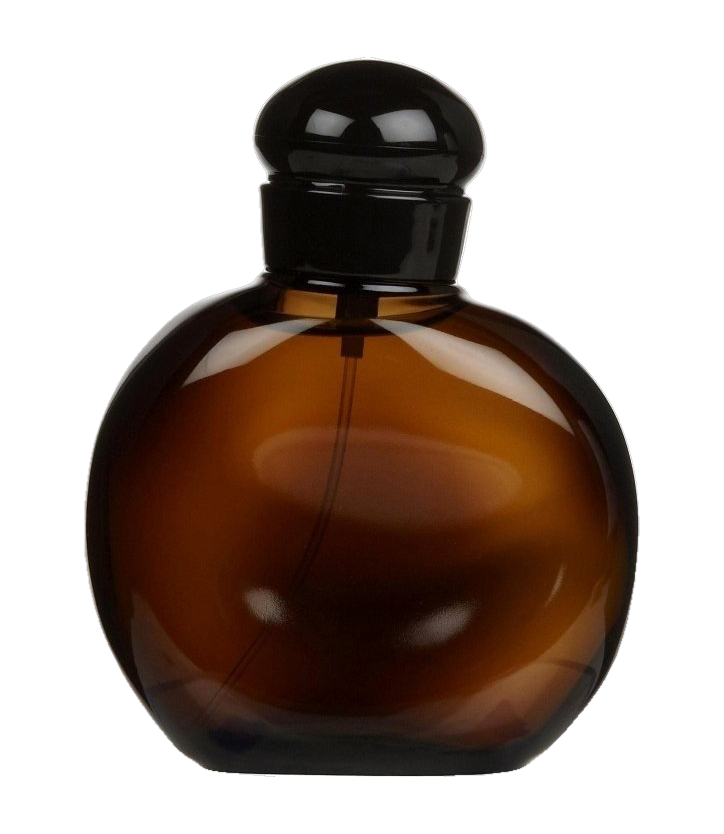
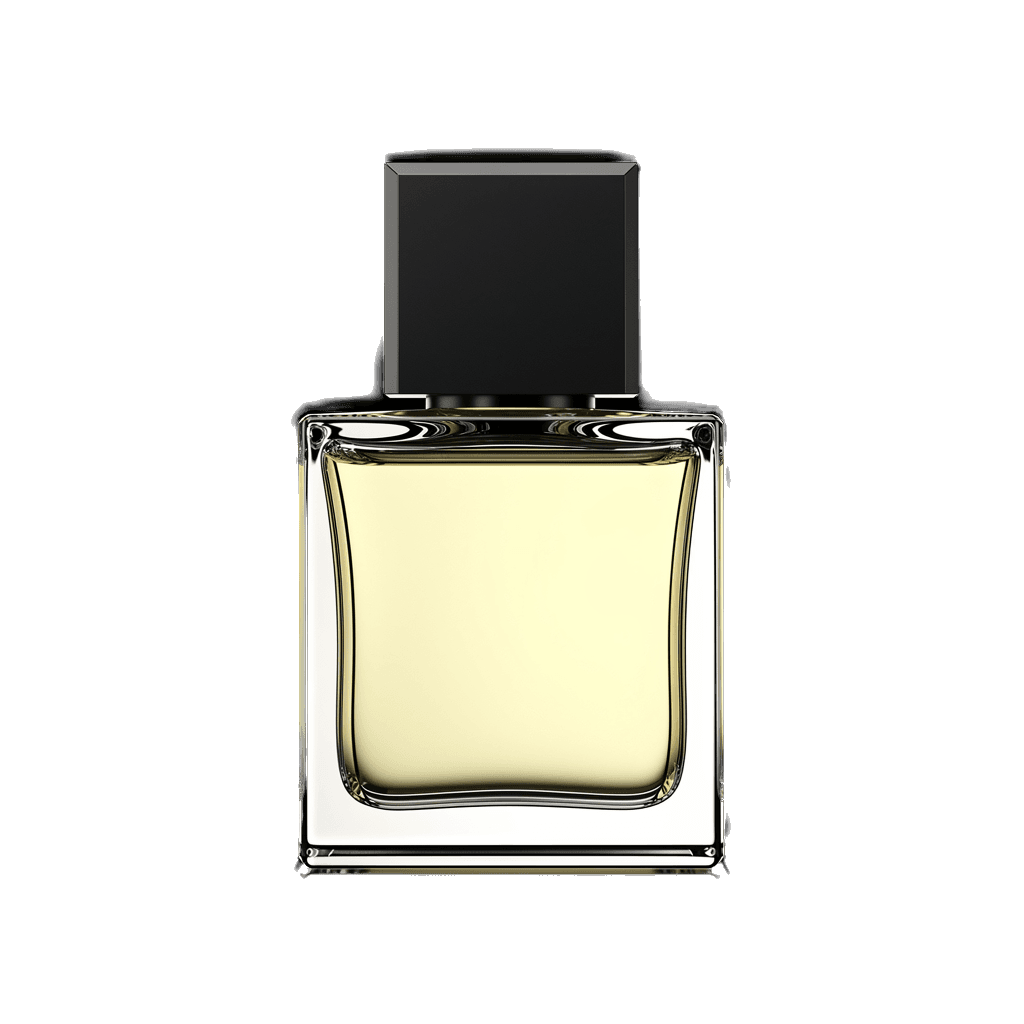
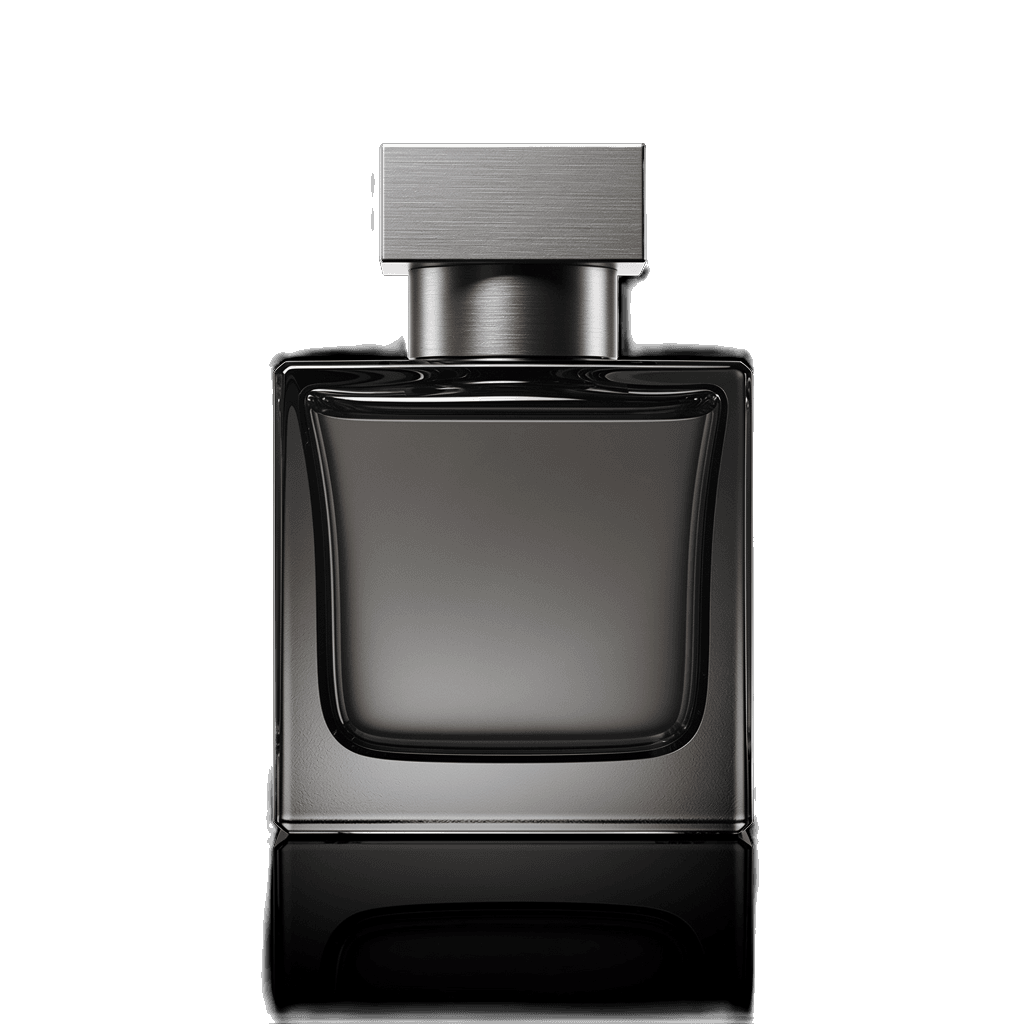
The visual identity of Halston fragrance is inseparable from Elsa Peretti's iconic tear-drop flacon, originally inspired by a bud-vase pendant she found at a flea market. The bottle was revolutionary for its time: a sleek glass teardrop with no visible branding except a narrow ribbon bearing the designer's name. Max Factor executives overseeing production reportedly hated the design and called it "the blob," but Halston fought for it, reportedly contributing $50,000 of his own money to get it produced. The original launch events captured the house's maximalist glamour. Halston hosted one party at his Manhattan apartment and another at San Francisco's I. Magnin, where ground-floor sales counters were removed to install a custom dance floor, draped in pink chiffon and set with hundreds of tables serving five courses and only Dom Perignon 1962. This scale of theatricality was consistent with the designer's public persona and his deep ties to the worlds of art, fashion, and nightlife that defined 1970s culture. The house aesthetic has continued to evolve under various ownership, maintaining its connection to clean, minimal American glamour while adapting to contemporary sensibilities.
Philosophy
Halston's philosophy was rooted in democratic luxury. He believed beautiful clothing and premium design should not be confined to the wealthy, and he actively pursued licensing agreements that brought his aesthetic to a wider audience. His ethos was one of simplicity, elegance, and ease, with an emphasis on quality materials used in unexpected ways. In fragrance, this translated to a signature scent that felt intimate and personal rather than aloof. The original Halston perfume captured a specific emotional territory: restrained desire, the warmth of skin, the cool of cigarette smoke curling through a crowded room. Bernard Chant, the perfumer behind the scent, described it as having an almost physical closeness, something that smelled like the person rather than perfume on the person. This intimacy became the house's olfactory signature across its fragrance line, which continued to emphasize warm, enveloping chypres and woody Orientals rather than bright, shouty florals. The house also stood for bold collaboration. Halston's partnership with Elsa Peretti produced one of the most recognizable bottles in fragrance history, a decision that prioritized artistry over convention. The tear-drop glass flacon, stripped of visual branding beyond a simple ribbon, made the object itself the statement.
Key Milestones
1957
Roy Halston Frowick opens his first hat shop in Des Moines, inspired by early recognition of his millinery talent.
1957
Halston moves to New York and goes to work for several hat designers before becoming head milliner at Bergdorf Goodman.
1966
Halston expands from hats into clothing, introducing the fabrics and silhouettes that would define his aesthetic: jersey, cashmere, and ultrasuede.
1975
The original Halston fragrance launches, created by perfumer Bernard Chant. Elsa Peretti's tear-drop glass bottle debuts alongside it.
1977
Within two years of launch, the Halston fragrance reaches $85 million in sales, becoming the second top-selling perfume in history after Chanel No. 5.
At a Glance
Brand profile snapshot
Origin
United States
Founded
1976
Heritage
50
Years active
Collection
1
Fragrances released
Avg Rating
4.0
Community sentiment