The Heritage
The Story of Liz Claiborne
Liz Claiborne democratized American fashion, proving that style and affordability could coexist. The designer's 1976 fashion house challenged industry norms by dressing working women in practical, colorful separates. A decade later, she became the first female entrepreneur to crack the Fortune 500—a milestone that went beyond business into cultural statement. Her fragrances extended this philosophy: confident, approachable scents that never screamed for attention but always left an impression.
Heritage
Born in Brussels to American parents, Liz Claiborne descended from Louisiana gentry. Her ancestor William C.C. Claiborne served as the state's first governor after the War of 1812. Rather than finishing high school in New Jersey, Claiborne persuaded her father to let her study art in European studios. In 1949, she won the Jacques Heim National Design Contest, which earned her a position as a sketch artist at Tina Leser's Manhattan sportswear company. She spent years working Seventh Avenue before launching her own label. In 1976, Claiborne teamed with husband Art Ortenberg and partners Leonard Boxer and Jerome Chazen to create a fashion house built on a simple premise: practical, colorful separates that working women could mix and match. She priced her collections accessibly, bucking the industry assumption that serious style required serious money. The approach worked. By 1986, Liz Claiborne Inc. made the Fortune 500—the first company founded by a woman to do so. Claiborne became the first female chair and CEO of a Fortune 500 company the same year. That same milestone year brought her first fragrance, extending the brand's accessible-luxury promise beyond clothing. The company continued expanding through acquisitions, adding labels like Candie's, Bora Bora, Curve, Mambo, Lucky Brand, Mexx, and Juicy Couture to its portfolio. Elizabeth Arden secured the fragrance license in 2008; Revlon acquired it in 2016. J.C. Penney purchased the fashion division in 2011. Claiborne retired from day-to-day operations in the late 1990s but remained chairman until 2003. She passed away in 2007, leaving behind a company that dressed America.
Craftsmanship
The fragrance division operated under licensed production, first with Elizabeth Arden from 2008 and then Revlon following its 2016 acquisition of the Arden portfolio. This structure placed Liz Claiborne perfumes within established manufacturing frameworks while maintaining the brand's accessibility focus. The scents themselves reflected the pragmatic elegance of the parent label. Rather than complex, avant-garde compositions designed to impress critics, Liz Claiborne fragrances balanced familiar elements—florals, fruits, musks, and fresh woods—into coherent, pleasant wearing experiences. The formulations prioritized wearability and longevity at moderate concentrations. Vivid exemplified this approach with its floral-fruity structure, while Bora Bora (2002) captured tropical ease in bottle form. Realities offered a more grounded, sophisticated alternative upon its 1990 launch, demonstrating the brand's range. The consistent thread across releases was understanding what loyal customers wanted: reliable quality at accessible price points, never compromising on craftsmanship but never pricing beyond reach.
Design Language
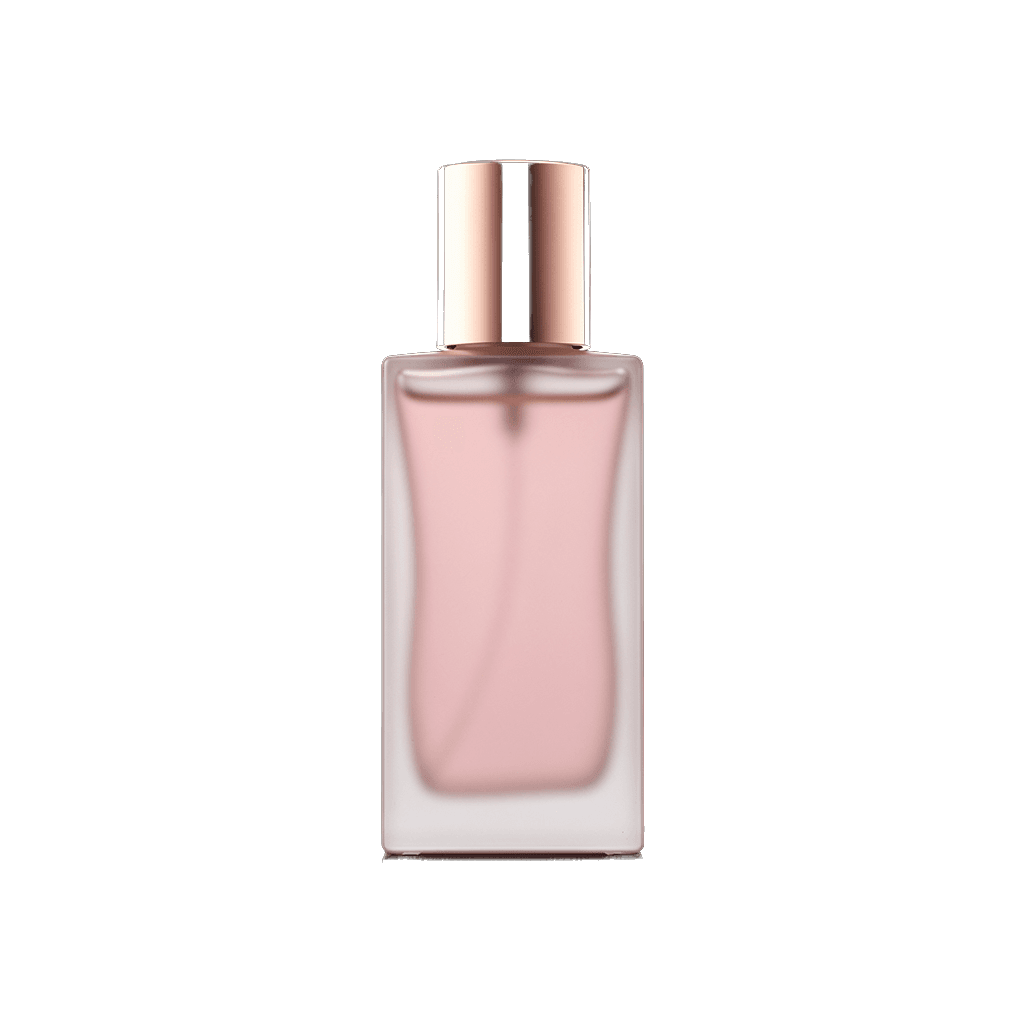
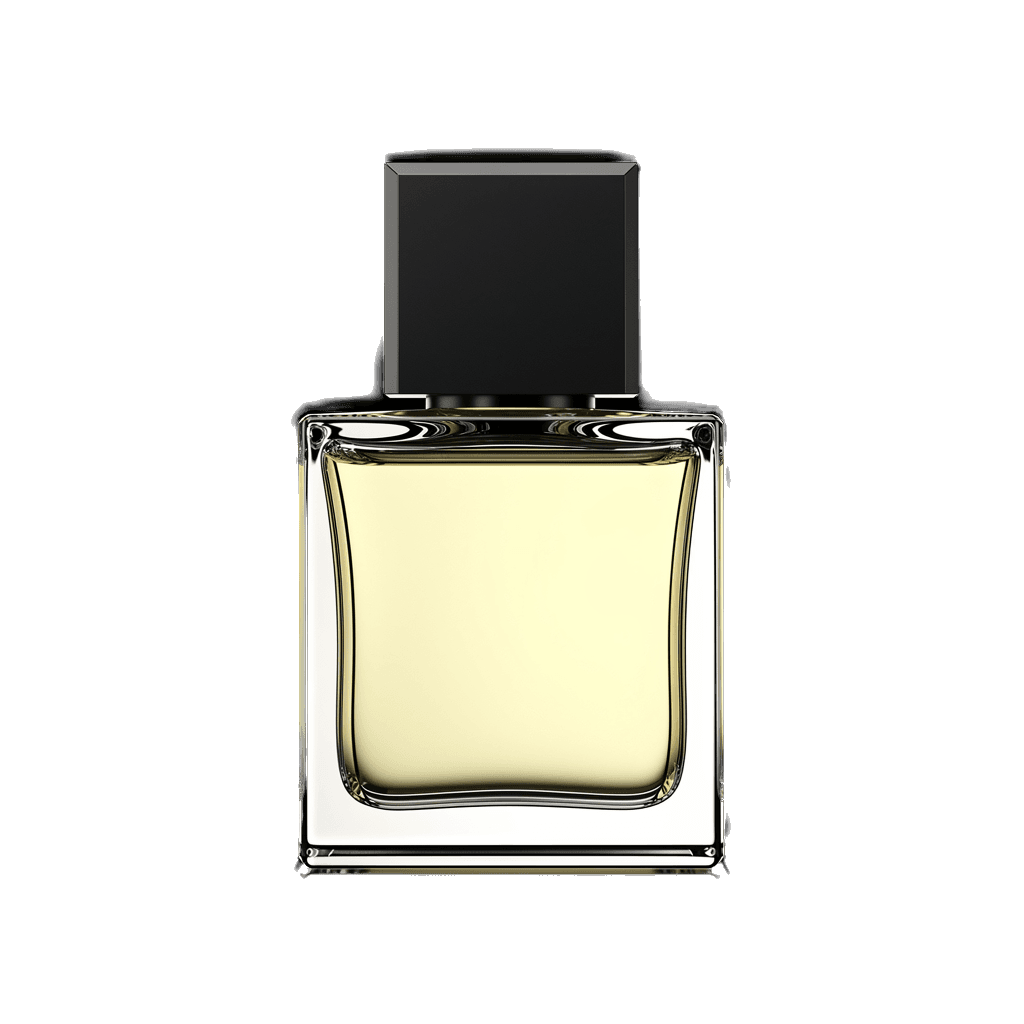
The visual identity of Liz Claiborne fragrances reflected the fashion house's sportswear heritage. Clean lines, confident color use, and restraint defined both packaging and bottle design across the fragrance range. Rather than ornate vessels or elaborate storytelling, the perfumes presented themselves with straightforward clarity. The signature Liz Claiborne bottle from 1986 established a template the brand followed for decades: simple geometric forms, clear glass or plastic, and minimal labeling that let the scent's character speak rather than elaborate packaging. Later releases like Bora Bora embraced color to suggest their tropical inspirations, while Vivid's bottle used shape and hue to signal energy without excess. The consistent aesthetic across releases reinforced the brand message: beautiful things should enhance life without complicating it. This philosophy extended from clothing to fragrance, creating a cohesive world where a woman could dress, accessorize, and scent herself with pieces that worked together harmoniously. The brand aesthetic never chased fashion's fleeting obsessions. Instead, it offered timeless simplicity that served its customer reliably year after year.
Philosophy
Liz Claiborne believed that beautiful clothes should not require women to sacrifice comfort, practicality, or their savings accounts. She built her brand around real women's actual lives, not a fantasy of who they should be. Her signature approach combined rich color, clean tailoring, and versatile separates that moved easily from desk to dinner. The brand championed women entering the workforce during a transformative era, providing professional attire that empowered rather than constrained. Her fragrances carried the same democratic spirit. Where prestige perfume often demanded attention or projected exclusivity, Liz Claiborne scents offered something different: confident, approachable fragrance that enhanced presence without overwhelming a room. The brand understood its customer. She wanted to smell good, express herself, and move through her day without fragrance becoming a statement. This philosophy produced loyal followings for scents like Vivid, which launched in 1993 and remained popular for over a decade. The fragrances succeeded by being consistently wearable rather than chasing trends. Each launch reflected the brand's core belief: women deserved access to thoughtfully designed products that understood their needs.
Key Milestones
1929
Anne Elisabeth Jane Claiborne born in Brussels to American parents
1949
Wins Jacques Heim National Design Contest, begins Manhattan fashion career
1976
Founds Liz Claiborne Inc. with husband Art Ortenberg and partners Leonard Boxer and Jerome Chazen
1986
Becomes first woman-founded company to join Fortune 500; launches debut fragrance Liz Claiborne for Women
2007
Liz Claiborne passes away in New York City
At a Glance
Brand profile snapshot
Origin
United States
Founded
1976
Heritage
50
Years active
Collection
2
Fragrances released
Avg Rating
3.8
Community sentiment