
Character
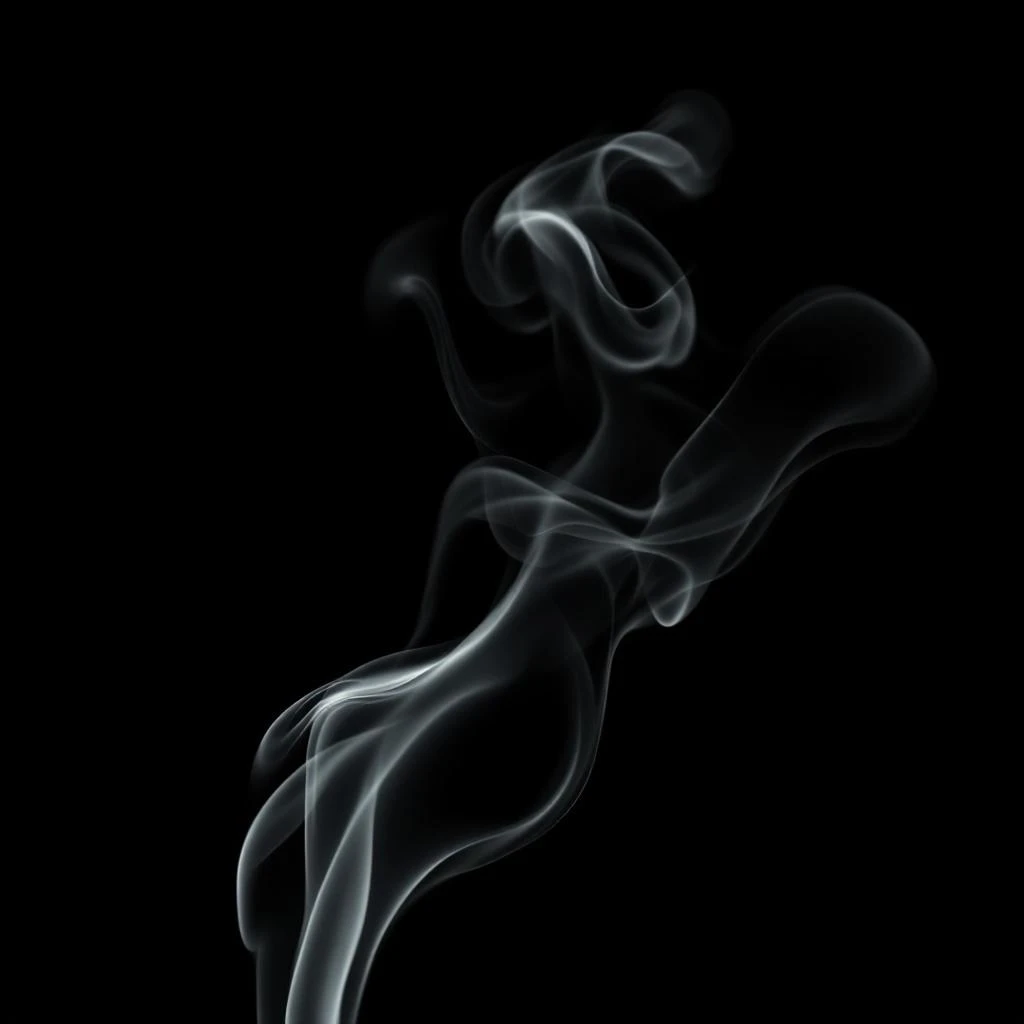
The Story of Agarwood Smoke
Agarwood smoke is a dense, smoky base note derived from the resin-infused heartwood of infected Aquilaria trees. In perfumery, it anchors luxury compositions with a warm, complex character that blends sweet balsamic nuances, dry woody皮, and subtle animalic undertones into a long-lasting drydown.
Heritage
The earliest references to agarwood appear in ancient Indian texts from around 2000 BCE, where it is called gahuru or agahuru in Sanskrit and described as prana, the spirit of life. Hindu sacred texts and Ayurvedic treatises like the Suśrutasamhitā documented its therapeutic applications for inflammation and other ailments. Egyptians used agarwood and frankincense in embalming rituals for nobility, while China's Han Dynasty records from the second century CE describe its use in imperial perfumery and funerary practices. Trade routes including the Silk Road and maritime channels carried agarwood between India, China, Arabia, and Southeast Asia as a commodity valued by weight against gold. In Islamic culture, the Prophet Muhammad is documented to have used oud, elevating it to a beloved tradition in homes and mosques across the Arabian Peninsula. Today, agarwood oil remains central to Ramadan and Eid celebrations, royal gifting, and personal grooming rituals throughout the Middle East. Its transition into Western luxury perfumery represents a cultural bridge spanning millennia.
At a Glance
1
Feature this note
India
Primary source region
Ingredient Details
Steam distillation
Heartwood (resin-infused)
Did You Know
"The fungus-induced resin formation that creates agarwood can take 10 to 15 years or more, making each tree a decades-long gamble for harvesters."