Character
The Story of Amaryllis
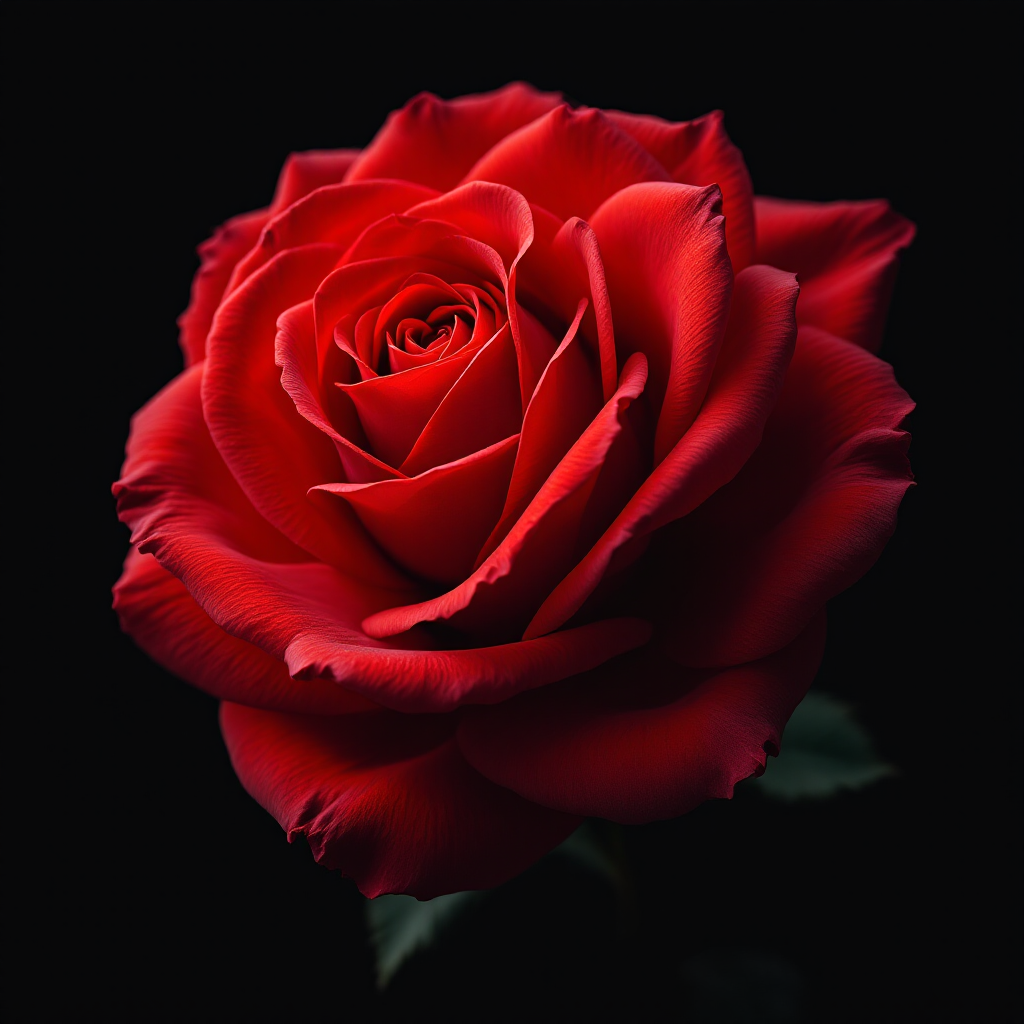
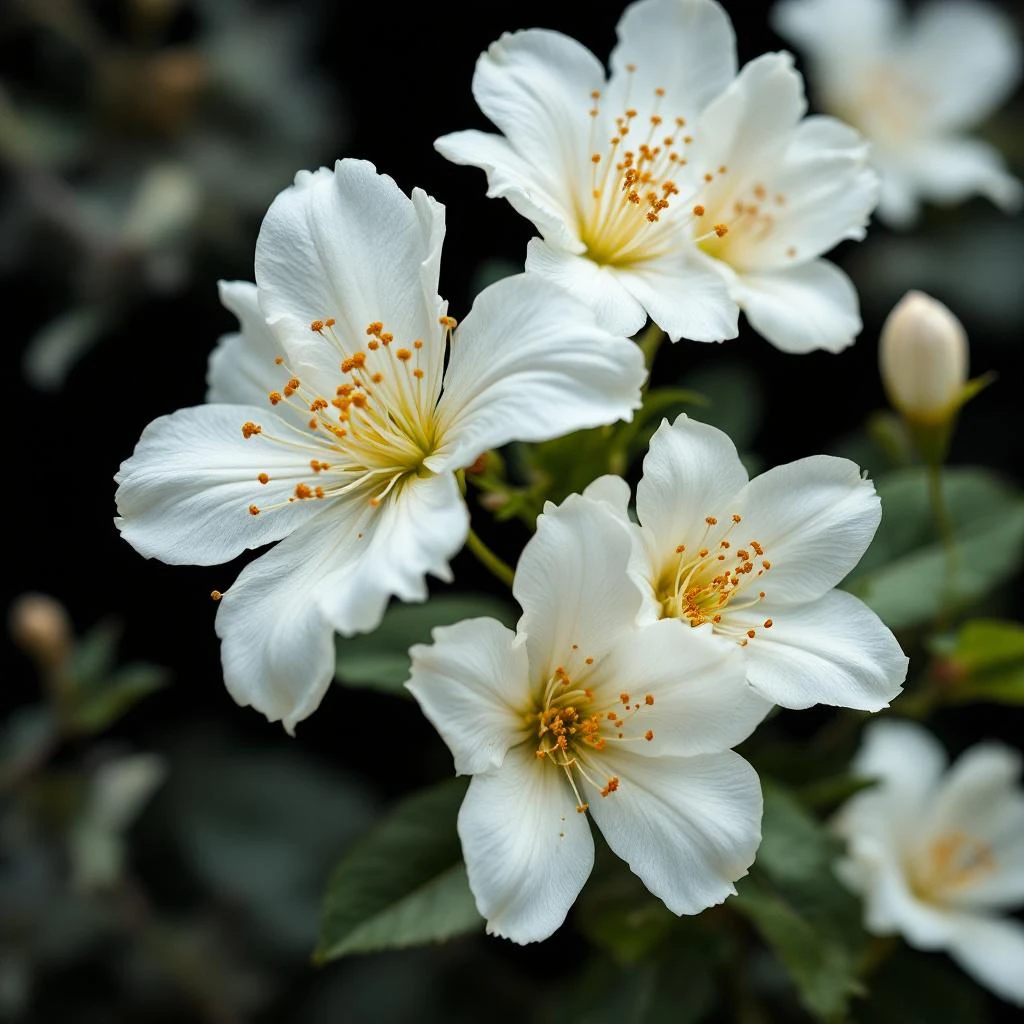
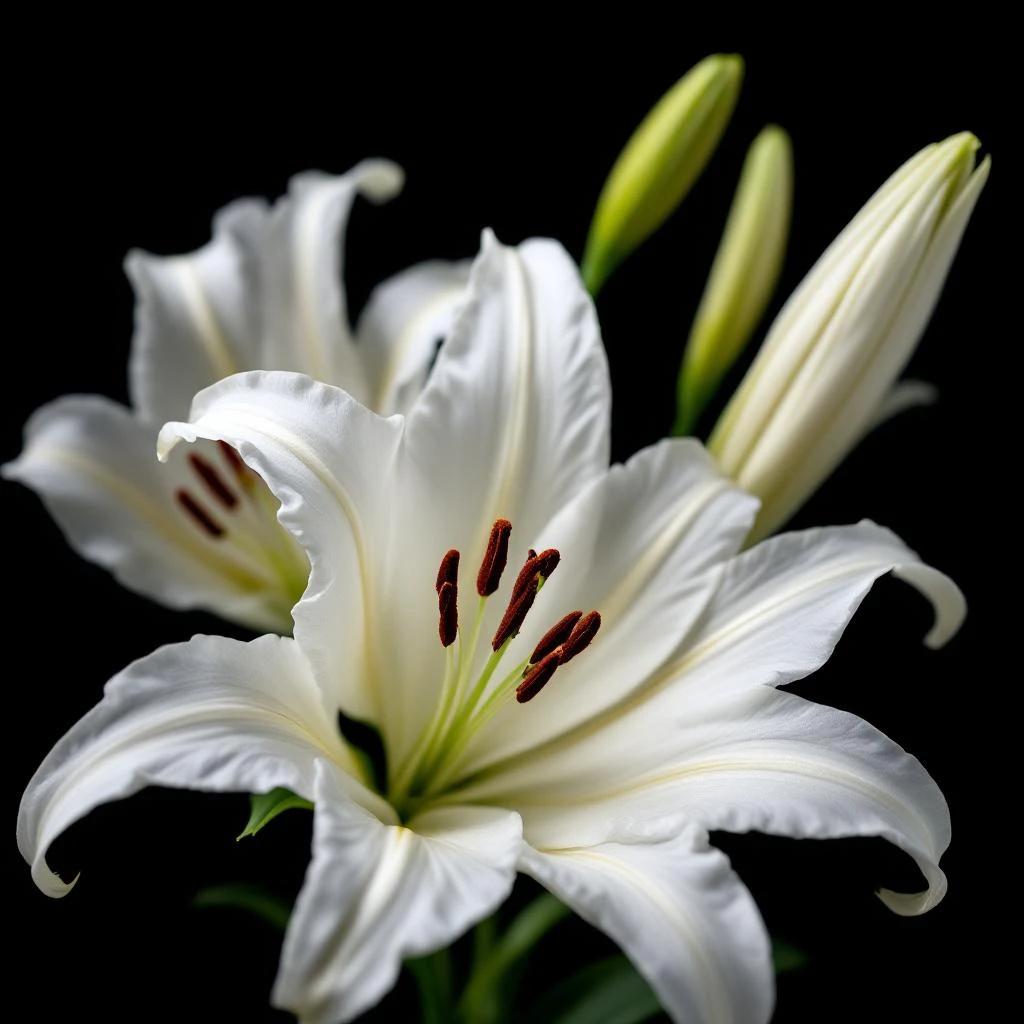
Amaryllis is a floral note prized more for its symbolic elegance than its scent. While most cultivated varieties offer little natural fragrance, the flower's striking trumpet-shaped blooms inspire perfumers to create synthetic reconstructions that capture its imagined essence: soft, slightly sweet, and delicately floral with subtle fruity undertones reminiscent of nectarine or lily.
Heritage
The amaryllis story begins in South Africa's Western Cape, where the true Amaryllis belladonna grows wild among rocky hillsides. European explorers encountered these spectacular pink blooms in the 17th century, and Swedish botanist Carl Linnaeus formally described the genus in the 18th century, naming it after a shepherdess in Virgil's poetry who pierced her heart with a golden arrow to win her beloved's affection.
The name's journey through history carries some botanical confusion. What most people call amaryllis today, the large-flowered hybrids sold as bulbs at Christmas, actually belongs to the genus Hippeastrum, native to South America. True Amaryllis, with its smaller, fragrant pink flowers, remains relatively rare in cultivation. This distinction matters little to perfumers, who draw inspiration from the entire visual and symbolic legacy of the flower.
In fragrance, amaryllis gained recognition through Yves Saint Laurent's Cinéma (2004), where it contributed a soft, luminous floral quality to the heart. The note appears occasionally in niche and luxury compositions, valued for its ability to suggest pristine elegance without the heaviness of traditional white florals. Its association with winter blooming and holiday gift-giving has cemented its place in the cultural imagination as a symbol of determination and radiant beauty achieved through patience.
At a Glance
1
Feature this note
Floral
Olfactive group
Natural
Botanical origin
South Africa
Primary source region
Ingredient Details
Synthetic reconstruction
Flower (conceptual/synthetic only)
Did You Know
"Amaryllis is nicknamed the 'Naked Lady' because its tall, leafless stalk produces spectacular blooms after the foliage has completely died back, appearing to flower from bare earth."