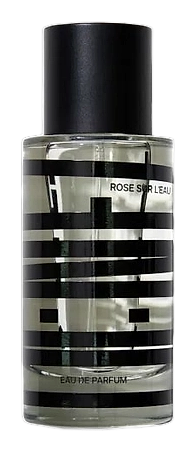
Character
The Story of Angelica Root
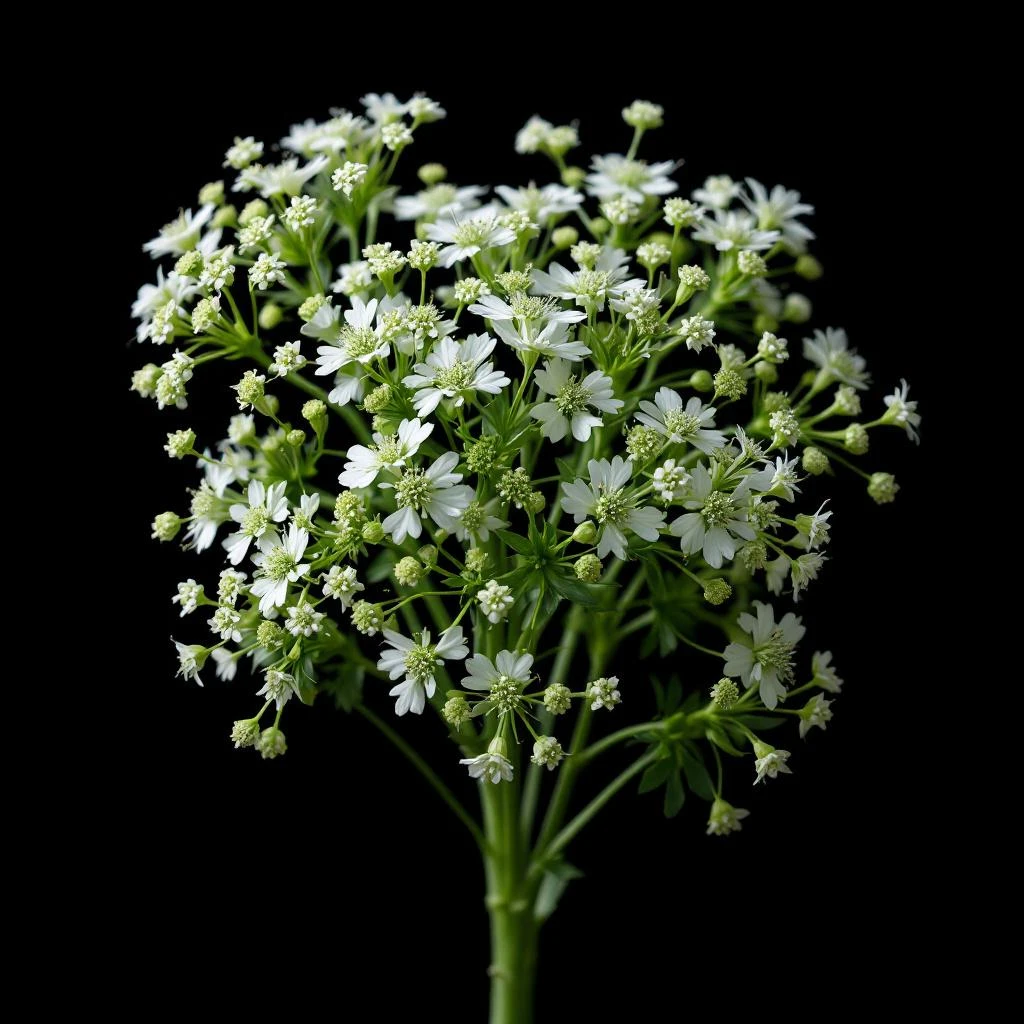
Angelica root delivers a grounded, earthy aroma with warm woody undertones and a whisper of pepper, making it a cornerstone for complex natural blends.
Heritage
Angelica archangelica first appeared in European herbals during the Middle Ages, cultivated in monastic gardens for its reputed protective powers. Early texts describe hanging bundles of the dried root in churches to repel evil, a practice that spread across northern Europe. By the 16th century, alchemists extracted its essence for medicinal tinctures, noting its ability to soothe digestive discomfort. The first recorded use of Angelica root oil in perfume dates to 1705, when French artisans blended it with citrus and amber to create a scent for royal courts. Throughout the 19th century, perfumers prized the oil for its ability to anchor bright top notes, while traditional liqueur makers added it to gin and herbal bitters for a distinctive earthy finish. Today, natural perfumers honor its heritage by pairing it with modern green and spicy accords, keeping the ancient spirit alive in contemporary compositions.
At a Glance
8
Feature this note
France
Primary source region
Ingredient Details
Steam distillation
Dried roots
Did You Know
"Angelica earned the nickname “herb of the angels” in medieval Europe, where it was hung over doorways to ward off malevolent spirits."
Pyramid Presence