Character
The Story of Bitter Orange
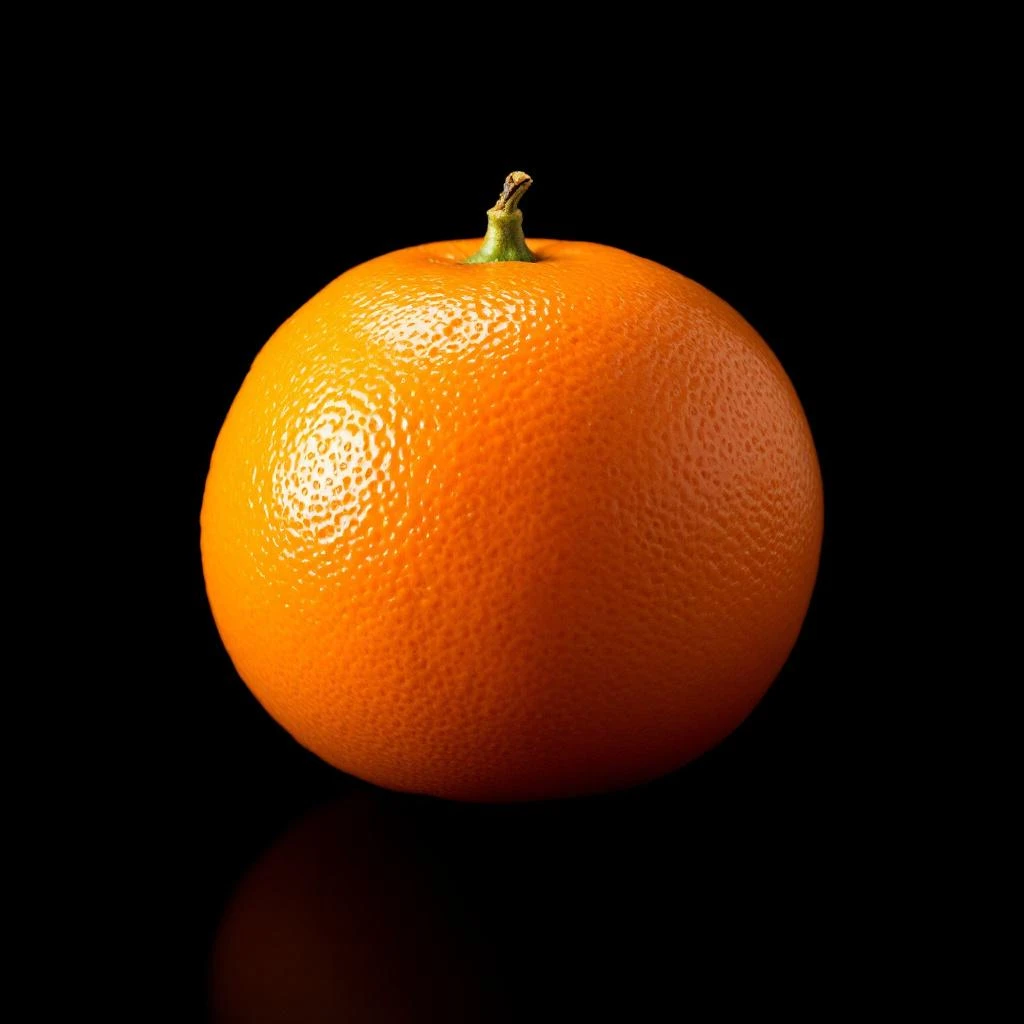
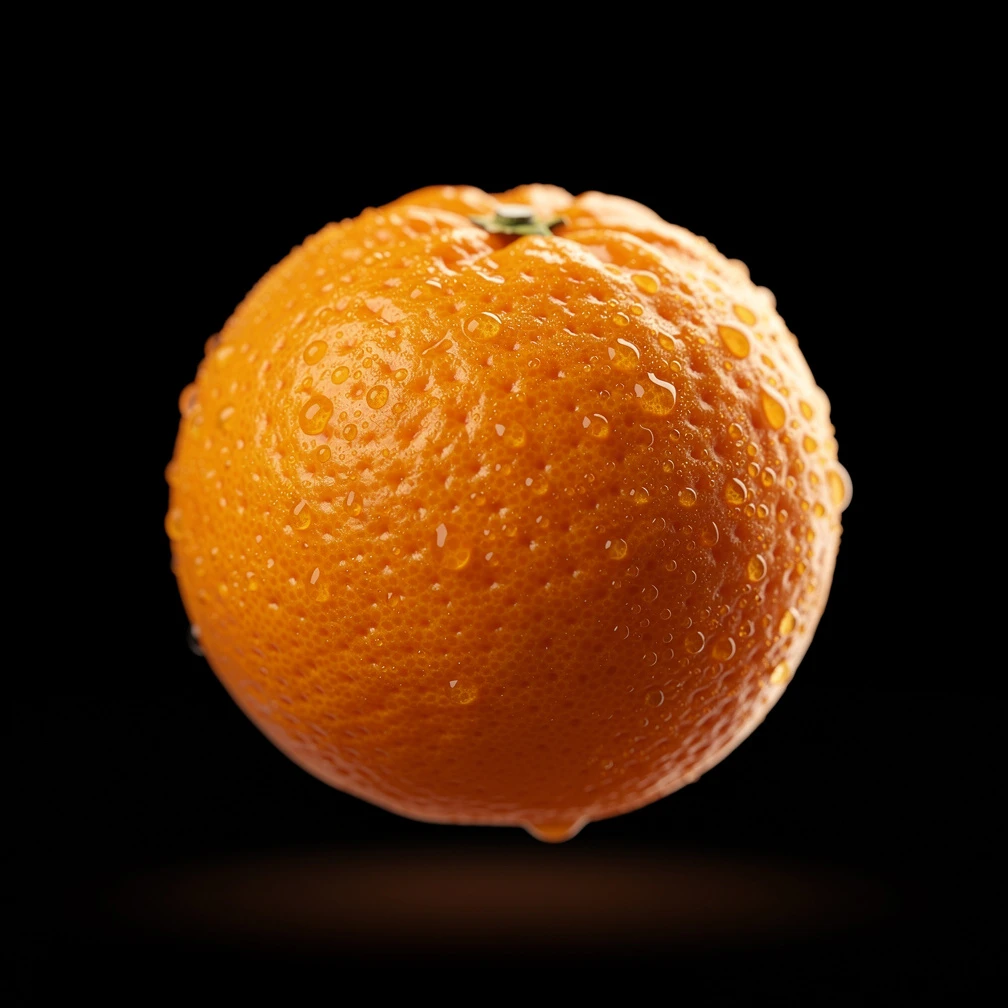
Bitter orange (Citrus aurantium) is perfumery's most generous tree, yielding four distinct ingredients from a single plant: bigarade oil from the peel, neroli from the blossoms, petitgrain from the leaves, and orange blossom absolute via solvent extraction. The peel oil itself delivers a sharp, dry citrus top note with green-floral undertones that distinguish it clearly from sweet orange.
Heritage
The bitter orange tree is believed to have originated in northern India, spreading through China and Persia along ancient trade routes before reaching Europe. It was the first variety of orange introduced to the Western world, arriving centuries before the sweet orange that Portuguese traders would later bring from China. In the 9th century, the Moors carried Citrus aurantium to Seville during their rule over southern Spain. The city's streets remain lined with bitter orange trees to this day, their blossoms perfuming the air each spring.
Seville oranges proved too sour and bitter to eat fresh, but they found two enduring purposes: marmalade production (the fruit's high pectin content makes it ideal) and perfumery. The peel oil became a staple in classical cologne formulations, while the blossoms gave perfumers neroli and orange blossom absolute. In Greek mythology, the orange is thought to be the golden apple of the Garden of the Hesperides. The Spaniards introduced Citrus aurantium to the Americas following Columbus's voyages, and the tree now grows commercially across subtropical regions on four continents. Today, bitter orange remains the fourth most cultivated citrus fruit in the world, and its derivatives appear across virtually every fragrance family.
At a Glance
Citrus
Olfactive group
Natural
Botanical origin
Spain
Primary source region
Ingredient Details
Cold expression
Fruit peel
Did You Know
"The bitter orange tree is the only plant in perfumery that yields four commercially distinct aromatic materials: bigarade oil, neroli, petitgrain, and orange blossom absolute, each with a completely different scent profile."