Character
The Story of Black fig
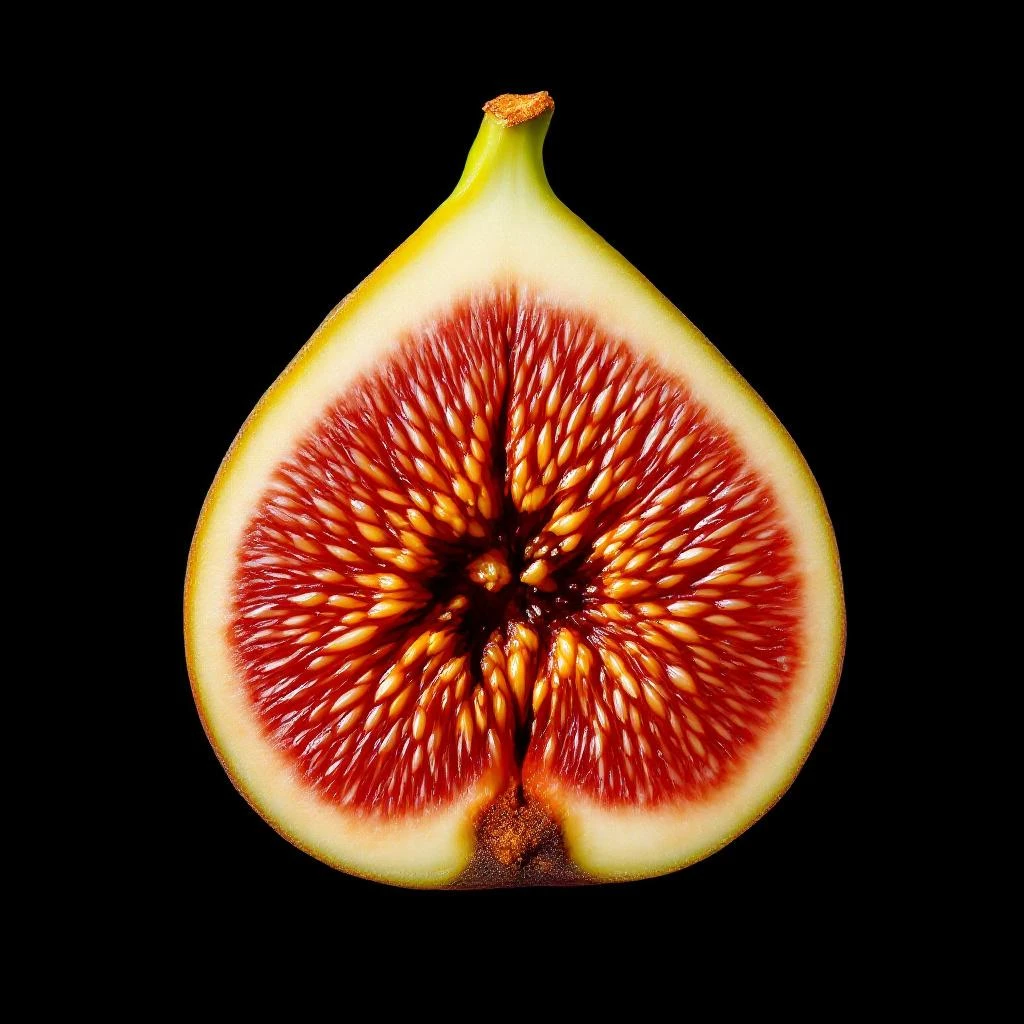
Black fig captures the fruit's deeper, more sensual character: warm lactonic sweetness grounded by woody depth. Where green fig leans into leaves and stems, black fig pulls you into the ripened heart of the tree.
Heritage
The fig tree accompanied ancient Mediterranean traders across the Mare Nostrum long before Columbus crossed the Atlantic. Monks and nobles prized figs throughout the Middle Ages, cultivating them in monastery gardens across Europe. Archaeological evidence places fig cultivation at 9400 BC in the Jordan Valley, predating wheat and barley. In perfumery, the modern fig accord emerged in 1994 when Olivia Giacobetti composed Premier Figuier for L'Artisan Parfumeur. She succeeded where skeptics doubted, creating what remains one of the most influential fragrances in the category. The 1996 release of Philosykos by Diptyque followed, cementing the classic fig accord that countless perfumers have since interpreted and reinterpreted.
At a Glance
1
Feature this note
Mediterranean region
Primary source region
Ingredient Details
Synthetic reconstruction
Synthetic accord (stemone, gamma octalactone, headspace-derived molecules)
Did You Know
"Archaeological evidence places human fig cultivation at 9400 BC in the Jordan Valley, making it one of the first domesticated plants on Earth."