Character
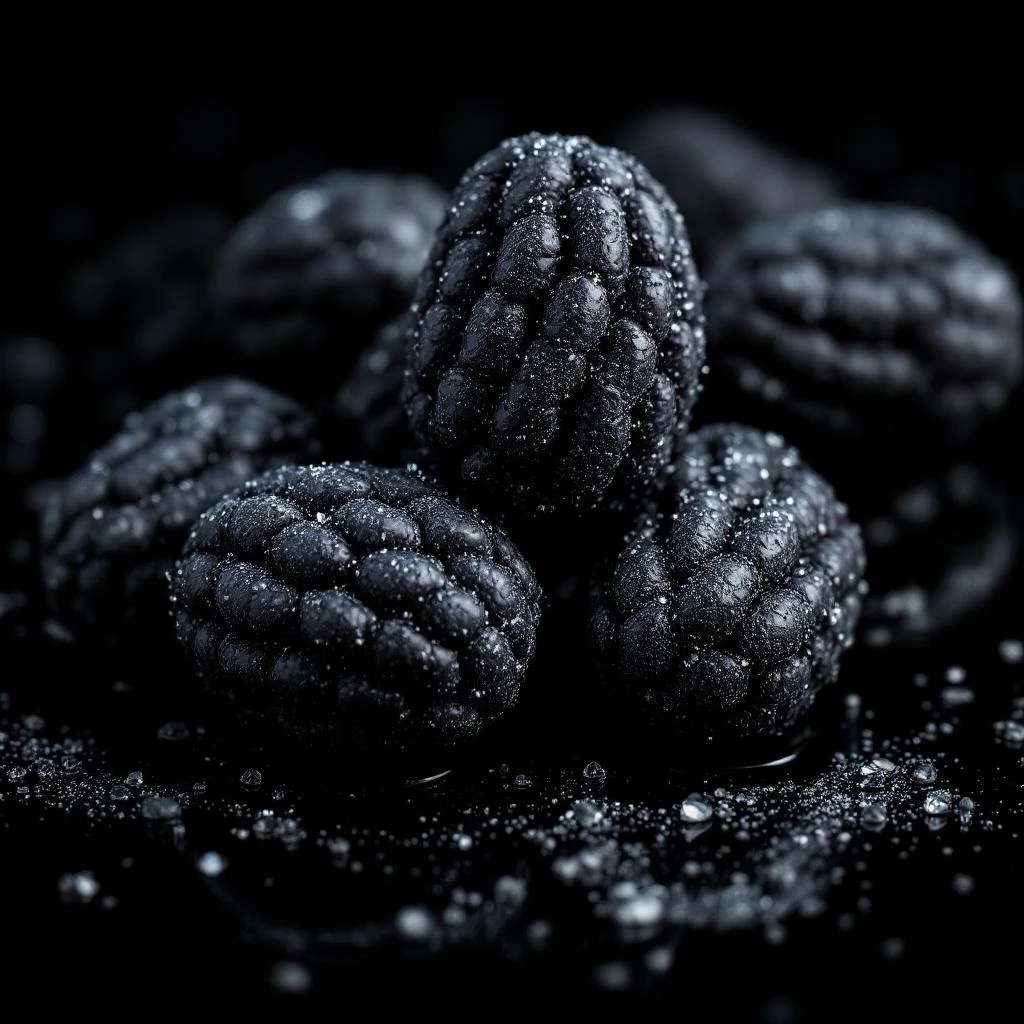
The Story of Black Licorice
An assertive, almost polarizing note that divides wearers into devoted fans and wary skeptics. In perfumery, black licorice delivers sharp anisic brightness, dark caramel depth, and a dry, almost medicinal edge that adds complexity to fougeres, orientals, and men's bases.
Heritage
Licorice root—Glycyrrhiza glabra—appears in Chinese texts from 2300 BC, where it served both culinary and medicinal roles. Egyptian papyri reference it as a remedy for sore throats and coughs. Buddhist priests in ancient China used licorice extract in ceremonial contexts, while Scythian traders carried it along Silk Road routes. By the medieval period, English and Dutch apothecaries sold licorice blocks as lozenges for respiratory relief. The confection we know as black licorice became distinctly English in the 18th and 19th centuries, particularly around Pontefract in Yorkshire, where licorice cultivation became localized. Its journey from medicinal root to candy to perfumery material spans over four thousand years.
At a Glance
5
Feature this note
China
Primary source region
Ingredient Details
Solvent extraction (absolute) / Synthetic (anethole)
Dried root
Did You Know
"The sweet compound anethole, responsible for licorice's signature taste, is also found in anise, fennel, and star anise—making black licorice fragrance a distant cousin of absinthe."
Pyramid Presence