Character
The Story of blood
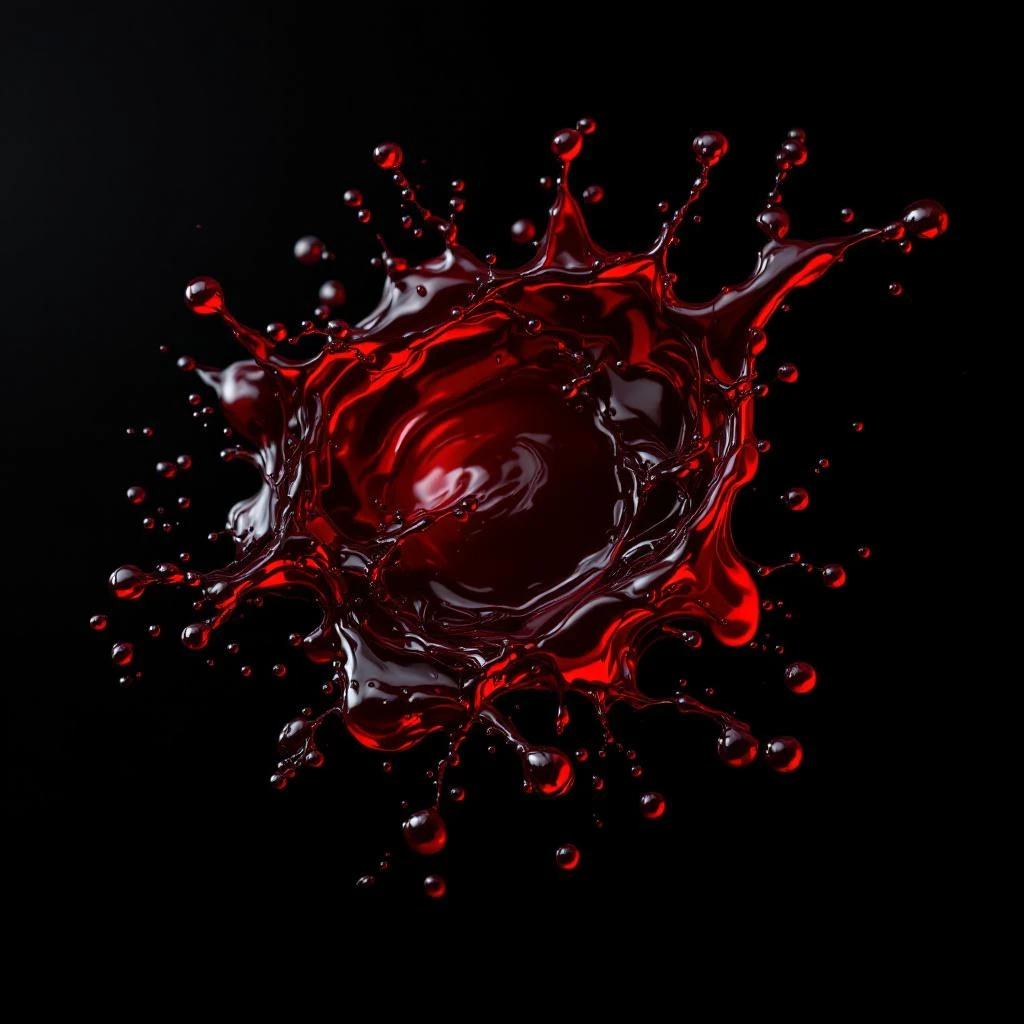
Animalic, metallic, visceral. Blood captures the primal edge of human biology—the iron-and-sweat warmth of skin at its most raw and honest.
Heritage
Blood has held profound symbolic weight across human cultures for millennia, associated with life, death, and the raw forces of existence. Ancient civilizations incorporated animal blood into ritual practices, viewing it as a source of vitality and spiritual connection. In perfumery's early history, blood's essence appeared indirectly through animal-derived materials like castoreum from beavers and the secretions of other creatures. These materials were prized for their animalic warmth and the visceral quality they lent to fragrances. The material remained rare and costly, reserved for compositions that sought primal power. Modern chemistry transformed this landscape. Advances in organic synthesis enabled perfumers to isolate and recreate the specific molecules that produce blood's distinctive character—its metallic edge, its warm undertone, its connection to living skin. Today, perfumers construct blood entirely through synthetic chemistry, achieving an effect that would have seemed impossible to pre-modern noses. This reconstruction allows the note to appear in contemporary fragrances while respecting both ethical considerations and the demands of modern wildlife conservation.
At a Glance
1
Feature this note
France
Primary source region
Ingredient Details
Synthetic reconstruction
Lab-synthesized molecular blends
Did You Know
"No actual blood appears in modern perfumery. Perfumers reconstruct its effect using metallic aldehydes and cumin, achieving the visceral iron-and-warmth note entirely through synthetic chemistry."