Character
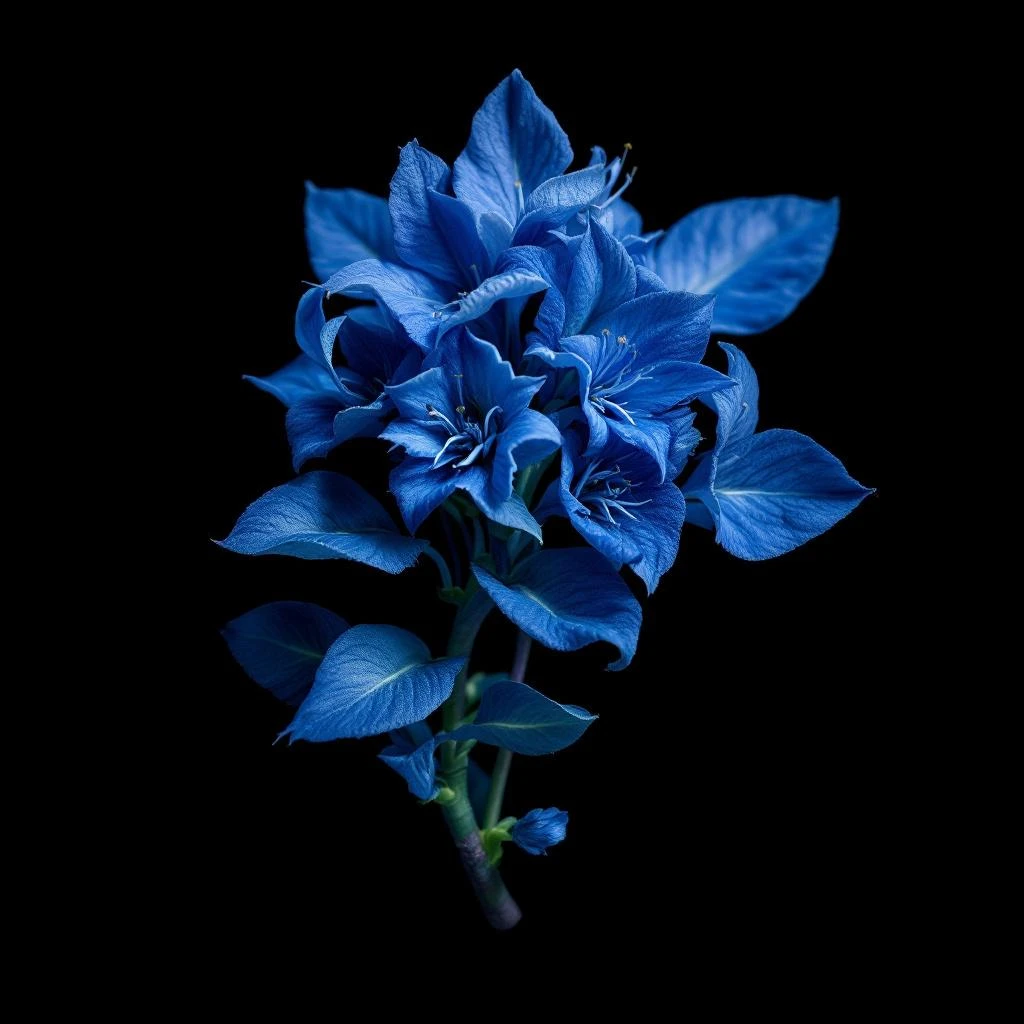
The Story of Blue Ginger
Blue Ginger brings a luminous, spicy-floral warmth to compositions, offering aromatic depth that bridges fresh and warm accord families with remarkable versatility.
Heritage
The use of Blue Ginger traces back centuries across Southeast Asian cultures, where it served culinary, medicinal, and ceremonial purposes throughout Indonesia, Thailand, and surrounding regions. Unlike common ginger, which traveled westward via ancient Silk Road routes, Blue Ginger remained relatively localized to its tropical origins until maritime trade networks expanded. Ancient Malay and Javanese traditions incorporated the rhizome into both food preservation and traditional medicine preparations. The ingredient gradually attracted Western attention during colonial-era botanical surveys of the Indonesian archipelago. Its introduction to European perfumery occurred later than common ginger, gaining prominence as fragrance creators sought novel spicy notes that offered different tonal qualities than traditional ginger. Contemporary interest in Blue Ginger reflects a broader industry movement toward exploring underutilized botanical materials and regional ingredient traditions.
At a Glance
1
Feature this note
Indonesia
Primary source region
Ingredient Details
Steam distillation
Rhizomes (underground root system)
Did You Know
"The plant develops a subtle blue-green tint in its stems, giving it the name that distinguishes it from common ginger."