Character
The Story of Broom
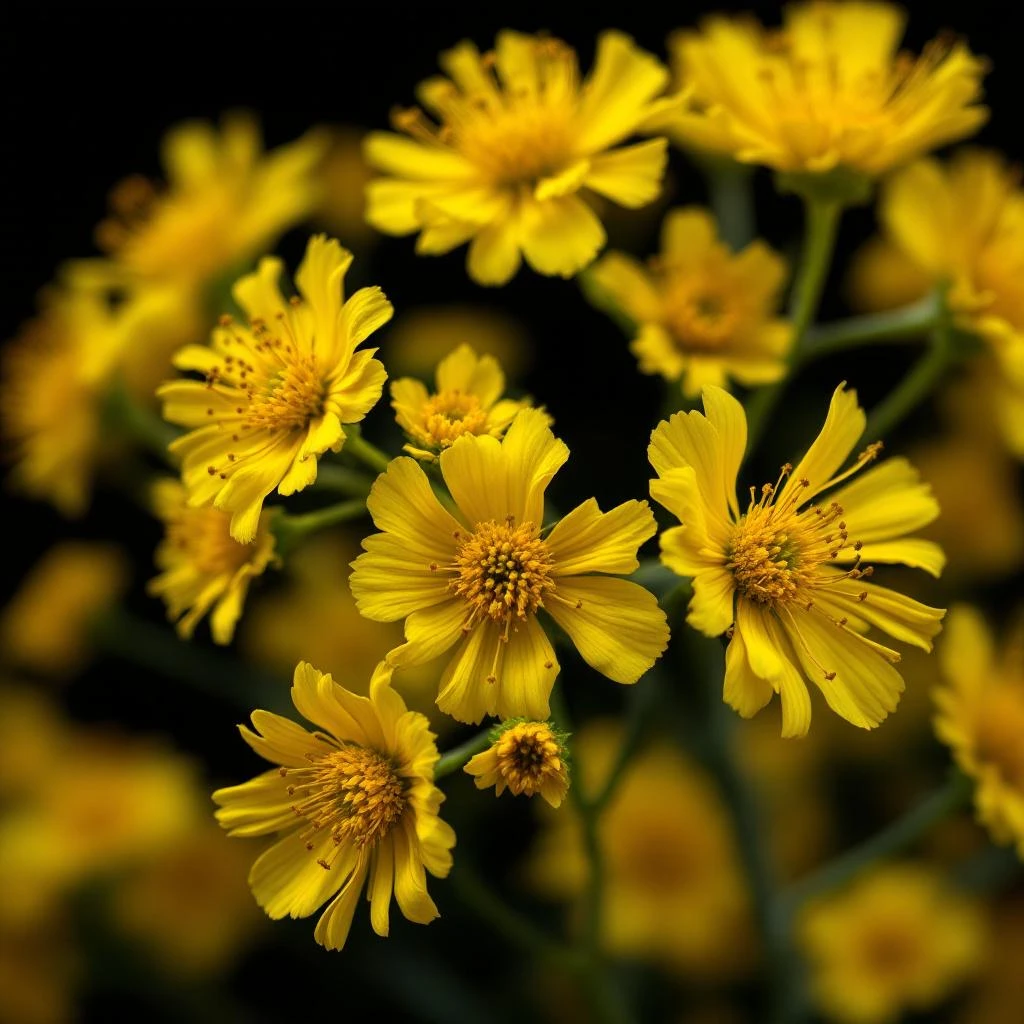
Golden-yellow flowers of the Mediterranean scrubland yield broom absolute, a rare perfumery material prized for its dusty-sweet, honeyed character with neroli-like brightness.
Heritage
Broom carries centuries of Mediterranean heritage into modern perfumery. Ancient Greek and Roman healers documented its medicinal uses, particularly for kidney and urinary conditions, establishing the plant as both aromatic and practical. The genus name Genista reflects this deep-rooted presence in classical culture. Perhaps the most compelling chapter involves the Plantagenet dynasty, whose legendary founder, Count Geoffrey V of Anjou, supposedly encountered a unicorn wearing a golden mantle in a field of broom near Le Mans in 1128. Overwhelmed by this vision, he adopted the flower as his emblem, eventually giving his dynasty its name. This royal association transformed a humble scrubland plant into a symbol of power and heritage. Today, broom absolute represents one of perfumery's most treasured and elusive materials, connecting contemporary creations to centuries of botanical and cultural history.
At a Glance
1
Feature this note
France
Primary source region
Ingredient Details
Solvent extraction
Fresh flower petals
Did You Know
"King Geoffrey V adopted the broom as his royal emblem after spotting a unicorn in a sea of golden flowers, birthing the legendary Plantagenet dynasty name in 1128."