Character
The Story of Brown oakmoss
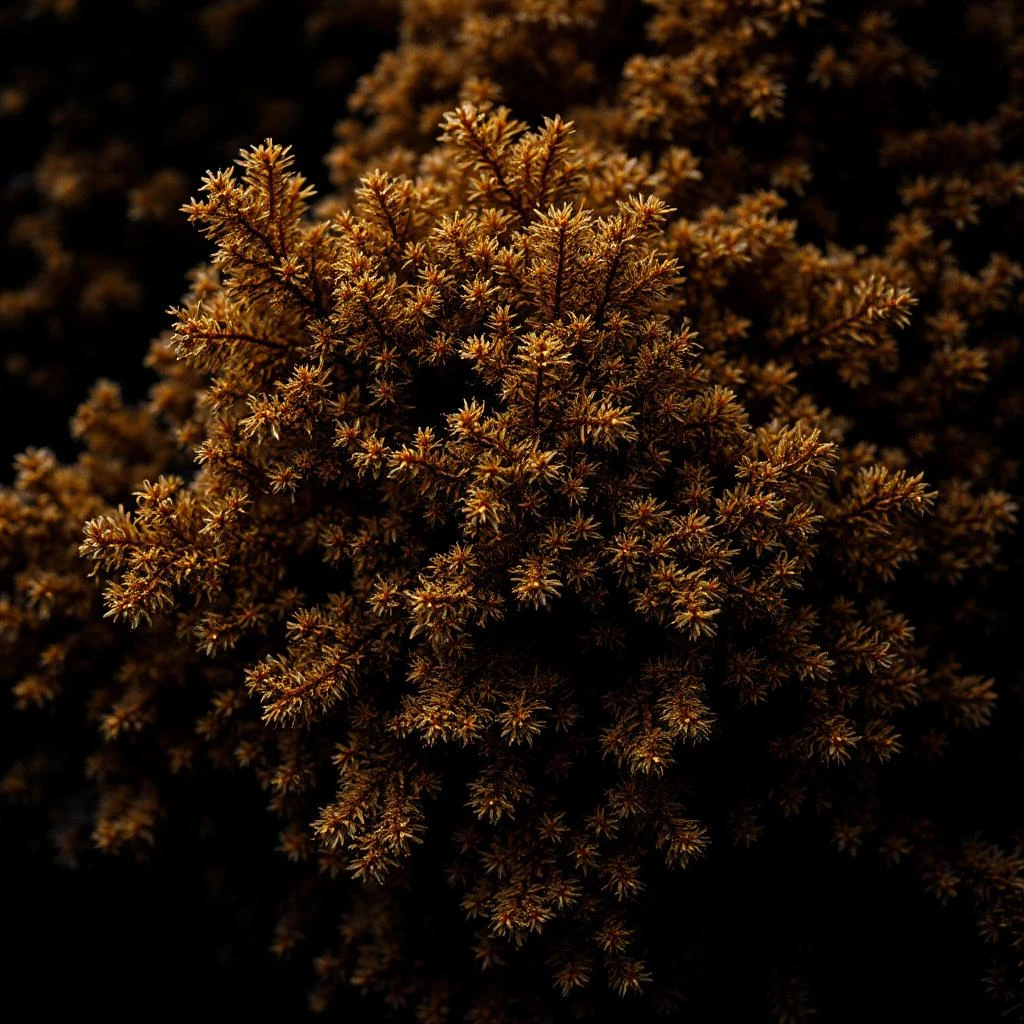
Brown oakmoss, harvested from the lichen Evernia prunastri clinging to oak bark, imparts a damp, forest‑floor scent rich in mossy, woody and mineral tones. Its dark, earthy profile anchors chypre and fougère compositions, offering lasting depth and natural authenticity.
Heritage
Oakmoss entered Western perfumery in the late 1800s as chemists explored new natural extracts for complex bases. In 1917 Coty introduced Chypre, a landmark fragrance that placed oakmoss at the heart of a new olfactory family. The note quickly migrated to fougère blends, where it balanced aromatic herbs with a grounding earth tone. Throughout the 20th century, oakmoss defined the structure of countless classic scents, earning a reputation as the backbone of sophisticated compositions. Regulatory scrutiny rose in the early 2000s when studies linked atranol and chloroatranol to skin sensitization. The EU imposed limits in 2021, prompting perfumers to refine extraction methods or substitute low‑allergen variants. Despite restrictions, oakmoss remains a cornerstone of heritage fragrances, symbolizing the bridge between natural forest aromas and refined modern design.
At a Glance
2
Feature this note
France
Primary source region
Ingredient Details
Solvent extraction
Dried lichen thalli
Did You Know
"Despite its heavy, earthy scent, oakmoss contains a compound called atranol that was once used as a natural preservative in cosmetics before regulations limited its use."