Character
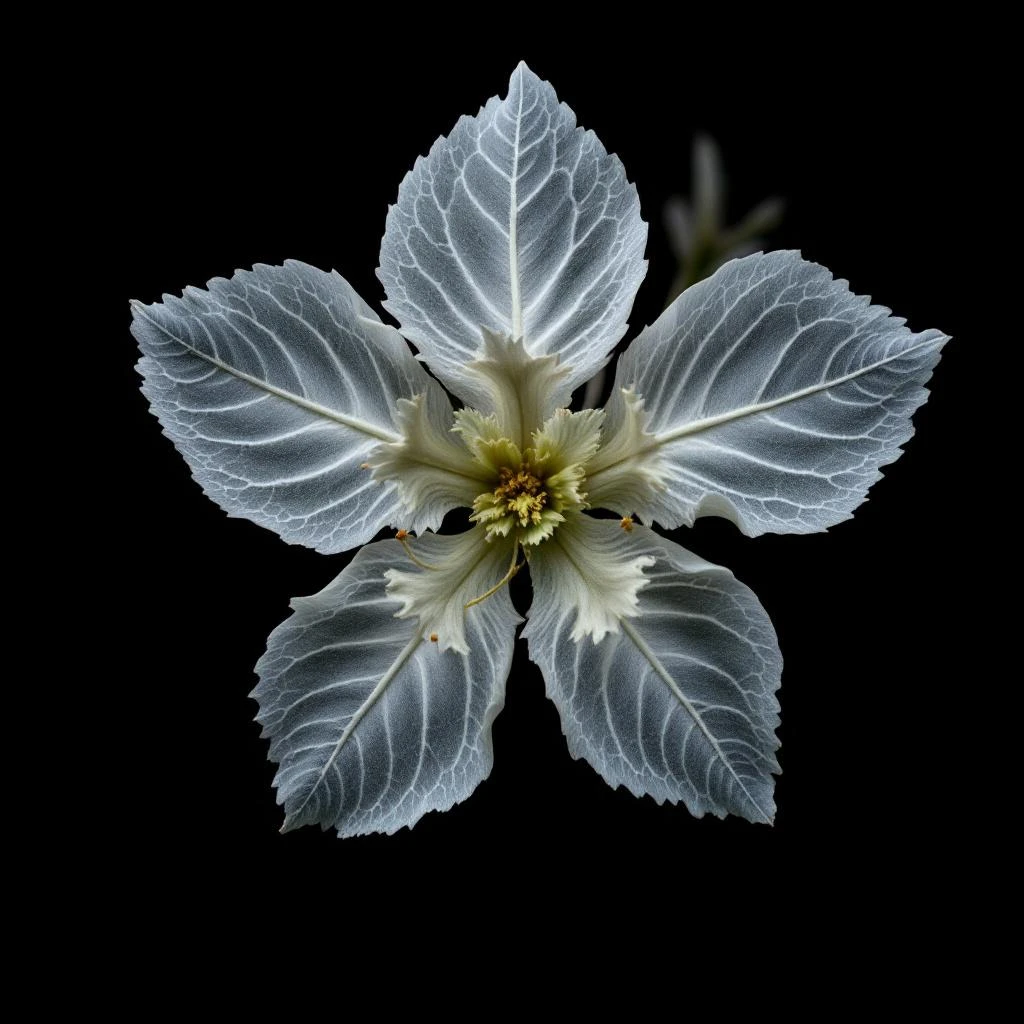
The Story of Buchu or Agathosma
From South Africa's remote Western Cape mountains, buchu delivers a striking aroma: green, minty, and unmistakably blackcurrant. Its polarizing, sulfurous edge makes it rare in perfumery, but those who understand it unlock something distinctive.
Heritage
The Khoekhoe people of South Africa used buchu as a traditional herbal remedy for centuries before European contact. Around 400 years ago, women from indigenous communities discovered that coating their bodies with crushed buchu leaves produced a sweet, invigorating fragrance. The plant entered Western European apothecaries and pharmacopeias in the late 1600s, rapidly gaining recognition as a therapeutic agent. By the 1860s and 1870s, bottled buchu tea and infusions were widely available in English-speaking countries, though demand eventually declined. Buchu remains one of perfumery's most geographically restricted ingredients, found nowhere naturally outside South Africa's Western Cape mountains. The genus name Agathosma translates from Greek as "good fragrance," honoring this plant's aromatic distinction. While still uncommon in mainstream perfumery, buchu has begun appearing in luxury fragrances as perfumers seek distinctive green and fruity accords that set compositions apart.
At a Glance
1
Feature this note
South Africa
Primary source region
Ingredient Details
Steam distillation
Dried leaves
Did You Know
"The genus name Agathosma means "good fragrance" in Greek."