Character
The Story of Buddha Wood
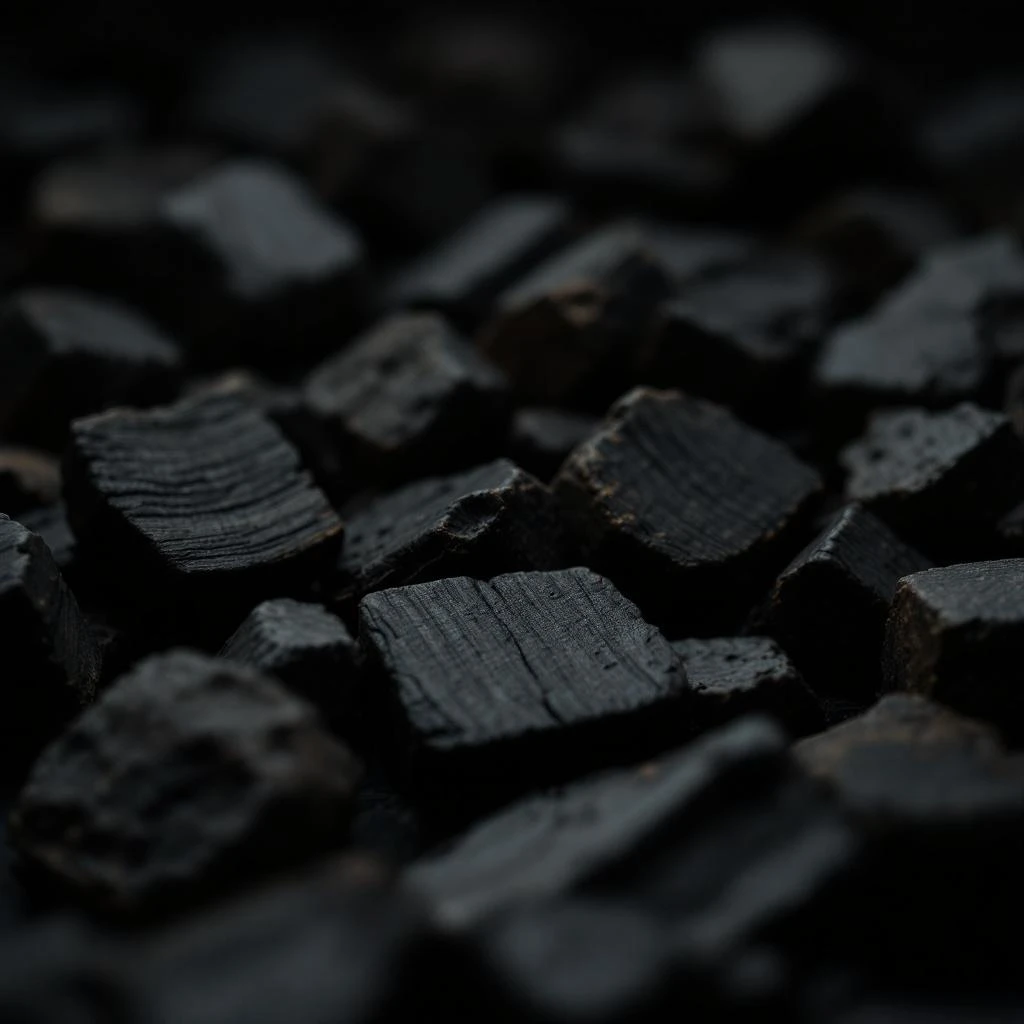
Native to Australia’s red‑centered deserts, Buddha Wood delivers a smoky, dry, rubber‑tinged aroma that anchors modern blends with a grounded, resinous depth.
Heritage
The use of Buddha Wood predates modern perfumery, with Aboriginal peoples extracting the resinous heartwood for ceremonial smoke and medicinal balms. Early European settlers noted the distinctive scent and began experimenting with the material in the 1920s. Australian chemist J. H. Miller published the first analysis of its essential oil in 1925, identifying eremophilone as the dominant component. Throughout the mid-20th century the oil served as a cost‑effective substitute for sandalwood, especially during periods when Indian sandalwood supplies were restricted. By the 1990s niche fragrance houses embraced Buddha Wood for its dry, smoky character, positioning it as a hallmark of Australian terroir. Today the ingredient appears in both luxury and artisanal blends, celebrated for its ability to add depth without the creamy sweetness of traditional woods.
At a Glance
1
Feature this note
Australia
Primary source region
Ingredient Details
Steam distillation
Dried heartwood
Did You Know
"Buddha Wood was first chemically described in 1925 by Australian chemists, who noted its high eremophilone content, making it a natural alternative to sandalwood in early perfumery experiments."