Character
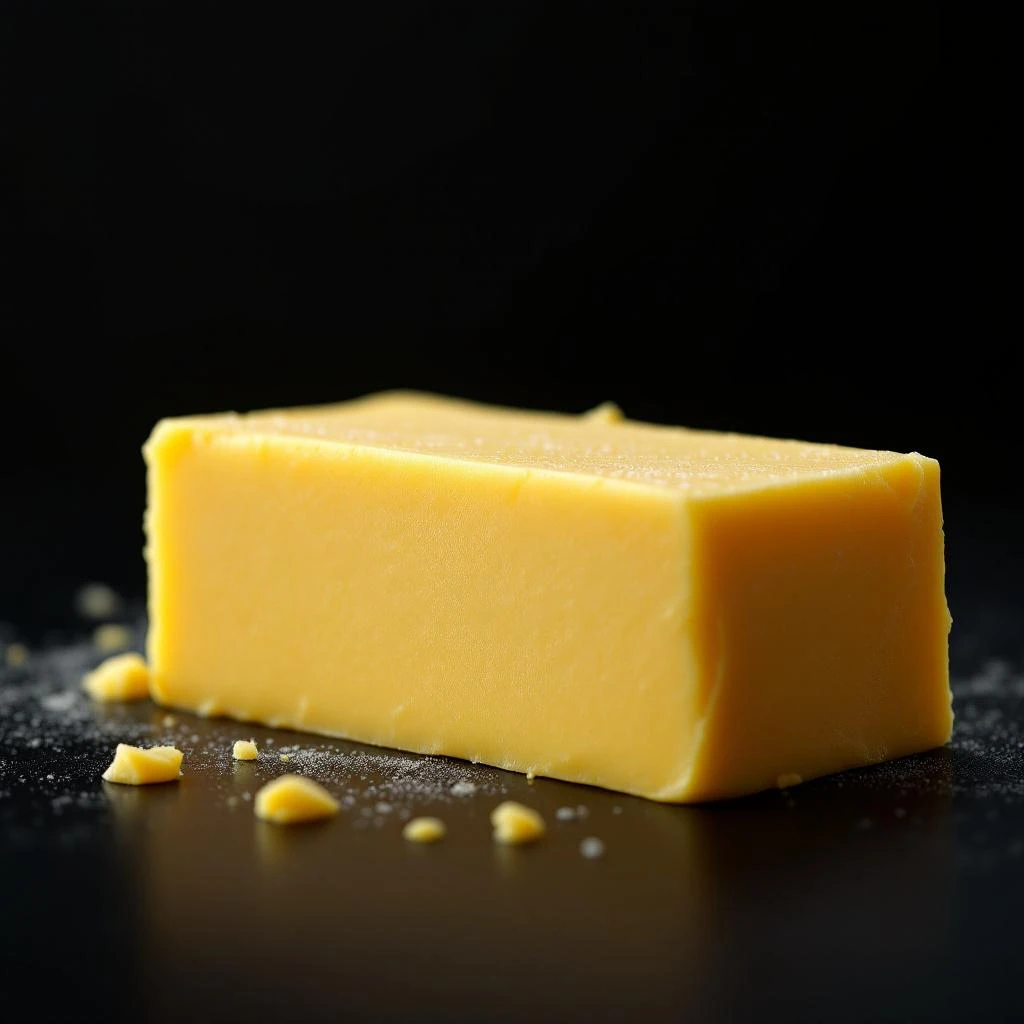
The Story of Butter
Butter notes in perfumery evoke warmth, creaminess, and indulgence. From rich cocoa butter absolutes to synthetic accords replicating fresh dairy sweetness, these ingredients add smooth, comforting depth to fragrance compositions.
Heritage
The use of butter and fatty materials in fragrance traces to ancient perfumery practices where perfumers sought fixatives to slow evaporation of volatile top notes. Egyptian and Mesopotamian unguent makers combined fragrant oils with animal fats as binding media for their incense preparations.
The distinction between culinary fats and perfumery materials sharpened considerably during the 18th and 19th centuries when Grasse-based perfumers developed systematic extraction methods. French perfumers, originally leatherworkers seeking to mask tannery odors, began experimenting with various fatty media for macerating fragrant botanicals.
Cocoa reached European perfumery alongside chocolate culture during the colonial period. While primarily valued as a food ingredient, perfumers noted its subtle, warm aroma when properly handled. Shea butter arrived in European markets through West African trade networks, initially valued by cosmetic formulators before entering fragrance applications.
The 20th century brought significant change when aroma chemistry identified specific compounds responsible for buttery odors. Diacetyl, first synthesized in 1916, provided a route to consistent dairy notes. Later lactone discoveries expanded the perfumer's palette for creating buttery effects without relying on natural butters.
At a Glance
2
Feature this note
Ghana
Primary source region
Ingredient Details
Solvent extraction / Synthetic aroma chemistry
Seed kernels (cocoa beans, shea nuts)
Did You Know
"The cocoa tree produces distinctive pods containing 20 to 50 beans each. After fat extraction, the remaining paste becomes cocoa powder, while the butter fraction enters perfumery as an absolute."