


Character
The Story of Cacao Pod
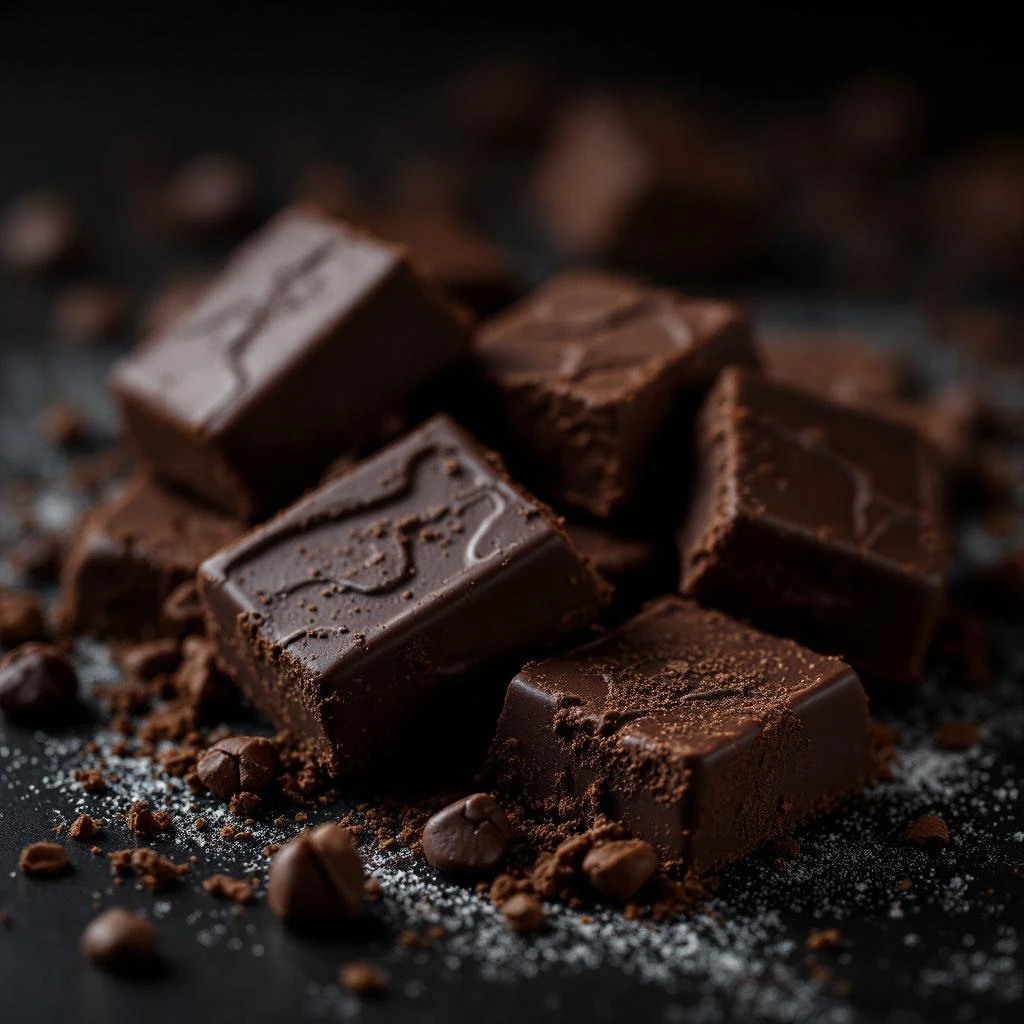
Beyond the familiar warmth of chocolate lies the cacao pod itself: a textured, leathery husk encasing a sweet white pulp and bitter beans that have anchored civilizations, currencies, and couture fragrances for centuries.
Heritage
Cacao cultivation began in Mesoamerica with the Olmec civilization around 1500 BCE, long before the Aztecs elevated it to sacred status. The Aztecs reserved chocolate beverages for nobility and warriors, brewing a bitter, often spiced preparation called xocolatl, a term that persists in the word chocolate today. The cacao tree carries the botanical name Theobroma cacao, translating to "food of the gods" in Latin, reflecting its spiritual importance. When Spanish conquistadors encountered cacao in the sixteenth century, they exported it to Europe, where sweetened versions eventually made it a luxury commodity. French perfumers began experimenting with cocoa absolute in the nineteenth century, discovering its warm, complex qualities translated beautifully from confectionery to fragrance, particularly in oriental and gourmand compositions where it functions as a base note with surprising versatility beyond its culinary associations.
At a Glance
5
Feature this note
Mexico
Primary source region
Ingredient Details
Solvent extraction / CO2 extraction
Pod husks and pulp (CO2); Roasted or unroasted beans (solvent extraction for absolute)
Did You Know
"The Aztecs used cacao beans as currency, and the tree bears the botanical name Theobroma cacao, meaning "food of the gods.""
Pyramid Presence