Character
The Story of Cade oil
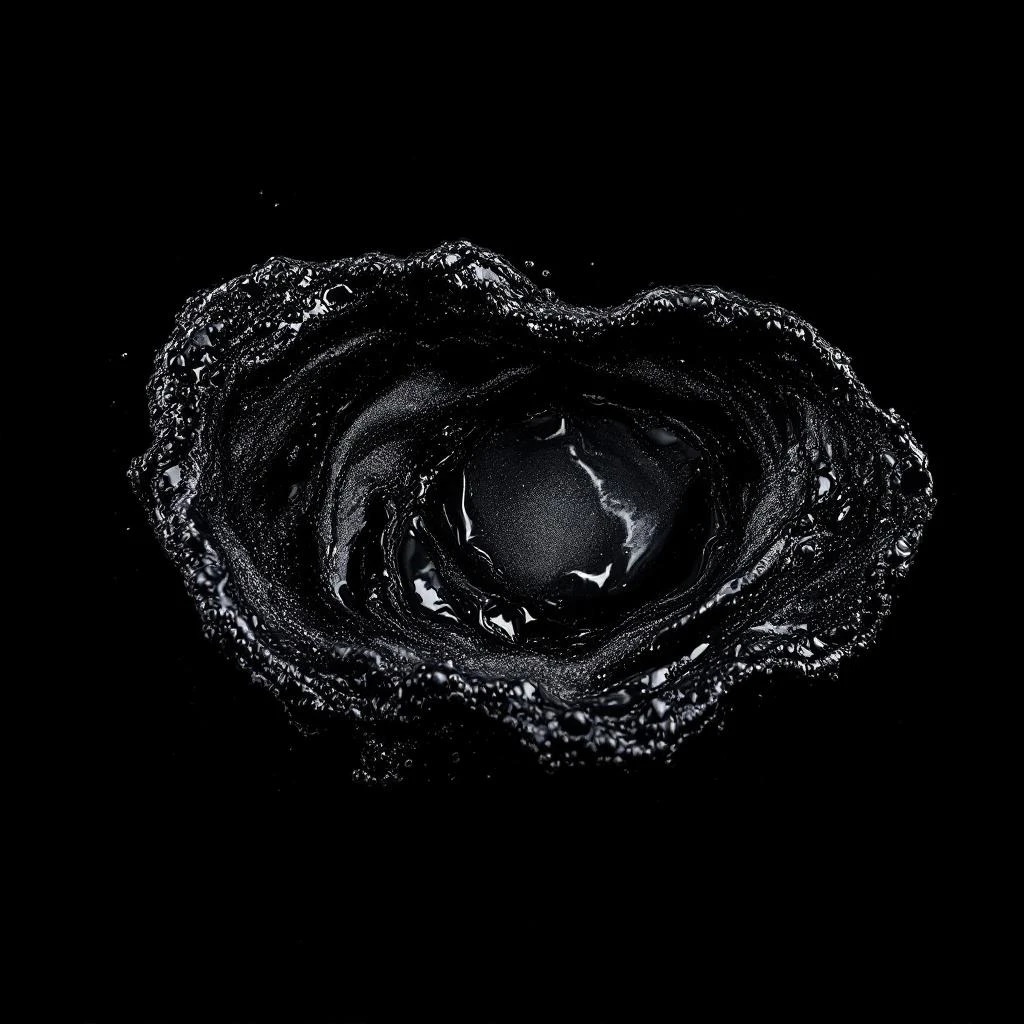
Cade oil delivers a visceral, campfire aftermath character to perfumery—smoke, charred wood, leather, and mineral darkness drawn from the prickly juniper of the Mediterranean coast.
Heritage
Cade (Juniperus oxycedrus) has roots along the entire Mediterranean basin—France, Spain, Morocco, and Algeria—where it served communities for centuries before entering perfumery.
Long before perfumers noticed it, traditional medicine employed cade for its antiseptic and keratolytic properties, treating skin conditions from eczema to psoriasis. Rural cultures used it as a fumigant: burning the tar to purify homes, protect against disease, or drive out malevolent spirits. This ritualistic dimension gave cade a symbolic weight beyond its practical applications.
The transition occurred gradually during the late 19th and early 20th centuries, as perfumers began appreciating its visceral smoky-leathery character for smoky, leather, and woody compositions. The Codex eventually documented this versatile ingredient, listing it across pharmaceutical, phytosanitary, veterinary, and perfumery applications.
Today, cade remains one of perfumery's more demanding materials. It does not flatter easily. When mishandled, it shows its teeth. But when handled with precision, patience, and restraint, it brings a primal depth that few ingredients can replicate—the olfactory memory of fire after the flame has gone out.
At a Glance
1
Feature this note
Spain
Primary source region
Ingredient Details
Fractional distillation under reduced pressure
Wood and twigs
Did You Know
"Before perfumery, Mediterranean communities burned cade as a fumigant to purify homes and ward against illness—a ritual use that predates its aromatic applications by centuries."