
Character
The Story of Calamus
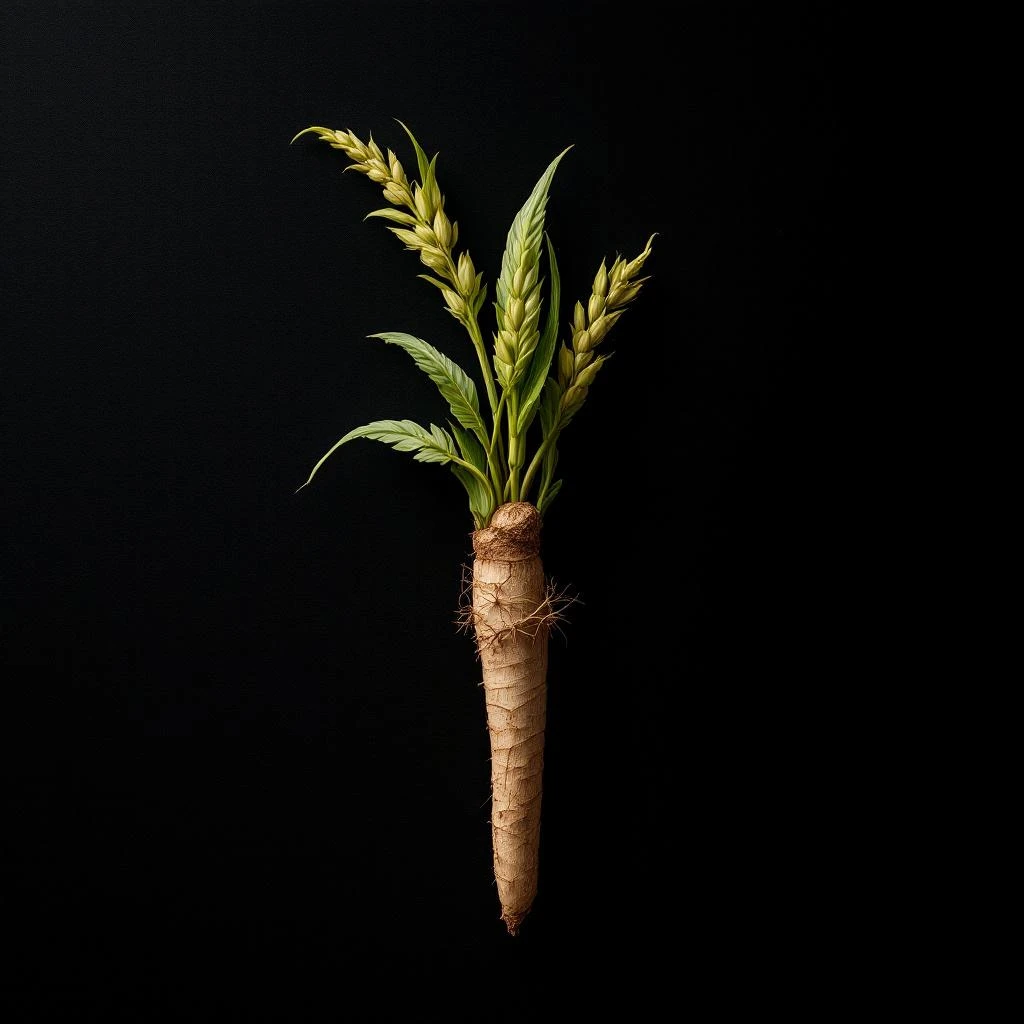
Calamus root oil is a warm, complex material combining spicy-cinnamic warmth with marshy green undertones, dry leather, and a camphoraceous bitterness that lingers for days on skin. A fixative workhorse in woody and oriental perfumery.
Heritage
Calamus has been valued across civilisations for over 4,000 years. Ancient Indians incorporated it into Ayurvedic preparations as a cognitive tonic, naming it Vacha (the herb that induces speech). Egyptian texts reference sweet flag in ceremonial incense blends. Chinese medicine adopted it as a warming remedy for respiratory complaints. Native American peoples used the root extensively in healing rituals and as a ceremonial smudge. Medieval European apothecaries stocked calamus root for digestive and neurological applications. The plant made its way into European perfumery through the alembic traditions of Arabic-period Spain. By the early 20th century, steam-distilled calamus oil had become a recognised fixative in oriental fragrance formulations. Modern usage remains constrained by regulatory scrutiny around its beta-asarone content, which limits commercial applications and maintains the ingredient's niche status among perfumers who understand its history.
At a Glance
1
Feature this note
India
Primary source region
Ingredient Details
Steam distillation
Dried rhizomes (roots)
Did You Know
"Ayurvedic texts from 500 BCE mention calamus as a key memory and wisdom herb, earning it the Sanskrit name Vacha (to speak)."