
Character
The Story of Camellia
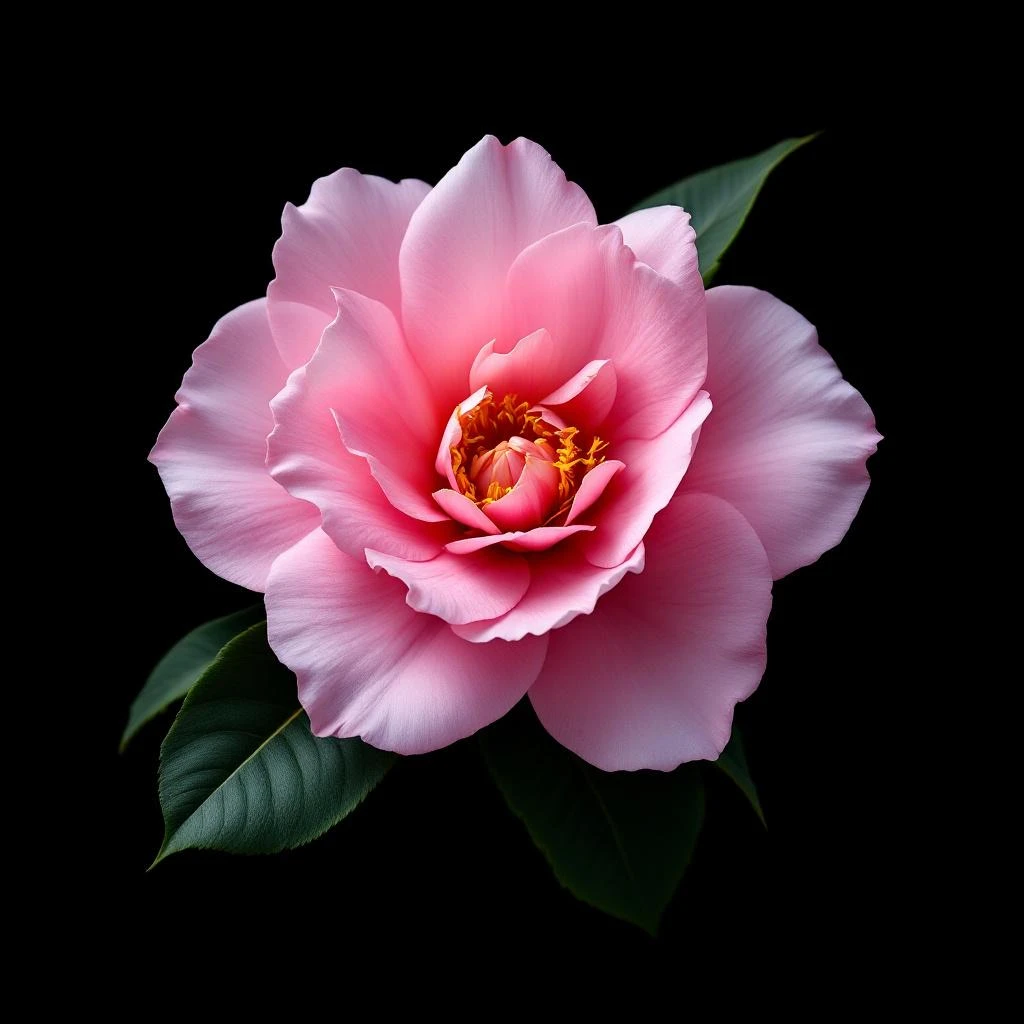
The camellia flower holds a secret most wearers never suspect: its petals carry almost no scent. Perfumers turn instead to the leaves, which yield an oil rich in eugenol, the same compound that gives cloves their warmth. A botanical contradiction with deep roots in East Asian tradition.
Heritage
Camellia japonica originated in the forests of Japan and southern China, where it has grown wild for millennia. Japanese nobility embraced the flower as a symbol of refinement, incorporating it into court ceremonies and art. Unlike cherry blossoms, which carried associations with the samurai class, camellias represented a more contemplative, scholarly elegance. When Chanel began researching the flower in 1998, the house discovered that local farmers in the Loire Valley had long cultivated camellias specifically for their leaves, a practice that connected French botanical traditions with East Asian horticultural knowledge. The flower's visual prominence in Chanel's iconography stems from Coco Chanel's personal affinity, but the fragrance industry owes its camellia materials to generations of East Asian agricultural practice.
At a Glance
5
Feature this note
Japan
Primary source region
Ingredient Details
Steam distillation
Leaves (primarily), Flower petals (enfleurage, limited use)
Did You Know
"Camellia leaves contain high concentrations of eugenol, the same compound responsible for clove's distinctive warmth and spice."
Pyramid Presence