Character
The Story of Camphor
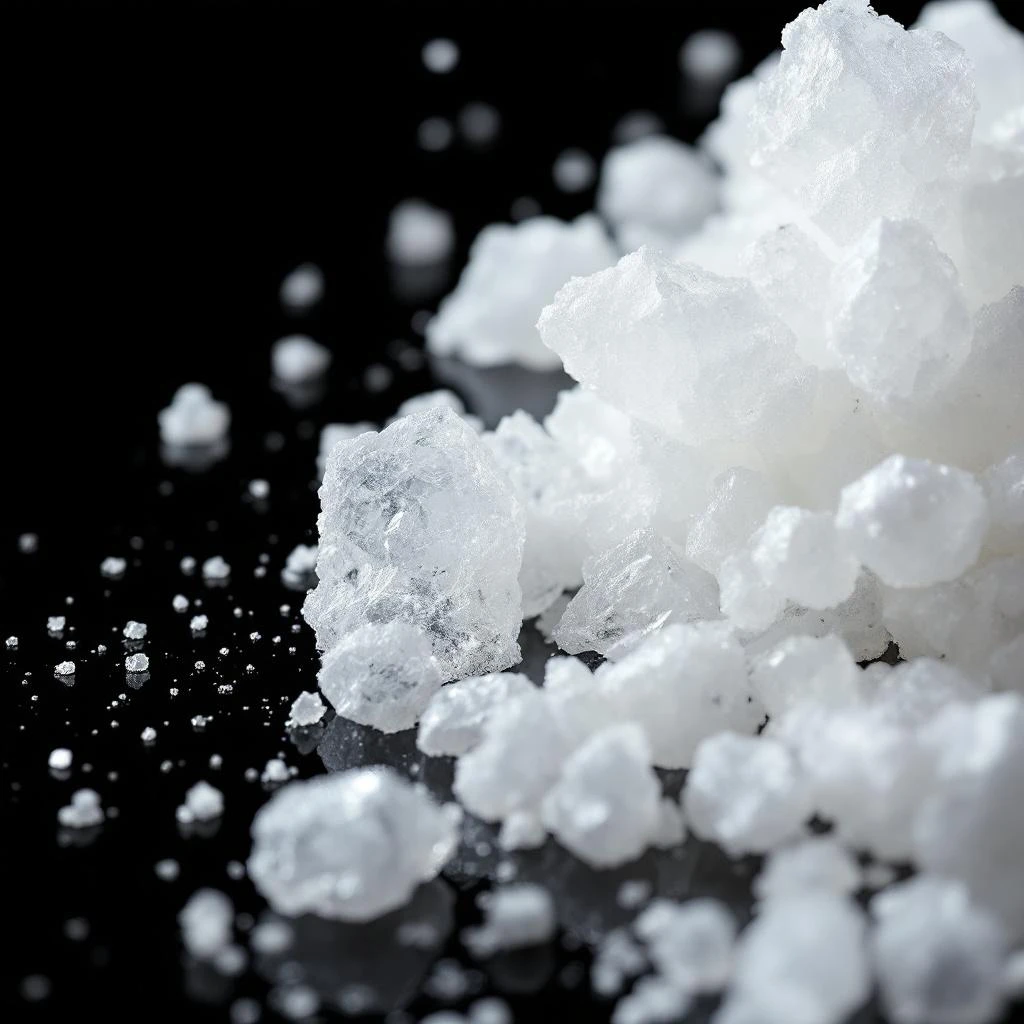
A crystalline substance with an almost contradictory nature: sharp yet cooling, ancient yet endlessly modern. Camphor arrives with a clarity that awakens, lending brightness in trace amounts, shadows in depth. Few ingredients bridge centuries so seamlessly.
Heritage
When Muslim armies pushed eastward in the 7th century, they encountered entirely new sensory worlds. By the 13th century, writer al-Tha'alibi described India as a place where trees were aloes and leaves gave sweet perfumes. Camphor, along with other aromatic treasures, gradually filtered from caliphs and courtiers into broader society. The Islamic world transformed perfume from mere luxury into a way of life, reshaping how people understood pleasure, hygiene, medicine, and even paradise. Camphor traveled ancient trade routes from East Asia into Arabia, Persia, and beyond, becoming embedded in sacred rituals, medicinal traditions, and eventually perfumery. Its journey from rare import to fragrance staple mirrors the broader story of global scent culture.
At a Glance
1
Feature this note
Taiwan
Primary source region
Ingredient Details
Steam distillation
Chipped wood
Did You Know
"Camphor was burned as a fumigant during the Black Death, prized in medieval perfumery, and remains a secret ingredient in Indian sweet pongal."