    Ingredient Profile

    Candle wax fragrance note

    Candle wax forms the solid foundation of scented candles, delivering a steady melt that releases fragrance while shaping the candle's burn a…More

    United Kingdom

    2

    Fragrances

    Fragrances featuring Candle wax

    Character

    The Story of Candle wax

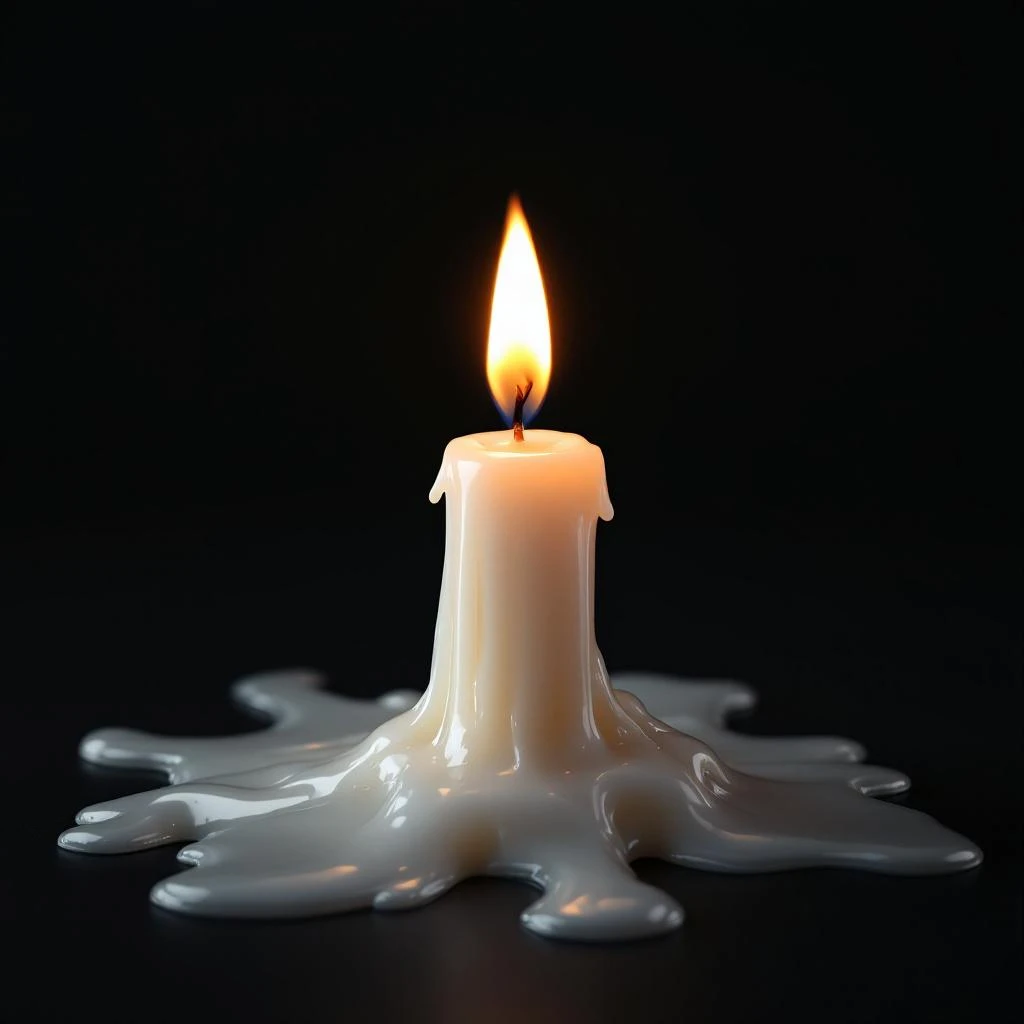
    Candle wax forms the solid foundation of scented candles, delivering a steady melt that releases fragrance while shaping the candle's burn and appearance.

    Heritage

    Candle wax has guided human scent practices for centuries. Early candles used tallow, rendered animal fat, which produced a smoky, short‑lasting flame. In 1825, French chemist Michel‑Eugène Chevreul patented a method to extract stearic acid from animal fat, creating a cleaner, harder wax that burned brighter. The mid‑19th century saw the rise of paraffin wax after James Young refined petroleum in Scotland, offering a cheap, odorless alternative that extended burn time and allowed perfumers to layer fragrance without interference from the wax itself. By the early 20th century, beeswax remained prized for its natural honey scent, while soy wax entered the market in the 1990s as a renewable option, appealing to eco‑conscious consumers. Throughout this evolution, candle wax has acted as both a vessel and a medium, enabling the controlled release of aromatic compounds that have been used in religious rites, domestic comfort, and commercial fragrance displays.

    At a Glance

    Fragrances

    2

    Feature this note

    Origin

    United Kingdom

    Primary source region

    Ingredient Details

    Extraction

    Hydrocarbon refining

    Used Parts

    Petroleum crude, animal fats, soy oil

    Did You Know

    "The first paraffin candles appeared in the 1850s after chemists refined wax from petroleum, replacing earlier tallow candles and extending burn time by up to 30 percent."

    Pyramid Presence

    Top
    1
    Heart
    1

    Production

    How Candle wax Is Made

    Modern candle wax begins as raw material—petroleum crude, animal fat, or plant oil. In a refinery, crude oil undergoes fractional distillation, separating the light fractions from heavier hydrocarbons. The heavy fraction is then vacuum distilled to isolate a clear, colorless wax known as paraffin. For natural waxes, animal fats are rendered and hydrogenated, producing stearic acid that crystallizes into a firm wax. Soy wax follows a cold-press extraction: soybeans are cleaned, cracked, and the oil is expelled, then the oil is fully hydrogenated, turning liquid oil into a solid wax with a lower melting point. Each batch passes through a filtration system that removes impurities, then the wax is cooled, cut into pellets, and packaged for perfumers. The process emphasizes temperature control, typically keeping the melt between 70 and 85 degrees Celsius to preserve any added fragrance oils and to ensure consistent crystal structure. Quality checks include measuring melt point, hardness, and scent throw, guaranteeing that the wax will support a stable flame and release fragrance as intended.

    Provenance

    United Kingdom

    United Kingdom56.0°N, 3.2°W

    About Candle wax