Character
The Story of Candy apple
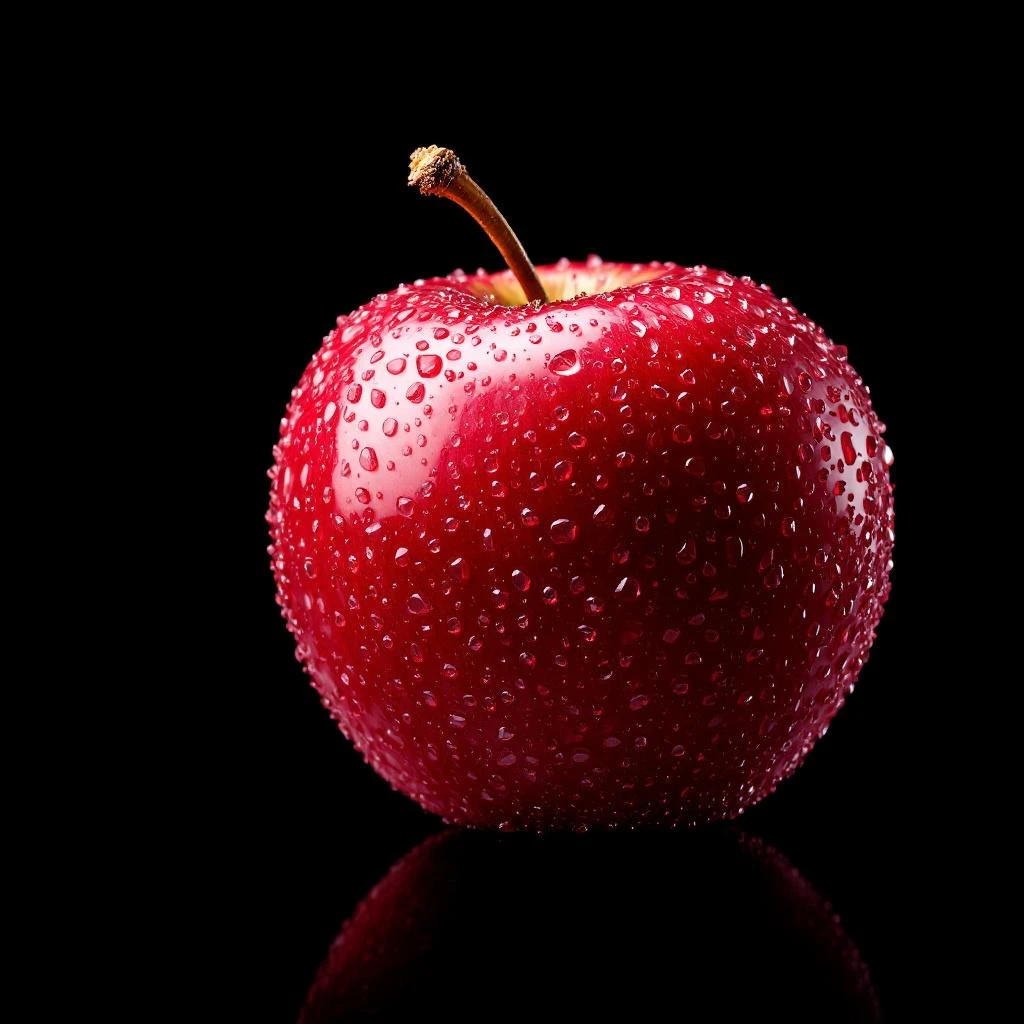
Tart, glossy, red-sugar-coated. Candy apple captures the carnival version of an apple — green fruit sharpness under a brittle sugar shell that cracks when you bite. In perfumery, it evokes fairs, autumn festivities, and childhood nostalgia.
Heritage
In 1908, William W. Kolb, a candy maker in Newark, New Jersey, dipped apples in red cinnamon candy and arranged them in his shop window. Kolb meant them as decorations. Customers disagreed — they bought the displays and ate the apples anyway. The accidental success spawned a seasonal confection tradition. Candy apple landed in perfumery decades later as synthetic aromatics advanced enough to capture specific food scents. The note carries its carnival origins into fragrance: bright, nostalgic, and unapologetically sweet. Modern perfumers use it to evoke autumn fairs and childhood memory, often pairing it with cinnamon and warm woods in seasonal compositions. The note works best in top-to-heart positions, where its tartness arrives first and the caramel sweetness follows into the dry-down.
At a Glance
1
Feature this note
United States
Primary source region
Ingredient Details
Constructed accord
Synthesized from aroma chemicals (hexyl acetate, ethyl 2-methylbutyrate, maltol, cyclotene)
Did You Know
"Candy apples were never meant to be eaten. Newark candy maker William W. Kolb created them in 1908 as window decorations. Customers bought them anyway and ate them."