Character
The Story of Carrot Seeds
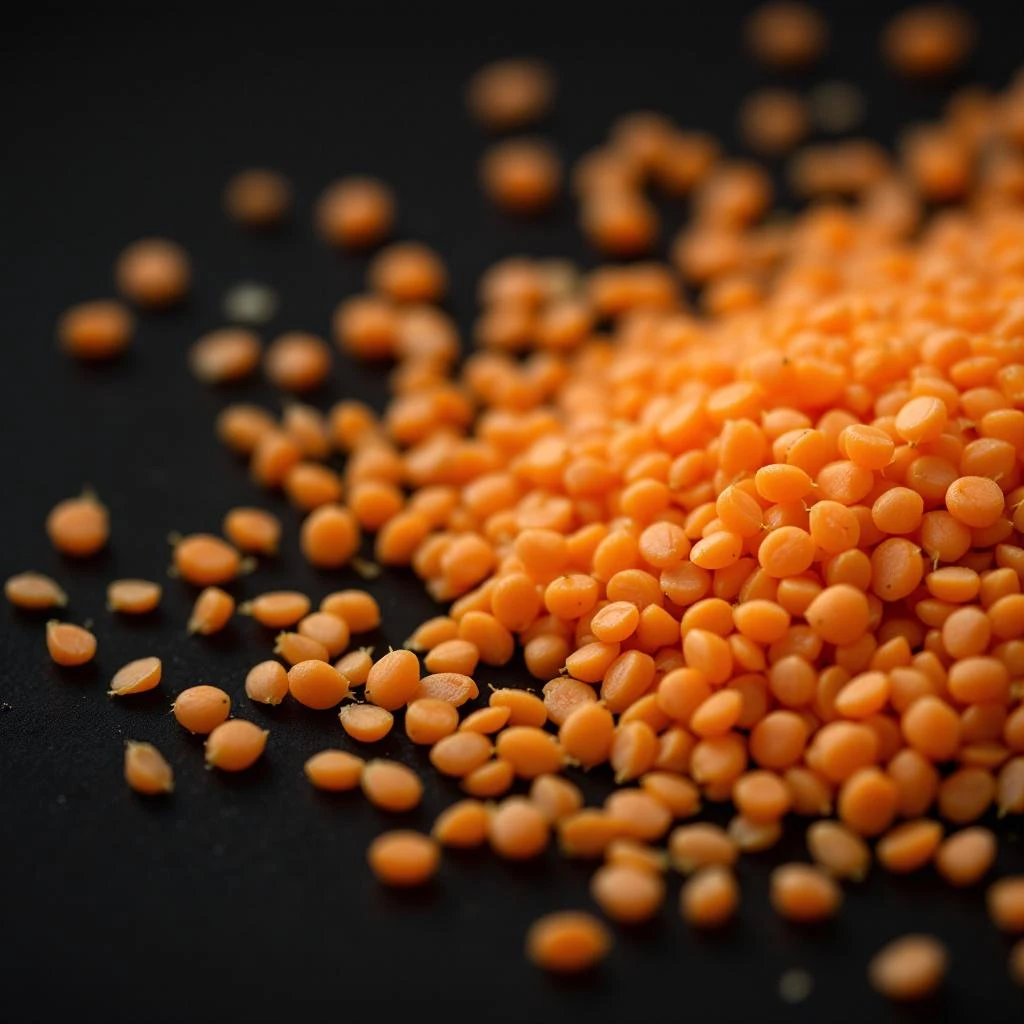
An intriguing woody note extracted from wild carrot seeds, offering an earthy-sweet warmth with subtle spicy undertones. Carrot seed brings unexpected depth to compositions, bridging powdery florals and dry woods with its distinctive herbal-rooty character.
Heritage
The wild carrot has shadowed human civilization for millennia, though its seeds only found their way into perfumery in the modern era. Ancient Greek and Roman texts document the plant's medicinal use, with both the root and seeds appearing in the pharmacopoeias of Hippocrates and Dioscorides. Medieval European herbalists valued wild carrot seeds for digestive complaints and as a diuretic, preparations that continued in folk medicine through the Renaissance. The plant's delicate white flowers, arranged in the flat-topped umbels characteristic of the carrot family, earned the common name Queen Anne's lace in England during the eighteenth century, allegedly referencing Queen Anne of Denmark's skill at lacemaking.
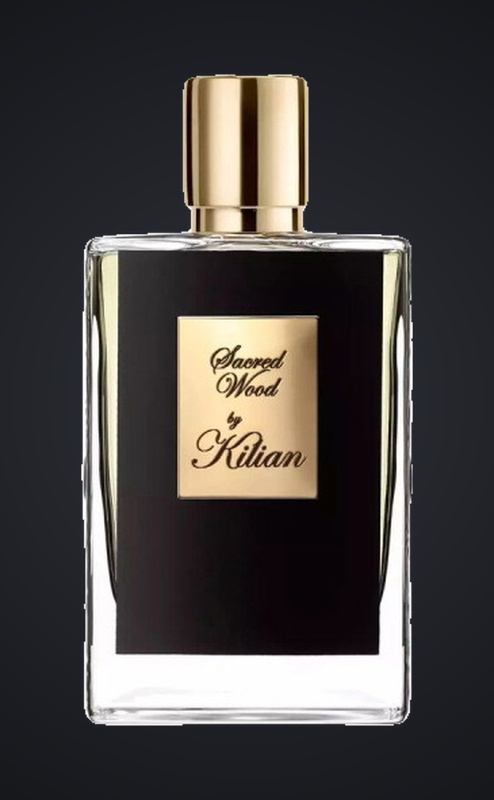
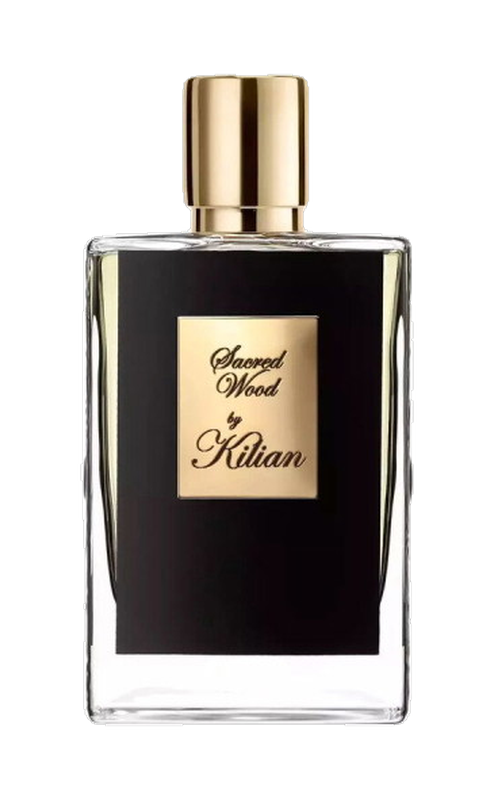
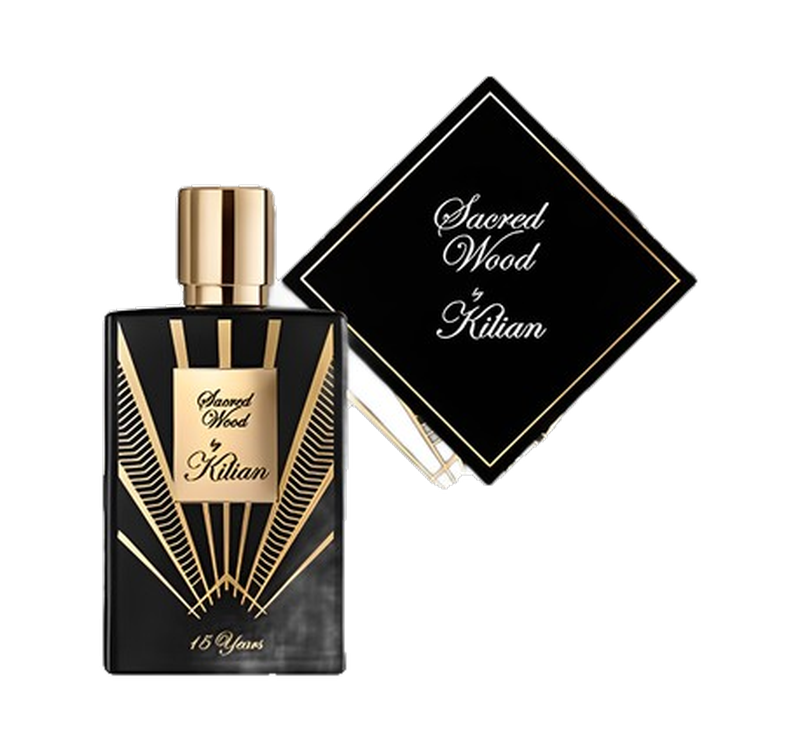
Carrot seed entered the perfumer's palette in the twentieth century as the industry expanded its vocabulary beyond traditional florals and spices into more complex, nuanced botanicals. Its woody, earthy profile offered perfumers a bridge material that could connect violet's powdery elegance with vetiver's dry depth. Today it appears in sophisticated woody and oriental compositions, from Tom Ford's Santal Blush to Kilian's Sacred Wood, where its subtle sweetness adds a human warmth to otherwise stark structures. The note has found particular favor among natural perfumers, who prize its complexity and the fact that it represents a useable aromatic product from a plant most would overlook as a common weed.
At a Glance
2
Feature this note
Green
Olfactive group
Natural
Botanical origin
France
Primary source region
Ingredient Details
Steam distillation
Seeds
Did You Know
"The plant Daucus carota is better known as Queen Anne's lace, named after the English queen who famously pricked her finger while making lace, staining a single drop of blood onto the flower's white center."