Character
The Story of Cashmere Musk
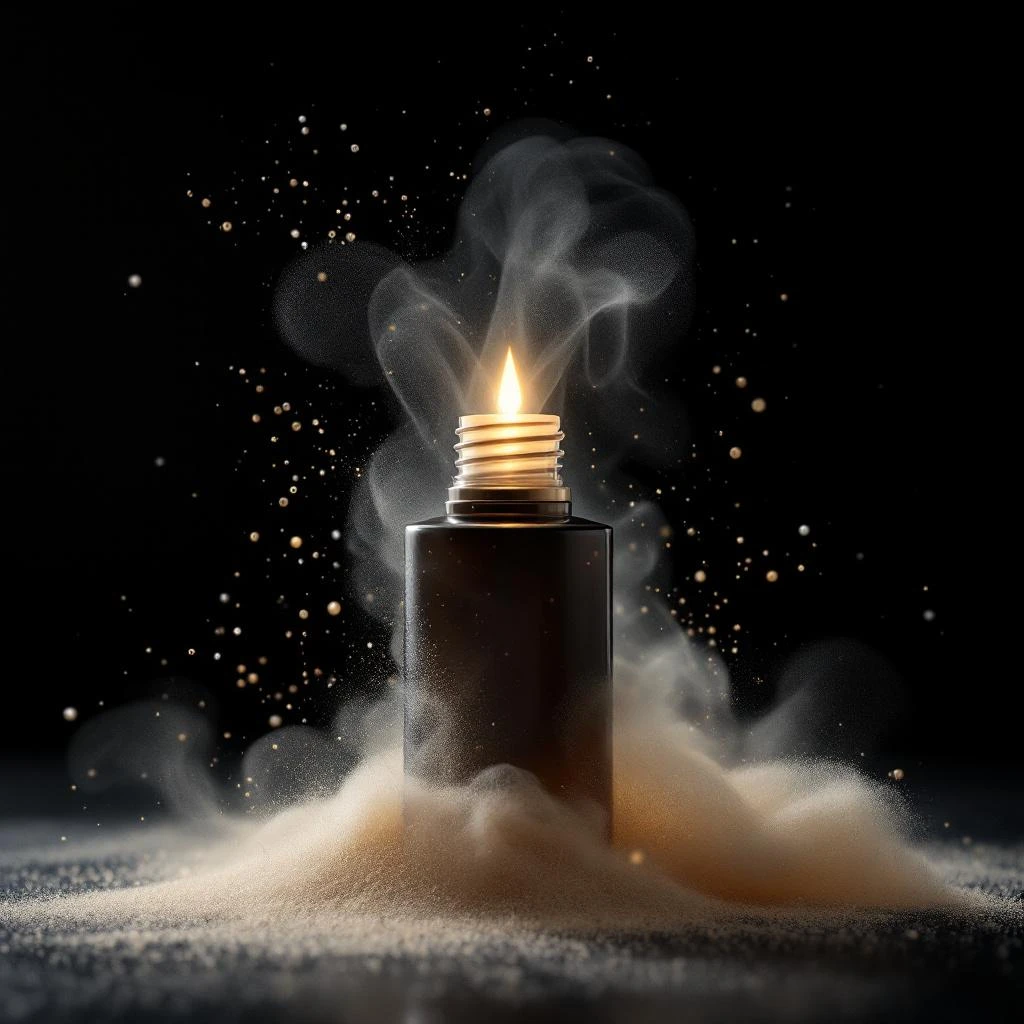
Cashmere Musk translates the intimate sensation of worn fabric into scent—a powdery, warm accord built from synthetic musks and lactones. No cashmere is distilled or extracted; this note exists entirely through perfumery chemistry, designed to evoke the tactile softness of fiber that has absorbed body heat.
Heritage
Musk has anchored perfumery since ancient Mesopotamia, appearing in Egyptian religious rituals and Chinese court compositions as one of the most prized aromatics. Traditional sources came from the abdominal glands of male musk deer across Himalayan and Siberian regions—extraction typically killed the animal, making the practice increasingly regulated through the 1970s and eventually prohibited in many regions. Contemporary perfumery shifted almost entirely to synthetic musks, creating entirely new olfactory territories. Cashmere Musk represents a late-twentieth-century refinement within this movement: perfumers sought to translate tactile textile qualities into scent. The resulting accord emerged from laboratories in the 1970s as fragrance houses developed polycyclic ketones and macrocyclic compounds with velvety, skin-proximate character. Cashmere Musk now appears across gender boundaries, valued for its versatility as a fixative that extends fragrance longevity while adding warmth without overwhelming weight.
At a Glance
1
Feature this note
United States
Primary source region
Ingredient Details
Synthetic
No botanical or animal parts used
Did You Know
"Cashmeran, the backbone of Cashmere Musk, was discovered by accident in 1969 when IFF chemists detected an impurity during gas chromatography analysis of an unrelated fragrance compound."