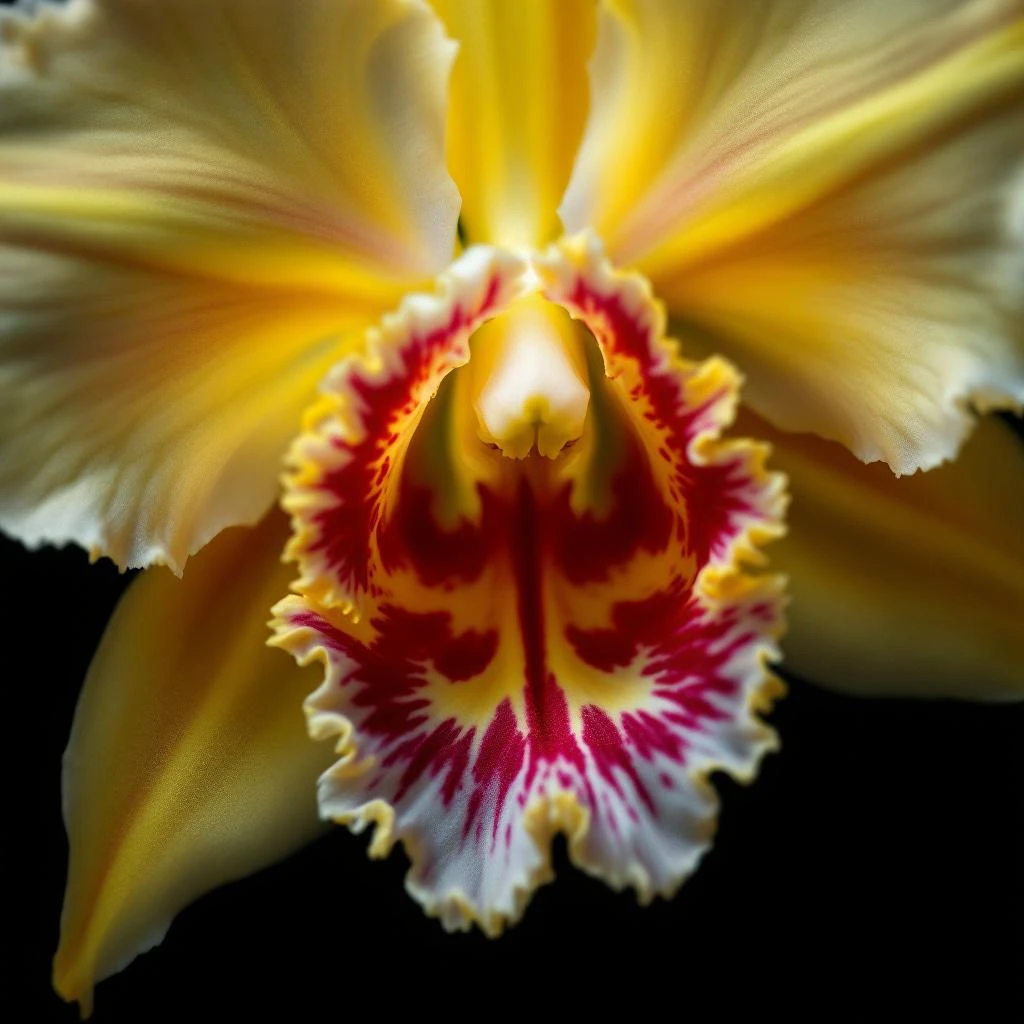


Character
The Story of Cattleya Orchid
The queen of orchids. Cattleya blooms produce heady, vanilla-tinged scents that have captivated perfumers since their 1824 discovery. Each species offers a distinct olfactory signature.
Heritage
The Cattleya genus owes its name to William Cattley, an English horticulturist who received an unusual plant shipment from Brazil in 1818. Instead of discarding the packing material, he planted it. The specimen surprised everyone by producing magnificent purple flowers.
John Lindley, Britain's leading botanist, formally named the genus after Cattley in 1824. The horticultural community immediately recognized the orchid's exceptional qualities. Within decades, Cattleya species became prized specimens among European collectors, commanding prices that rivaled fine art.
Victorian-era England saw orchid mania reach fever pitch. Wealthy collectors competed fiercely for rare specimens, and the Cattleya earned its enduring title: Queen of Orchids. The flowers symbolized luxury and refinement across social classes.
The French fragrance industry discovered Cattleya's commercial potential by the early 20th century. Species like Cattleya bowringiana and Cattleya mossiae provided distinctive floral notes for luxury perfumes. Perfumers classified them within the fruity-floral category, recognizing their complex scent profiles that combine sweet, green, and vanilla elements.
At a Glance
2
Feature this note
Brazil
Primary source region
Ingredient Details
Solvent extraction / Enfleurage
Fresh flower petals
Did You Know
"Cattleyas developed their fruity-floral scents over 20 million years ago, long before humans existed to appreciate them."