








Character
The Story of Chamomile
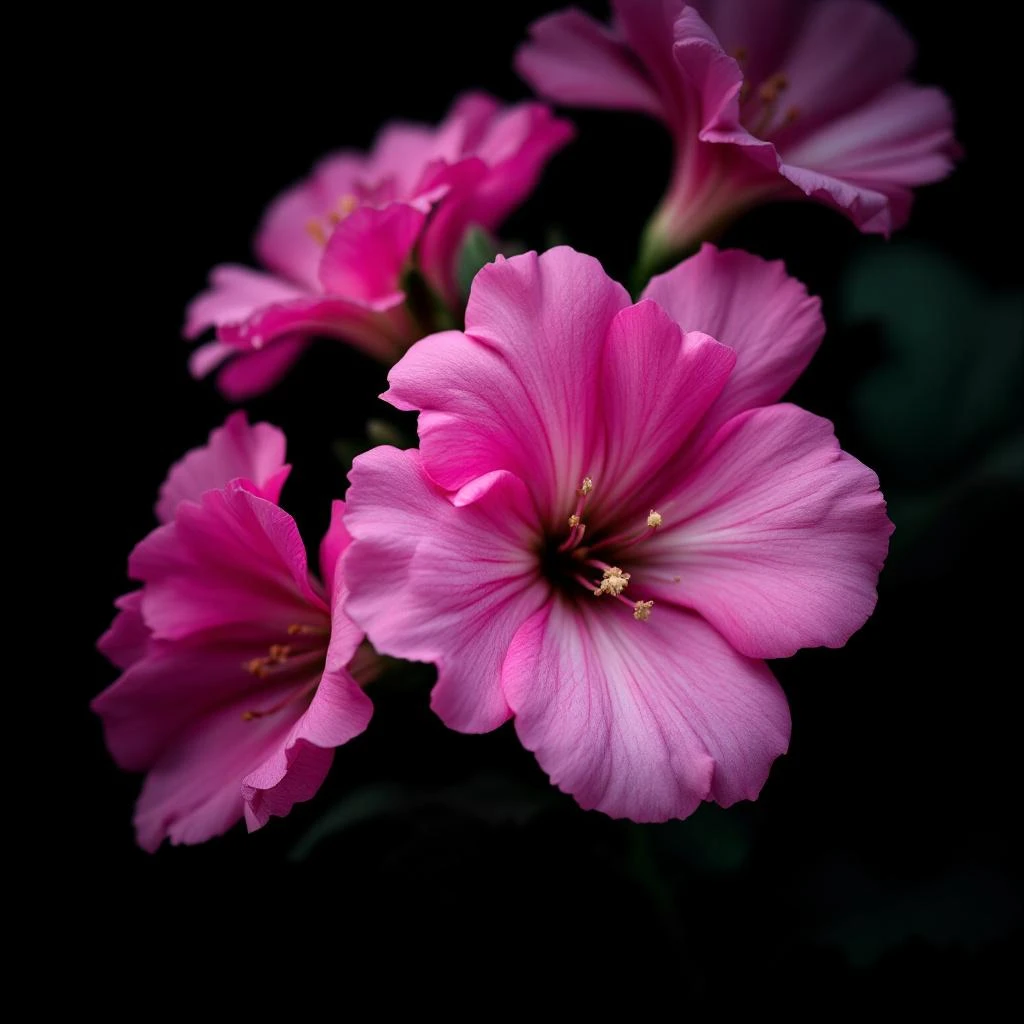
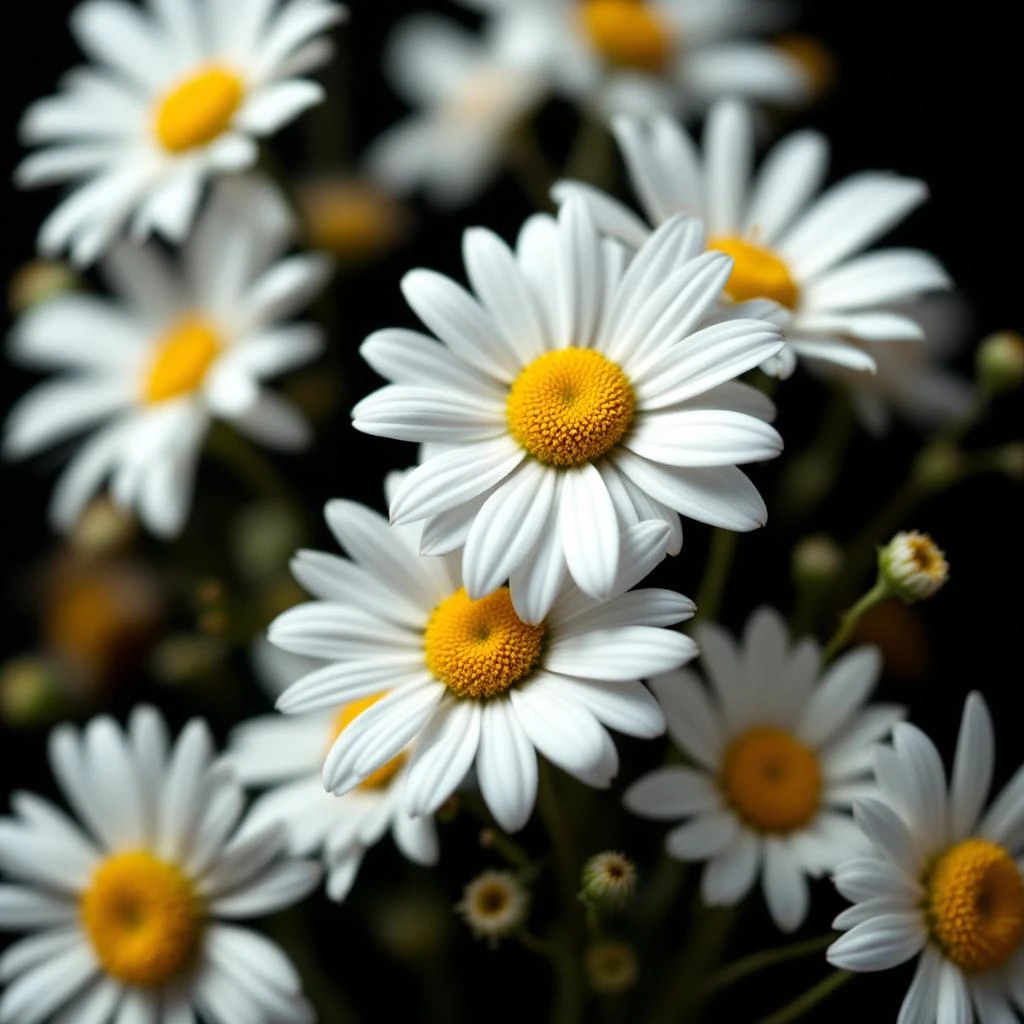
Chamomile brings a soft, apple-like sweetness to the heart of fragrances, its delicate white flowers yielding an essential oil that balances herbal freshness with honeyed warmth. This ancient botanical, known as the 'ground apple' since antiquity, lends perfumes a calming presence that feels both intimate and refined.
Heritage
The name chamomile derives from the Greek 'khamaimēlon,' literally meaning 'earth apple,' a reference to the flower's distinctive aroma that recalls ripe apples with grassy undertones. This modest bloom has been revered across civilizations for millennia. Ancient Egyptians dedicated chamomile to their sun god Ra, using it in cosmetics, perfumes, and medicines. The Ebers Papyrus, dating to 1550 BCE, documents its use for fever and digestive ailments. In ancient Rome, the naturalist Pliny the Elder chronicled its applications, while Greek physicians including Hippocrates prescribed chamomile for its calming properties.
Throughout the Middle Ages, chamomile maintained its medicinal prominence across Europe. Medieval monks cultivated it in monastery gardens for treating everything from insomnia to skin conditions. The plant's association with rest and comfort deepened over centuries. Traditional European folk medicine recommended filling pillows with dried chamomile flowers to ensure peaceful sleep, a practice that persisted well into the modern era. Chamomile also served a practical purpose at medieval gatherings, where it was strewn on floors to release its sweet fragrance when stepped upon, freshening the air in crowded halls.
In perfumery, chamomile emerged as a subtle but essential component during the twentieth century. Its ability to add a gentle, naturalistic softness made it valuable in creating skin scents and intimate compositions. The fragrance found particular favor in children's perfumes, most notably in Bvlgari's Petits et Mamans, where chamomile's associations with maternal comfort and childhood innocence were perfectly expressed. More recently, Gucci's Mémoire d'une Odeur brought chamomile unexpected attention in 2019, using it as a central note in a composition that sought to evoke memory and nostalgia. Today, chamomile continues to appear in fougère, woody, and aromatic compositions, where its quiet complexity adds depth without demanding attention.
At a Glance
26
Feature this note
Green
Olfactive group
Natural
Botanical origin
France
Primary source region
Ingredient Details
Steam distillation
Flower heads
Did You Know
"Roman chamomile earned the nickname 'Physician of Plants' because neighboring vegetation reportedly grows healthier when planted near it, as if the flower itself possesses healing energy for its garden companions."
Pyramid Presence