Character
The Story of Chinese geranium
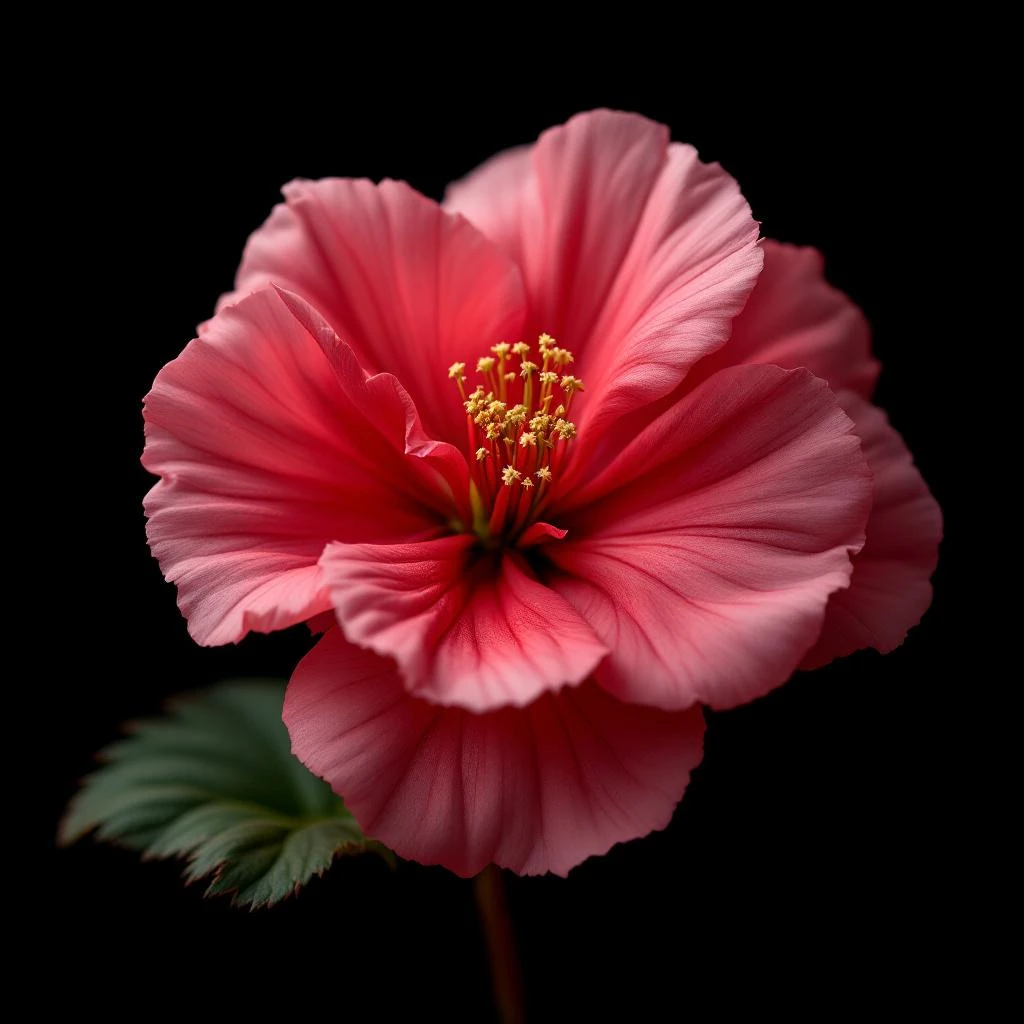
Chinese geranium oil delivers a rosy, herbaceous character with bright citrus top notes and a cooling menthol undertone. Steam distilled from stems and leaves of Pelargonium graveolens, it serves as a natural rose alternative in perfumery. China ranks among the world's largest producers of this essential oil, alongside Egypt, together accounting for approximately 90 percent of global output.
Heritage
The geranium plant traces its botanical origins to South Africa, where species of Pelargonium grew wild long before European botanical explorers encountered them. The genus name derives from the Greek word geranos, meaning crane, a reference to the seed pods that resemble the long bills of these wading birds. European traders and missionaries brought Pelargonium specimens back to the continent during the 17th century, and French cultivators in Grasse pioneered the first commercial distillation of geranium essential oil, establishing a tradition that would later spread to North Africa and beyond. The plant proved remarkably adaptable to hybridization, and cultivated varieties proliferated across Mediterranean regions, East Africa, and eventually reached China, where favorable growing conditions in southwestern provinces created ideal conditions for large-scale production. Today, China stands as one of the world's two largest geranium oil producers, a remarkable trajectory for a plant that traveled from African wilderness to global perfumery supply chains. Beyond fragrance applications, geranium has maintained its significance in traditional medicine and aromatherapy, valued for its reported therapeutic properties spanning antiseptic, anti-inflammatory, and mood-stabilizing effects.
At a Glance
1
Feature this note
China
Primary source region
Ingredient Details
Steam distillation
Stems and leaves
Did You Know
"Geranium leaves are coated in glandular hairs that produce the fragrant oil, and harvest timing is critical: extraction must occur before the flowers blossom."