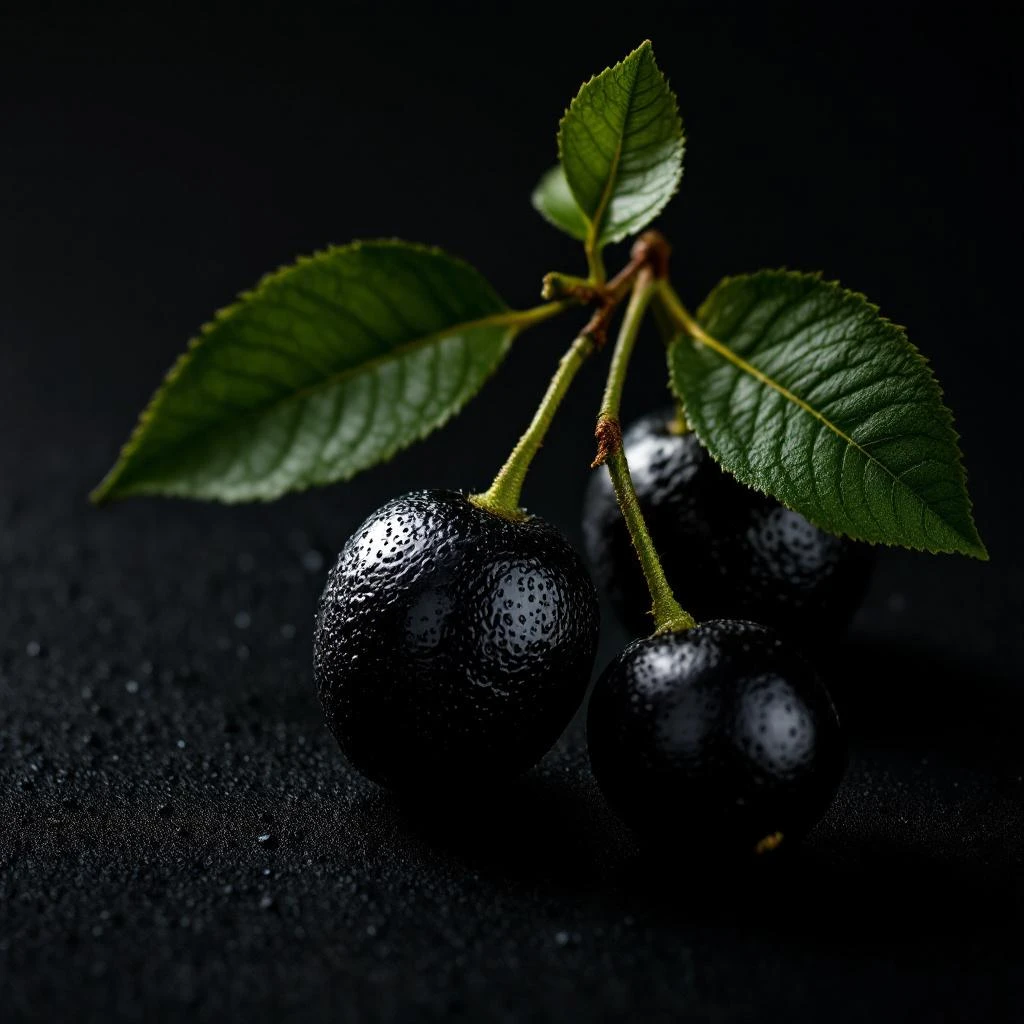

Character
The Story of Chinotto
Chinotto is a compact, thorny citrus tree producing small, aromatic fruits with a bittersweet profile prized in perfumery and confectionery.
Heritage
Chinotto entered Western cultivation around 300 years ago when a Savonese sailor carried the plant from China to Savona, Italy. The city's unique microclimate—mountains meeting the sea—proved ideal for this compact citrus tree. Locals quickly adopted the bitter fruit for culinary purposes, eventually creating the carbonated Chinotto beverage that shares its name. Italian perfumers recognized the aromatic potential of both the flowers and the peel. Marco Abaton, a native of Savona, has developed multiple fragrances dedicated to the ingredient, including Fior di Chinotto, which captures the essence of blossoms harvested across four separate collections. The ingredient bridges culinary tradition and fine perfumery, representing a rare example of a citrus note deeply rooted in a single Italian town's heritage.
At a Glance
1
Feature this note
Italy
Primary source region
Ingredient Details
Cold pressing (peel), Solvent extraction (flowers)
Fruit peel, Flower petals
Did You Know
"Chinotto arrived in Savona, Italy from China over 300 years ago—the same sailors who brought it became its first cultivators."