
Character
The Story of Cinnamon leaf
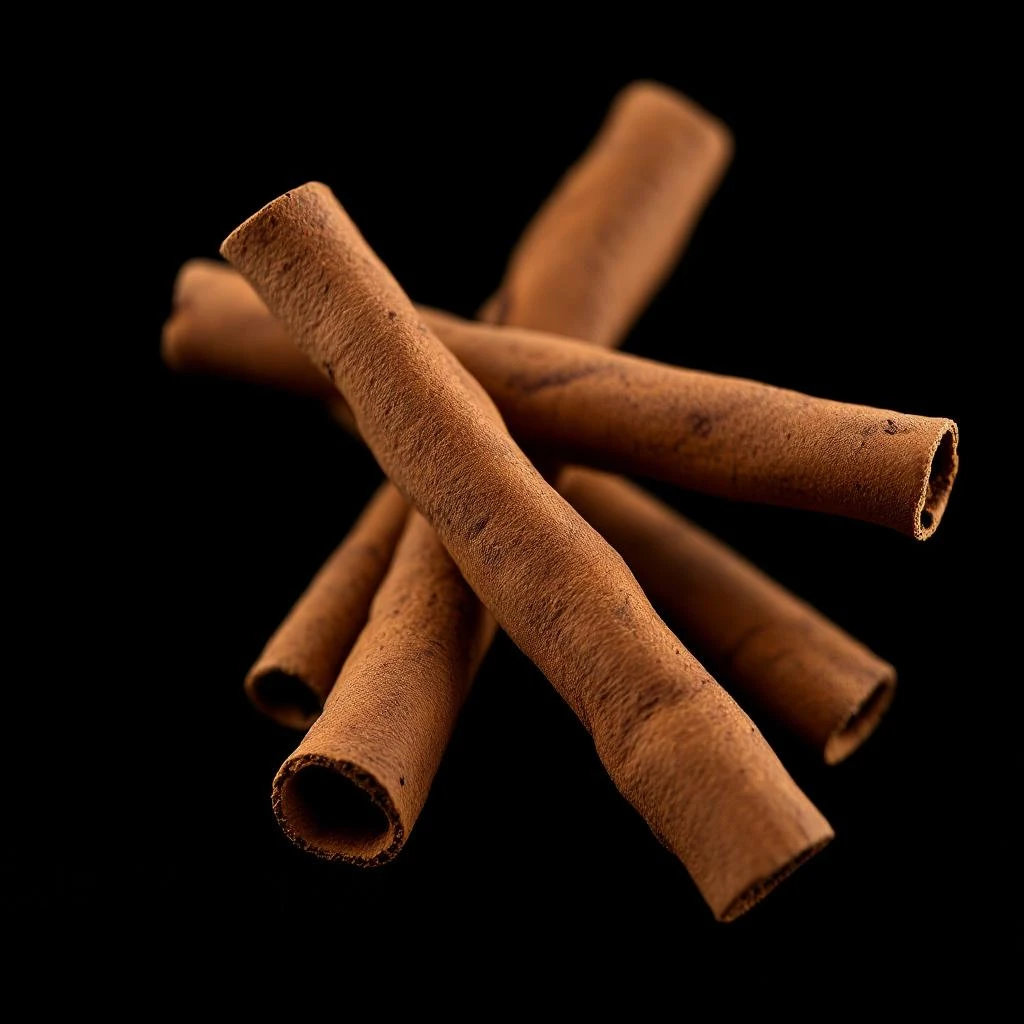
Cinnamon leaf, harvested from Cinnamomum verum trees in Sri Lanka, yields a bright, spicy‑sweet oil that adds a crisp, aromatic edge to modern perfumes.
Heritage
Cinnamon leaf’s story traces back to ancient Sri Lankan kingdoms, where the spice was prized for both culinary and ritual purposes. Early traders carried the leaf oil along the Silk Road, noting its ability to freshen temple incense and mask unpleasant odors. Portuguese explorers recorded the plant in 1505, naming it 'Ceylon cinnamon' and establishing export routes to Europe. By the 18th century, colonial plantations began systematic pruning, turning leaf waste into a commercial oil. The first documented use of cinnamon leaf oil in Western perfumery appears in a French fragrance catalogue of 1825, where it was listed as a 'spicy top note.' Throughout the 20th century, the oil gained favor in oriental and gourmand compositions, valued for its bright spice that differs from the heavier bark oil. Today, sustainable leaf harvesting supports both the perfume industry and local economies, linking centuries of tradition with modern aromatic art.
At a Glance
7
Feature this note
Sri Lanka
Primary source region
Ingredient Details
Steam distillation
Leaves
Did You Know
"Cinnamon leaf oil is produced from the pruning leftovers of Ceylon cinnamon trees, turning what would be waste into a valuable fragrance ingredient."
Pyramid Presence