Character
The Story of CO2 Extracts
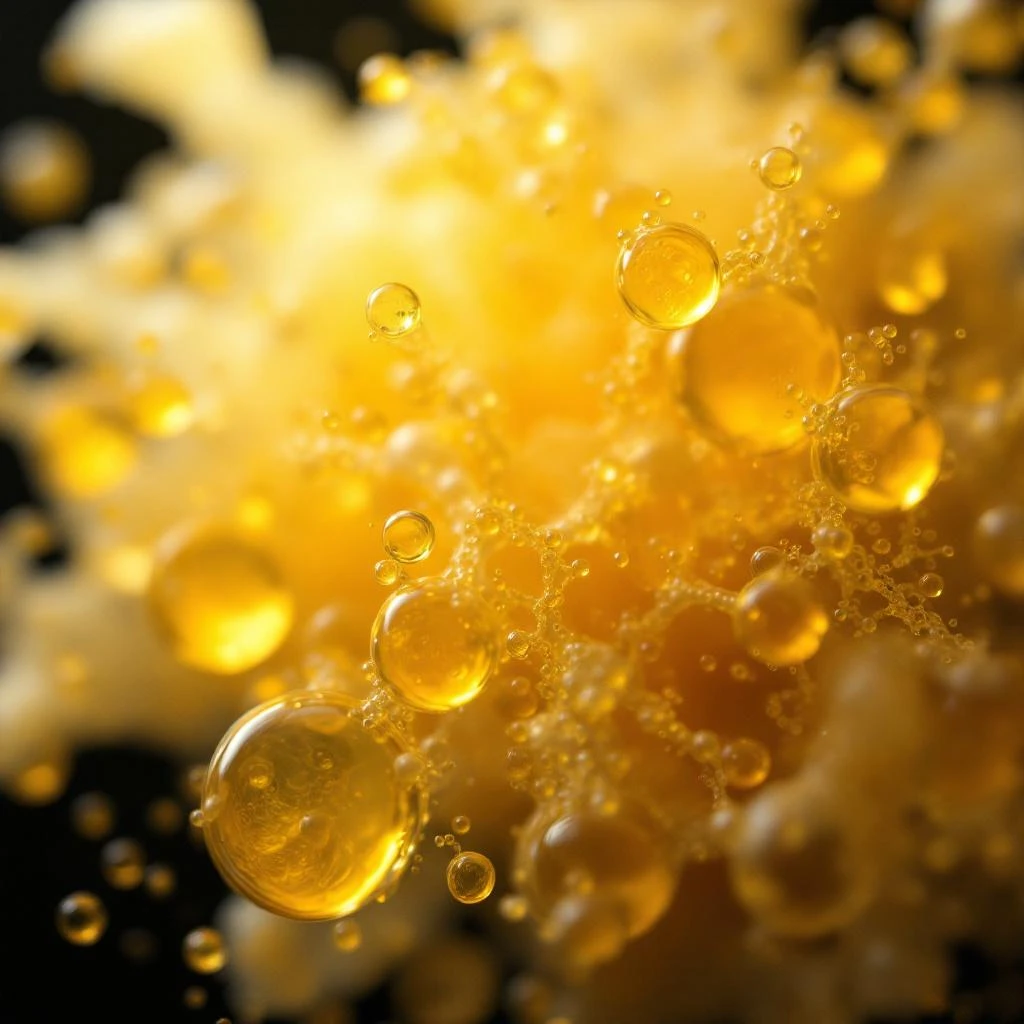
CO₂ extracts capture a plant’s authentic aroma, preserving both volatile and heavier molecules that traditional methods often lose, delivering a fragrance profile that mirrors the source material.
Heritage
The practice of extracting fragrance from plants dates back centuries, but the first documented use of carbon dioxide as a solvent appeared in the early 20th century. French chemist Paul J. M. Bouchard patented a high‑pressure CO₂ method in 1935, yet industrial adoption lagged until the 1970s when advances in pressure‑vessel technology made large‑scale supercritical extraction feasible. By the mid‑1990s, major perfume houses in Europe began releasing lines that highlighted CO₂‑derived ingredients, praising their fidelity to the source material. The technique gained momentum as consumers demanded cleaner, greener products, and regulatory bodies recognized CO₂ extraction as a natural process in 2005. Today, CO₂ extracts feature in both niche and mainstream fragrances, illustrating how a century‑old invention reshaped modern perfumery.
At a Glance
2
Feature this note
France
Primary source region
Ingredient Details
Supercritical CO₂ extraction
Flower petals, leaves, wood chips, seed kernels
Did You Know
"A single kilogram of rose petals yields about 0.02 g of CO₂ extract, yet the resulting oil contains over 90 % of the flower’s native compounds."
Pyramid Presence