    Ingredient Profile

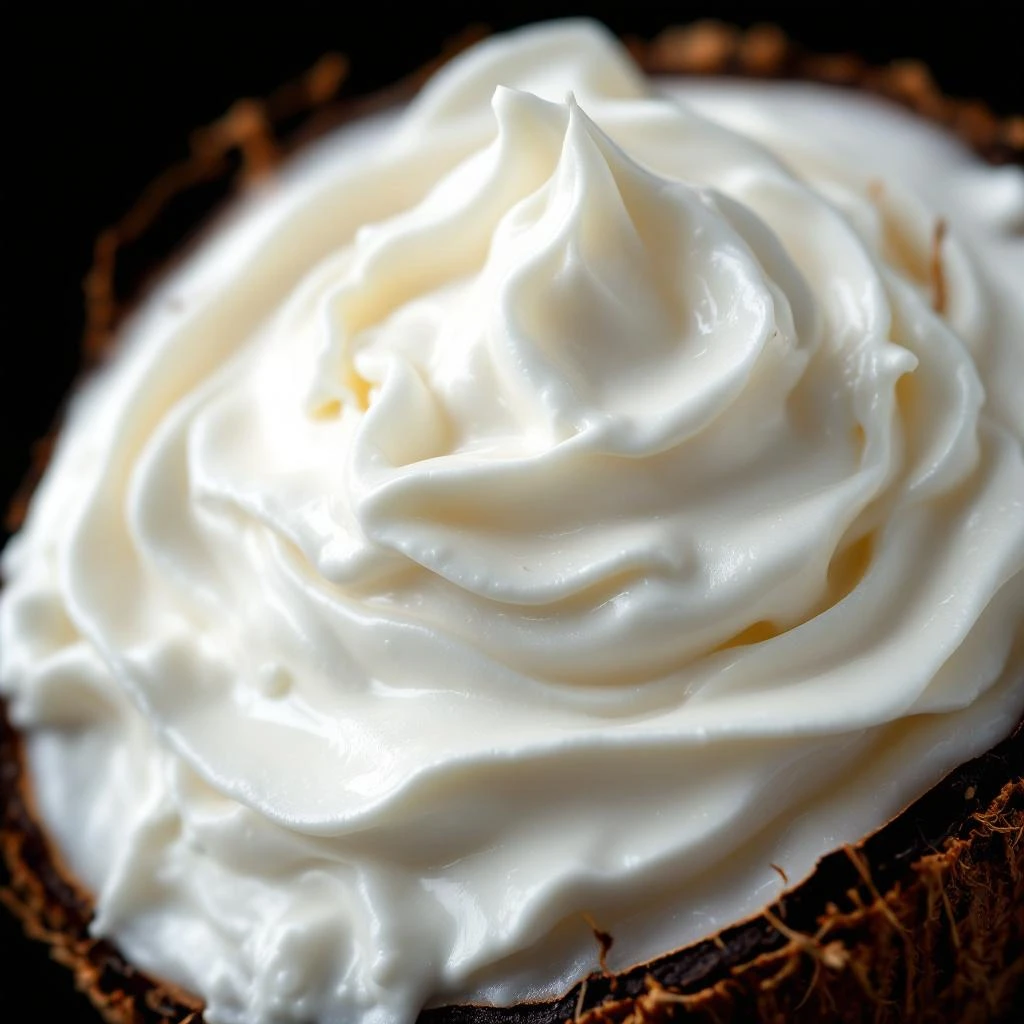
    Coconut cream fragrance note

    A warm, creamy note that evokes the soft interior of a fresh coconut, bringing tropical richness and buttery sweetness to fragrance composit…More

    Laboratory-derived

    1

    Fragrances

    Fragrances featuring Coconut cream

    Character

    The Story of Coconut cream

    A warm, creamy note that evokes the soft interior of a fresh coconut, bringing tropical richness and buttery sweetness to fragrance compositions.

    Heritage

    Lactones have been workhorses of perfumery for over a century. γ-Undecalactone, known as aldehyde C-14, was introduced around 1905 and remains widely used despite countless newer alternatives. The discovery that removing two carbons from its chain produced γ-nonalactone opened new aromatic territory. These compounds carry their origin in their name: lactone derives from the Latin 'lac, lactis,' meaning milk, a reference to their creamy character. While tropical fragrance notes existed in older perfume traditions, the synthetic lactone era enabled precise, stable coconut cream effects that natural extracts could not reliably provide. Today, coconut cream remains a staple in tropical, Gourmand, and oriental compositions, built from carefully layered lactones that capture the fruit's buttery interior.

    At a Glance

    Fragrances

    1

    Feature this note

    Origin

    Laboratory-derived

    Primary source region

    Ingredient Details

    Extraction

    Synthetic

    Used Parts

    Not applicable

    Did You Know

    "The word lactone derives from the Latin 'lac, lactis' meaning milk, reflecting these compounds' creamy character."

    Production

    How Coconut cream Is Made

    Coconut cream in perfumery comes primarily from synthetic lactones, not from the coconut fruit itself. The star ingredient is γ-nonalactone, also called aldehyde C-18 or coconut aldehyde. Chemists produce it by removing two carbon atoms from γ-undecalactone's molecular chain, creating a sweet, waxy compound with an unmistakable coconut-n-cream scent. Perfumers turn to this molecule when building coconut or tropical fruit fantasy accords. Givaudan's spirolactone methyl laitone adds another layer, combining coumarin, milk, and coconut with tropical fruit nuances that blend seamlessly into woody compositions. The recently expired patent on ethyl laitone means this stronger relative is now entering wider circulation, expanding the perfumer's toolkit for coconut cream effects.

    About Coconut cream