Character
The Story of Costus
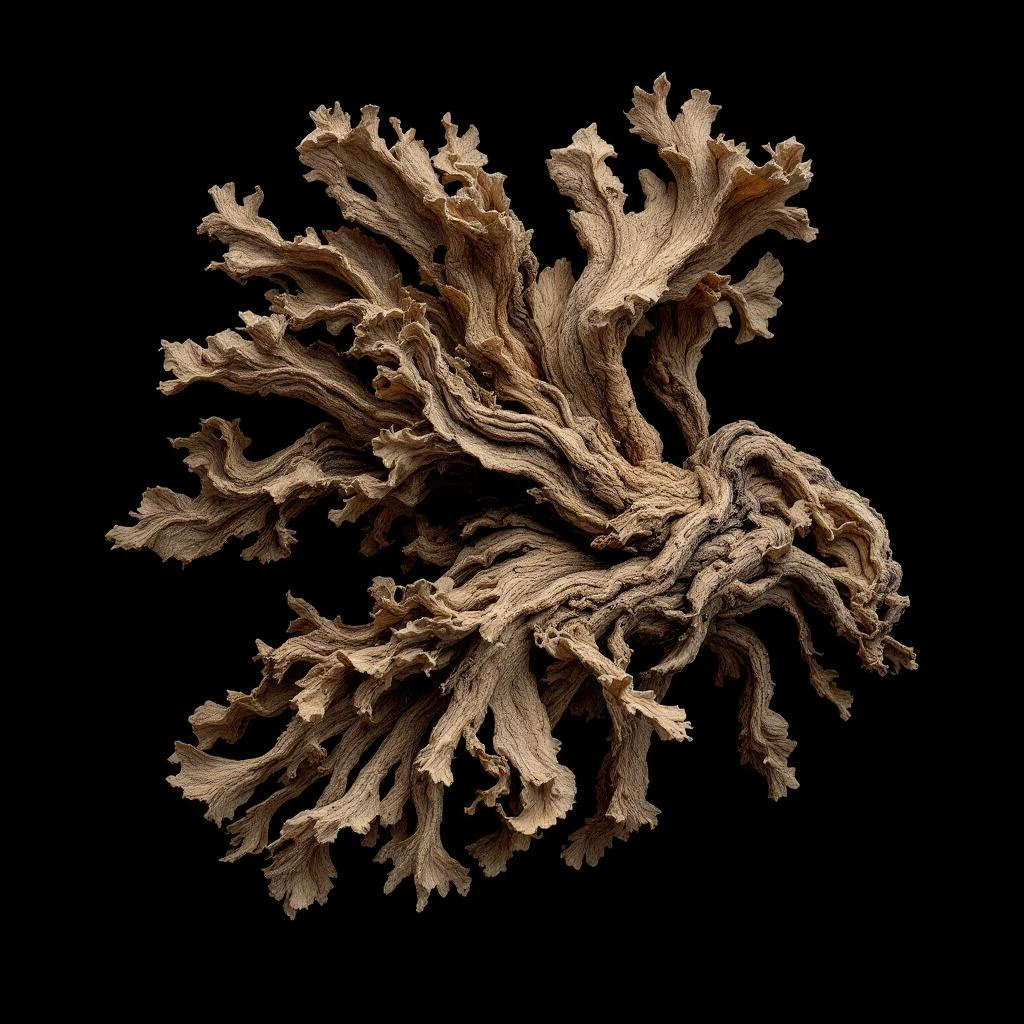
Distilled from the roots of Saussurea costus, costus delivers an intense animalic warmth that evokes warm fur and human hair at full concentration. Diluted, it reveals a sophisticated woody-violet character prized in oriental perfumery for centuries.
Heritage
Costus derives its name from the Greek word for 'coming from the East,' reflecting its ancient status as an imported luxury. The root appears in Talmudic texts as one of eleven ingredients in Saussurea incense, while Pliny the Elder documented both white and black varieties in common use, noting the white type commanded higher prices. Roman records show costus traded at approximately five denarii per pound, placing it among the most valuable spices of the empire. Theophrastus listed it among principal fragrance materials of ancient Greece, and Emperor Seleucus Callinicus reportedly sent costus imported from India as a diplomatic gift around 246 BCE. In Ayurveda it is known as kushta; in traditional Chinese medicine it appears as mu xiang. Ancient cloth merchants used costus oil to protect valuable silks and textiles from moths, while the root was burned in shrines and used as a tonic in hot baths. Today the plant remains under international trade restrictions, and natural costus has been largely replaced by synthetic equivalents in modern perfumery.
At a Glance
1
Feature this note
India
Primary source region
Ingredient Details
Steam distillation
Dried roots
Did You Know
"Roman customs records from the 1st century CE list costus alongside pepper and silk as taxable luxury imports from India."