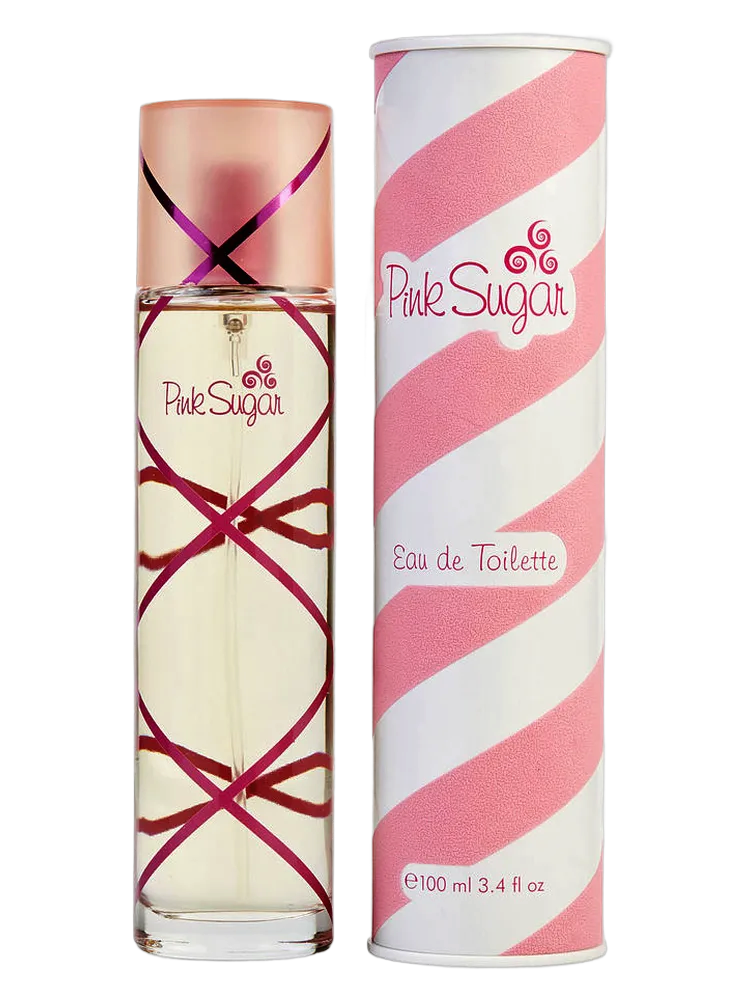

Character
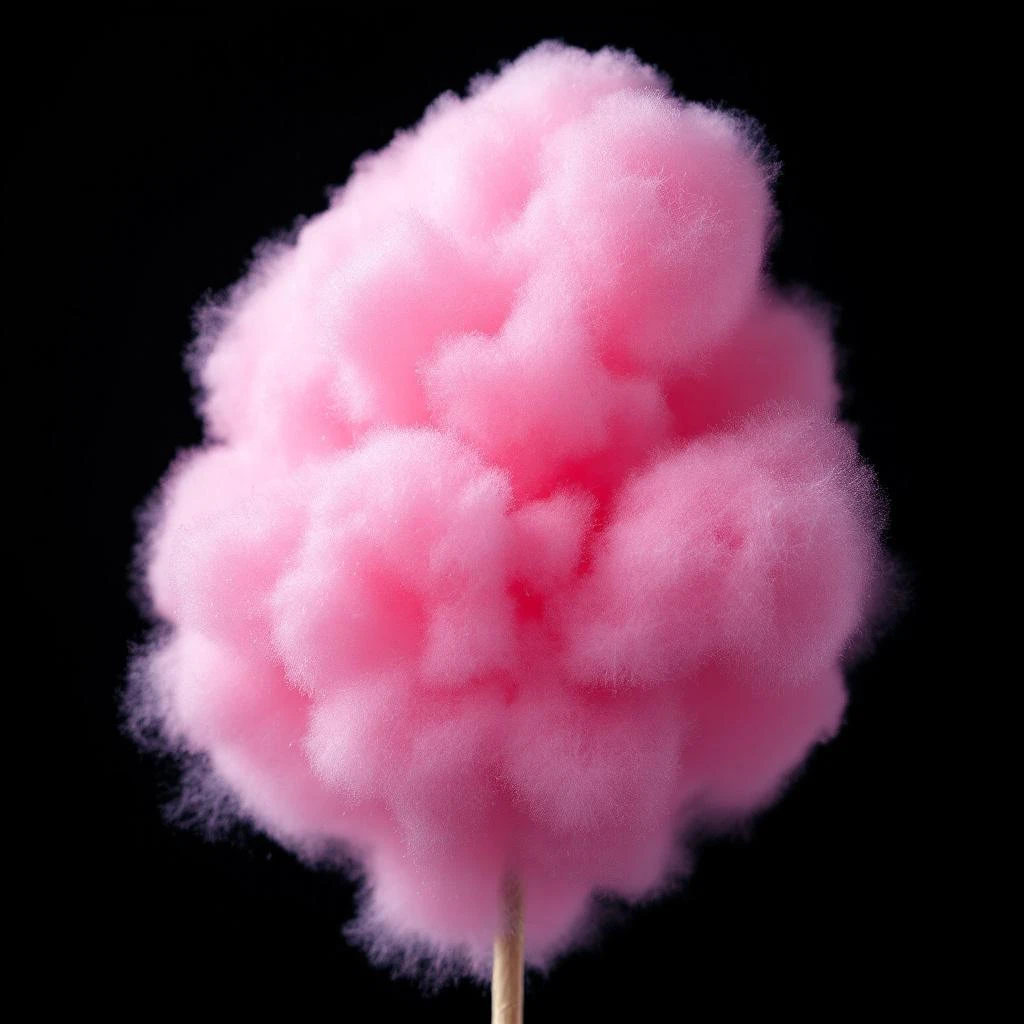
The Story of Cotton Candy
A playful gourmand accord that captures the sugary, airy sweetness of spun sugar. Primarily built on ethyl maltol, cotton candy evokes carefree joy and fairground nostalgia in perfumery.
Heritage
Two Nashville residents invented cotton candy in 1897: dentist William Morrison and confectioner John Wharton. Their creation, originally called “Fairy Floss,” debuted publicly at the St. Louis World’s Fair in 1904, where vendors sold 68,655 boxes at 25 cents each. The treat remained largely unchanged for decades—sugar heated, melted, and spun into fragile threads using nothing but air. Perfumers later adopted its nostalgic aroma, finding that the same sweet, ephemeral quality that makes cotton candy memorable in childhood also makes it compelling in fragrance compositions.
At a Glance
5
Feature this note
United States
Primary source region
Ingredient Details
Synthetic reproduction accord
N/A (synthetic compound)
Did You Know
"Cotton candy contains only two ingredients: sugar and air. The confection is heated to 186°C then rapidly spun into fine threads."
Pyramid Presence