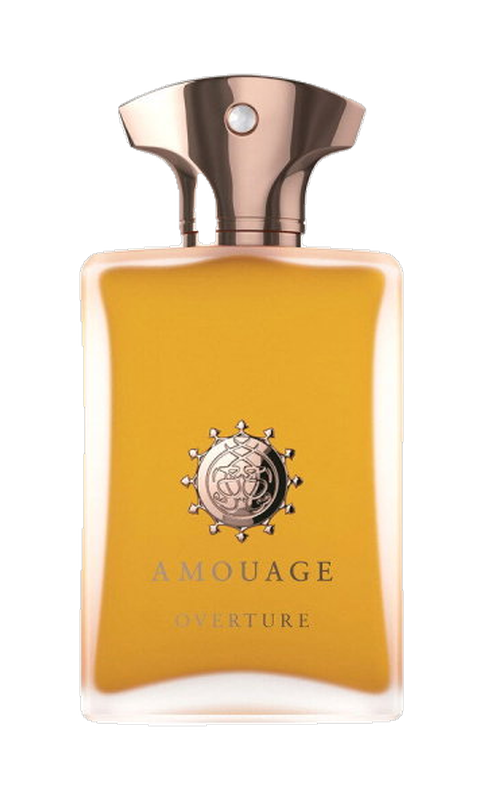
Character
The Story of Cumin
Cumin brings a warm, spicy, and unmistakably earthy character to fragrance compositions. Its aroma carries subtle animalic undertones, a hint of sweat and skin that perfumers prize for adding sensual depth to oriental and woody accords. Though small in dosage, cumin transforms a composition with its exotic, slightly bitter bite.
Heritage
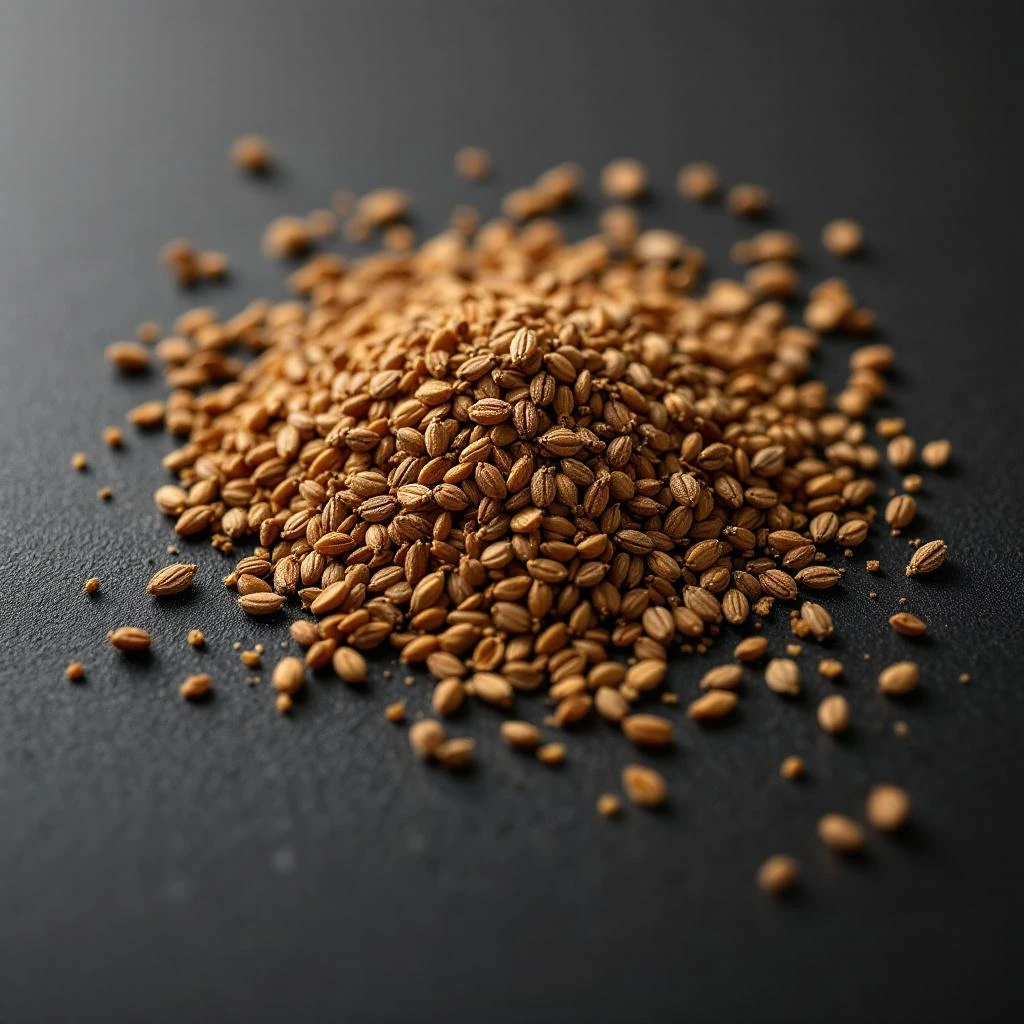
The story of cumin stretches back at least five thousand years, making it one of humanity's oldest cultivated spices. Archaeologists have unearthed cumin seeds in Syrian sites dating to the second millennium BC, and ancient Egyptian tombs contained the spice, likely placed there for its preservative qualities and distinctive scent. The Egyptians used cumin both as a culinary seasoning and in mummification rituals, recognizing early what perfumers would later rediscover: this seed carries an aroma that lingers, penetrates, and transforms.
The name itself traces a linguistic journey across civilizations. From the Akkadian 'kamūnu' to Hebrew 'kammōn', Arabic 'kammun', Greek 'kýminon', and Latin 'cuminum', the word migrated along trade routes as the spice itself traveled from the Levant to every corner of the ancient world. Greek and Roman cultures embraced cumin enthusiastically. The Greeks kept cumin at the table in its own vessel, much as black pepper is offered today, while Roman cuisine made heavy use of its warming properties. Medieval Europe valued cumin so highly that it functioned as currency, a testament to its enduring worth.
In perfumery, cumin found its place relatively recently compared to its culinary history, yet it quickly became indispensable for creating authentic oriental and spicy compositions. Yves Saint Laurent's Opium, launched in 1977, demonstrated cumin's power to add sensual depth and exotic intrigue to a fragrance. Christian Dior's Eau Sauvage employed it with a lighter touch, proving the spice's versatility. Contemporary perfumers continue to prize cumin for its unique ability to bridge the gap between edible warmth and skin-like animalism, a duality that few other ingredients can match.
At a Glance
5
Feature this note
Spicy
Olfactive group
Natural
Botanical origin
Syria
Primary source region
Ingredient Details
Steam distillation
Dried seeds
Did You Know
"Cumin was so prized in medieval Europe that it served as currency, and seeds discovered in Syrian archaeological sites date back to the second millennium BC."
Pyramid Presence