    Ingredient Profile

    Desert Sage fragrance note

    Desert Sage (Artemisia tridentata) is a wild-harvested botanical from the American West, delivering sharp camphor and tingly pine notes that…More

    United States

    1

    Fragrances

    Fragrances featuring Desert Sage

    Character

    The Story of Desert Sage

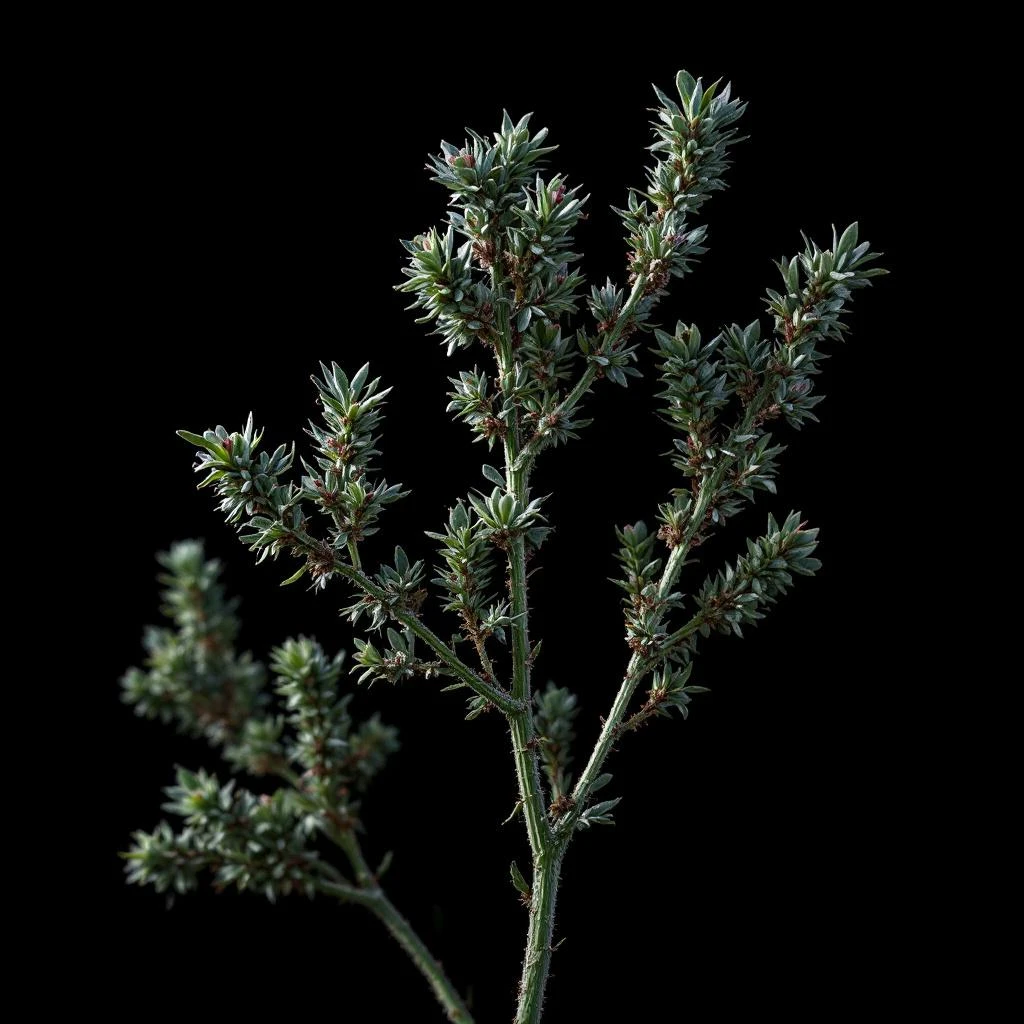
    Desert Sage (Artemisia tridentata) is a wild-harvested botanical from the American West, delivering sharp camphor and tingly pine notes that conjure open skies and rugged terrain.

    Heritage

    Indigenous communities across the American West used Desert Sage in purification rituals and traditional medicine for centuries before it appeared in perfumery. The plant's sharp, cleansing aroma made it a natural fit for ceremonial smudging and spiritual practice. By comparison, Common Sage (Salvia officinalis) traces a different path—it appears in Hungary Water (circa 1370), one of Europe's first alcohol-based perfumes, alongside rosemary. Desert Sage occupies a distinct botanical niche (Artemisia vs. Salvia), though both share that camphoraceous, medicinal directness that perfumers find either essential or overwhelming depending on dosage. Modern fragrance creators increasingly source Desert Sage specifically for its wild, open-country character—a sensory translation of the high desert landscape rather than the herb garden.

    At a Glance

    Fragrances

    1

    Feature this note

    Origin

    United States

    Primary source region

    Ingredient Details

    Extraction

    Steam distillation

    Used Parts

    Fresh leaves

    Did You Know

    "Artemisia tridentata covers over 150 million acres across the Great Basin, making it one of North America's most abundant native shrubs."

    Production

    How Desert Sage Is Made

    Desert Sage is steam distilled from the leaves of wild Artemisia tridentata plants. Harvesters collect fresh foliage during summer months when essential oil concentration peaks, then process it within days to preserve the volatile aromatic compounds. The steam carries the oil from plant cells, and condensation separates the aromatic layer from hydrosol. The result is a thin, colorless liquid with an intensely sharp profile—crisp camphor upfront, supported by a tingly pine undertone and subtle green earthiness. Each batch varies slightly based on elevation, soil composition, and seasonal rainfall, giving perfumers a natural material with consistent character but subtle terroir. Most Desert Sage enters the market through small-scale botanical suppliers rather than large fragrance houses, though independent and niche perfumers prize it for its wild authenticity.

    Provenance

    United States

    United States39.5°N, 116.0°W

    About Desert Sage