Character
The Story of Eau de Cologne mint
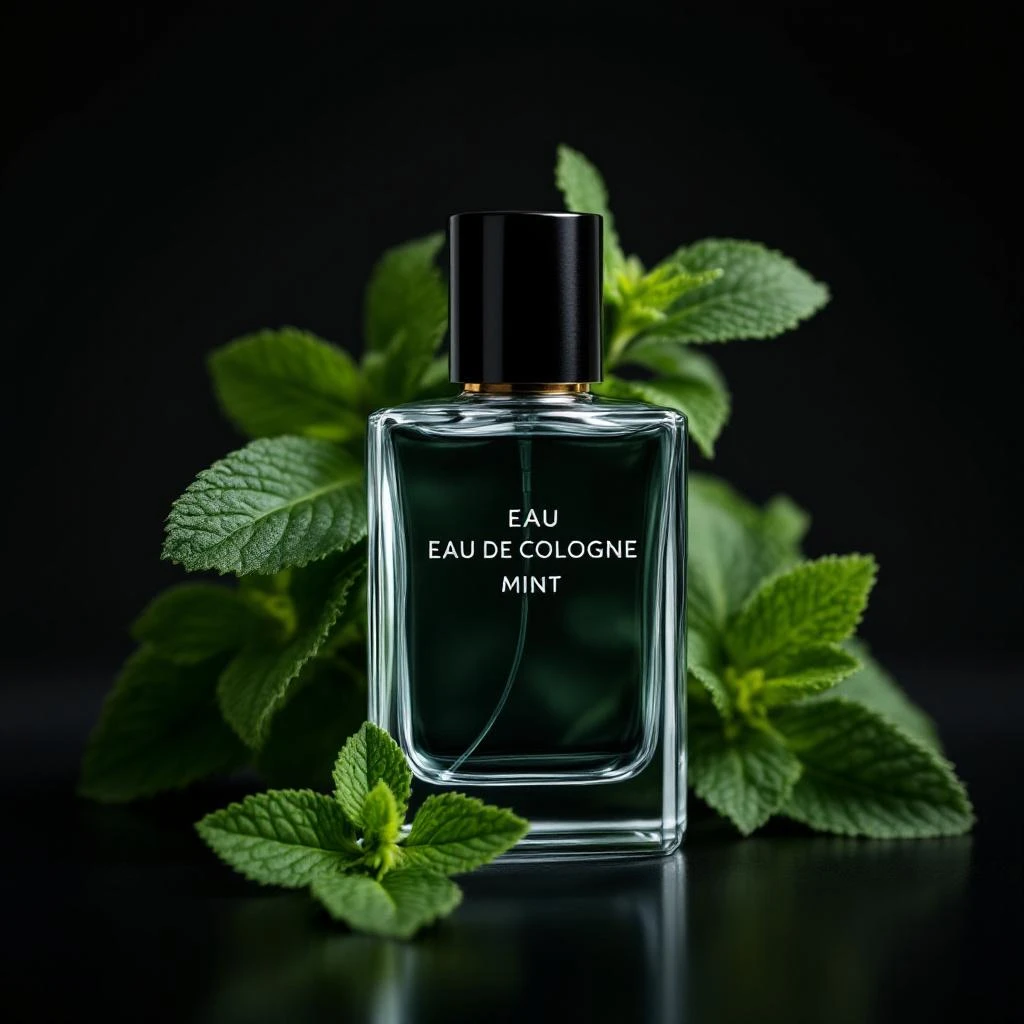
A hybrid mint variety prized in perfumery for its unusual citrus-lavender character, quite unlike the culinary peppermint most people know. Instead of cooling menthol, it offers aromatic freshness with surprising depth.
Heritage
The name Eau de Cologne mint tells you exactly what to expect from the aroma before you even smell it. This mint earned its moniker because its chemical profile mirrors traditional Eau de Cologne fragrances. Like those 18th-century preparations built on citrus and herbal notes, this mint variety leads with linalool and linalyl acetate rather than menthol. The term itself emerged from perfumers recognizing the botanical's unusual chemistry, which they associated with the classic Cologne fragrance family. Unlike many fragrance ingredients with ancient roots, this mint variety represents a more recent botanical development, cultivated specifically for its aromatic properties rather than medicinal or culinary uses. Its commercial cultivation in northern India became significant during the modern era of fragrance industrialization, where consistent supply and specific chemical profiles became essential for large-scale perfume production.
At a Glance
1
Feature this note
India
Primary source region
Ingredient Details
Steam distillation
Aerial parts (leaves and stems)
Did You Know
"Unlike culinary mint, this variety contains almost no menthol. Its dominant compounds are linalool and linalyl acetate, the same chemicals that give lavender its signature scent."