Character
The Story of Egyptian Geranium
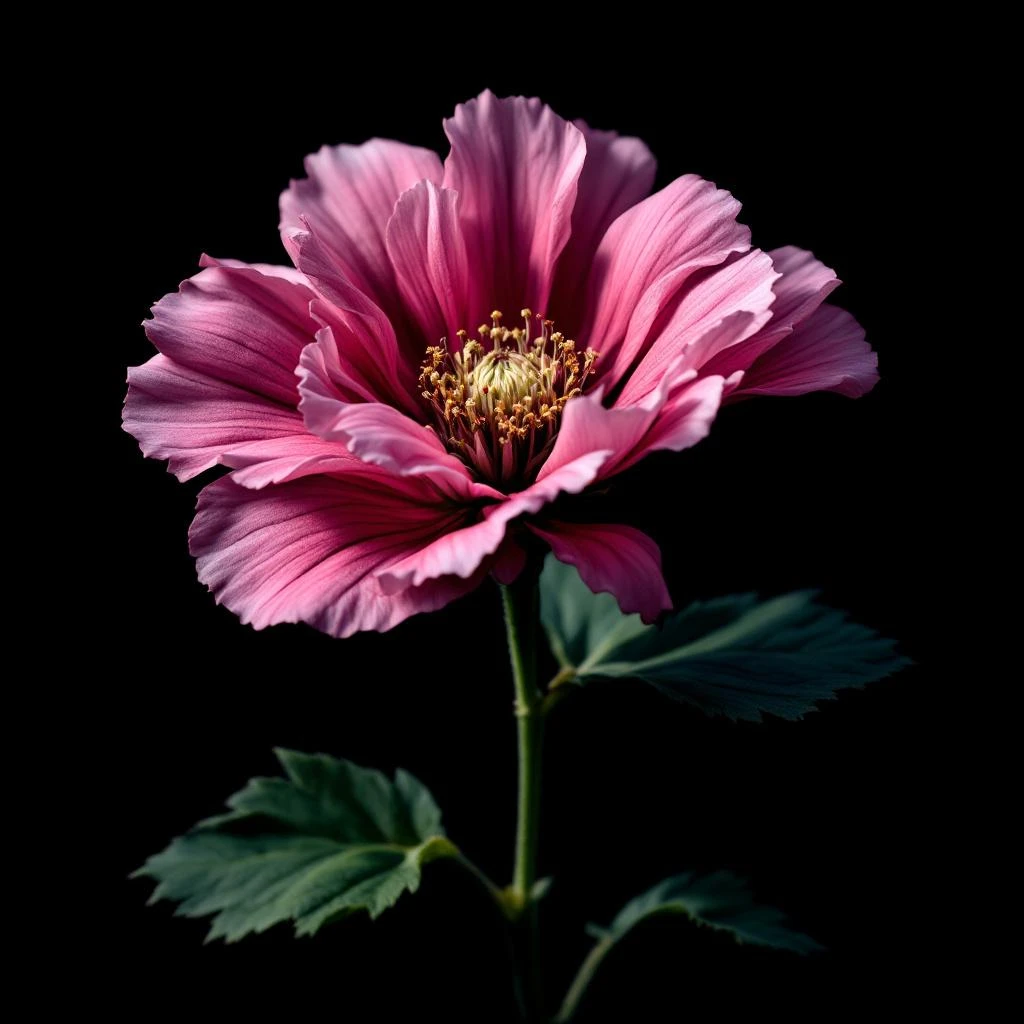
Egyptian Geranium oil carries a sweet, rosy warmth with fresh green and subtle minty undertones. Steam-distilled from Pelargonium graveolens leaves in the Nile Valley, this heart note brings complexity to chypres, fougères, and floral bouquets while offering skin-conditioning benefits that made it prized in ancient perfumery.
Heritage
Pelargonium graveolens found its way to Egypt in the 19th century, likely carried by British colonial botanists who recognized the Nile Valley's potential for cultivating aromatic plants. Egyptian farmers discovered that the region's intense sunlight, mineral-rich soil from annual flooding, and distinct dry climate produced geranium with a sweeter, more refined aromatic character than European-grown varieties. By the early 20th century, Egyptian Geranium oil had established itself in Grasse, the French perfumery capital, where it became a staple in classic fragrances. Ancient Egyptian perfumers did not work with this specific species, but they embraced the geranium family's aromatic traditions, using aromatic plants to create ceremonial scents and skincare preparations. Today, Egypt remains one of the world's primary producers of geranium essential oil, with cultivation centered in Upper Egypt where smallholder farmers maintain traditional growing methods passed down through generations.
At a Glance
1
Feature this note
Egypt
Primary source region
Ingredient Details
Steam distillation
Leaves and flowering tops
Did You Know
"Egyptian geranium leaves are sun-dried before distillation, a practice that enhances the oil's characteristic rosy-mint character through controlled oxidation."