Character
The Story of Exotic floral notes
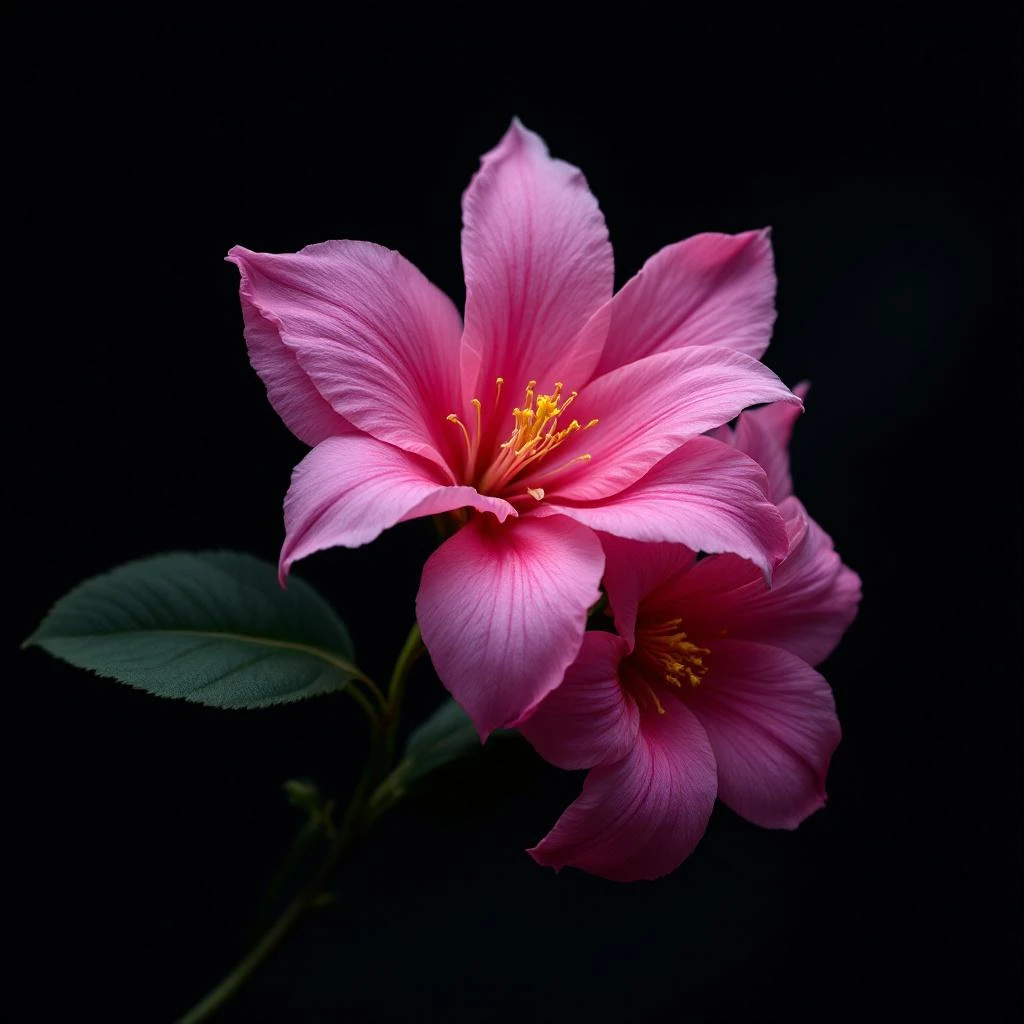
Tropical florals like ylang-ylang, frangipani, tiare, and jasmine transport fragrances into sun-drenched gardens. Their intoxicating, sensual scents capture the warmth of distant places where flowers grow wild and abundant.
Heritage
Exotic florals have shaped perfumery since antiquity. Ancient Egyptians extracted lotus for sacred oils around 2600 BCE, while Mesopotamians and Indus Valley cultures developed early distillation. Persian chemist Avicenna refined steam distillation during the Islamic Golden Age, a breakthrough that still governs aromatic extraction. Middle Eastern trade routes distributed jasmine, ylang-ylang, and other warm-climate florals across continents, creating the foundation for global perfumery. By the 1700s, Grasse had become the European hub for growing jasmine, tuberose, and rose, with cultivators pioneering enfleurage for heat-sensitive blooms. The 19th century shifted perfumery from literal botanical reproduction toward abstract interpretation with synthetic molecules. Chanel No. 5 in 1921 marked the turning point: Ernest Beaux paired jasmine and ylang-ylang with aldehydes, creating an abstract, luminous effect that elevated exotic florals from mimicry to language.
At a Glance
2
Feature this note
India
Primary source region
Ingredient Details
Solvent extraction / Steam distillation / Enfleurage
Flower petals / Flower buds / Full flowers
Did You Know
"Chanel No. 5 launched in 1921 as the first abstract floral, using jasmine and ylang-ylang to smell like the idea of a flower, not a literal one."
Pyramid Presence