Character
The Story of Fennel
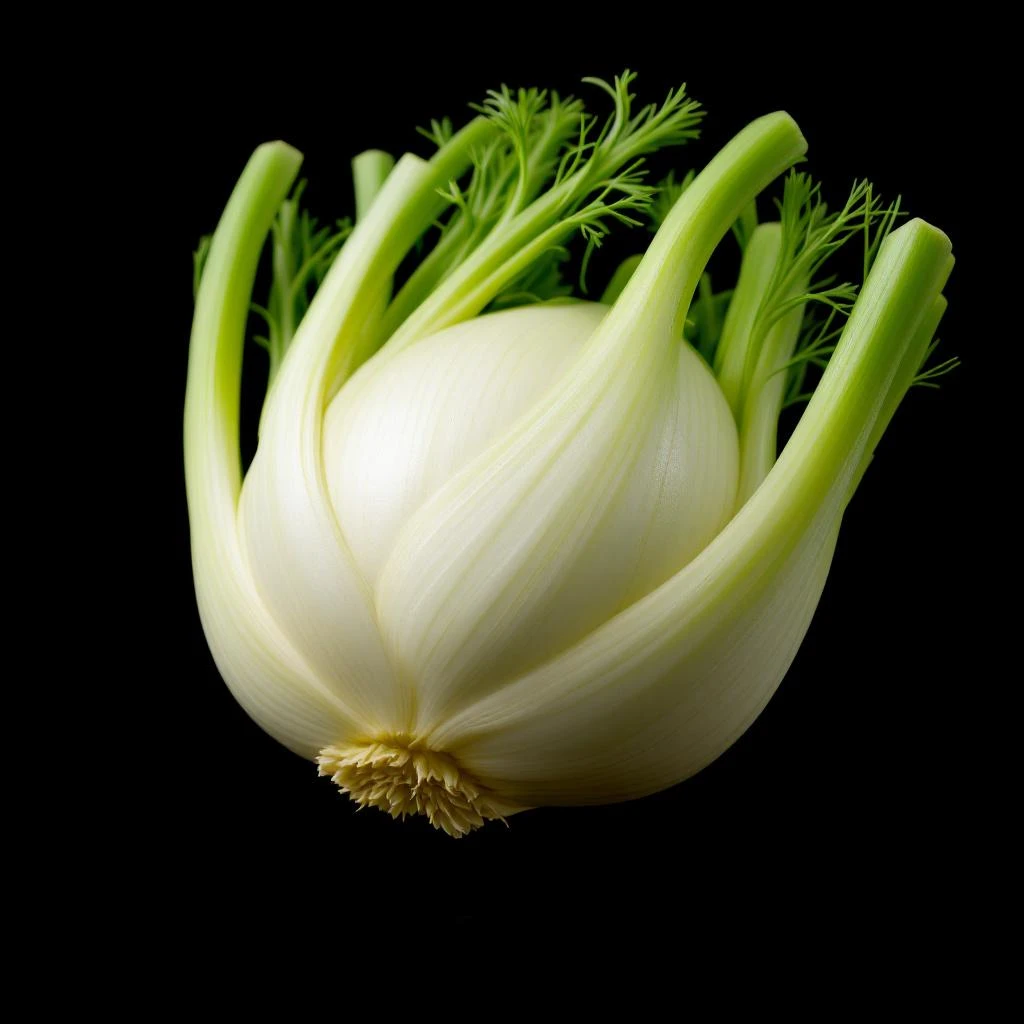
Fennel brings an unmistakable anise clarity to fragrance compositions, its sweet, herbaceous character shaped by trans-anethole and estragole. Steam-distilled from the seeds of Foeniculum vulgare, this Mediterranean native bridges aromatic traditions across perfumery, gastronomy, and herbal medicine with a scent that is simultaneously sharp and softly woody.
Heritage
Fennel holds one of the oldest documented places among medicinal plants. Ancient Egyptians cultivated it along the Nile, while Greek physicians Hippocrates and Dioscorides prescribed it for digestive ailments and respiratory conditions. The Romans believed fennel conferred strength and courage, carrying it in processions and hanging it above doorways. During the Middle Ages, Benedictine monks cultivated fennel in monastery gardens for both culinary and medicinal purposes. The plant traveled eastward along Silk Road routes, embedding itself in Ayurvedic practice. Its systematic use in perfumery dates to 19th-century French toilet waters, where sweet fennel oil provided herbal freshness before synthetic aromatics expanded the perfumer's palette.
At a Glance
2
Feature this note
Mediterranean Basin (Italy, France, Spain)
Primary source region
Ingredient Details
Steam distillation
Dried fruit (seeds)
Did You Know
"Florence fennel bulbs sold in American markets are labeled 'anise' because their anethole-rich profile delivers that unmistakable black licorice aroma."
Pyramid Presence