Character
The Story of Fig Tree
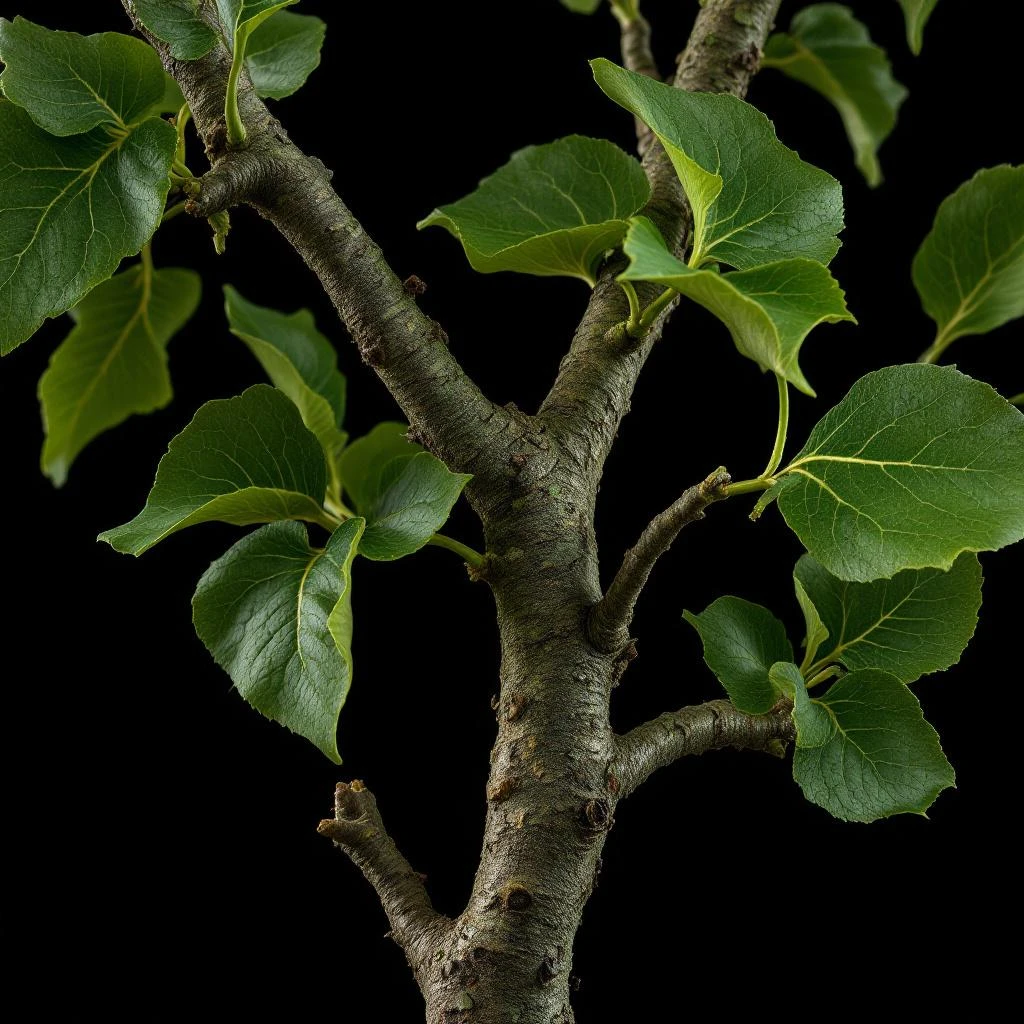
Fig Tree offers perfumery a rare duality: crisp green freshness from the leaves paired with warm, milky creaminess from the fruit and woody depth from the bark. This combination bridges earthy, creamy, and green scent families, creating a natural, quietly luxurious effect that avoids overt sweetness.
Heritage
The fig tree carries one of the oldest relationships with human civilization. Subfossils from a Neolithic village in the Near East, dating to 9400-9200 BC, suggest figs were among the first fruits ever deliberately cultivated by humans. Ancient Greeks linked the fig to Dionysus and fertility, while Romans developed dozens of varieties for food and trade. The tree appears prominently in religious texts, including the biblical story of Adam and Eve, where fig leaves became humanity's first garments. Despite centuries of use in food, medicine, and ritual, fig remained absent from Western perfumery until relatively recently. The breakthrough came in 1994 when perfumer Olivia Giacobetti created Premier Figuier for L'Artisan Parfumeur. Rather than focusing solely on the fruit, she captured the entire tree experience, from verdant leaf to sun-warmed wood. This solifruit approach transformed fig from an obscure note into a signature ingredient celebrated for its complexity and Mediterranean character.
At a Glance
1
Feature this note
Mediterranean region (Western Asia)
Primary source region
Ingredient Details
Accord recreation using natural and synthetic aroma molecules
Leaves, bark, and fruit (recreated through accord)
Did You Know
"Archaeological evidence suggests figs were among the first fruits cultivated by humans, with subfossils dating to 9400 BC found in a Neolithic village."