Character
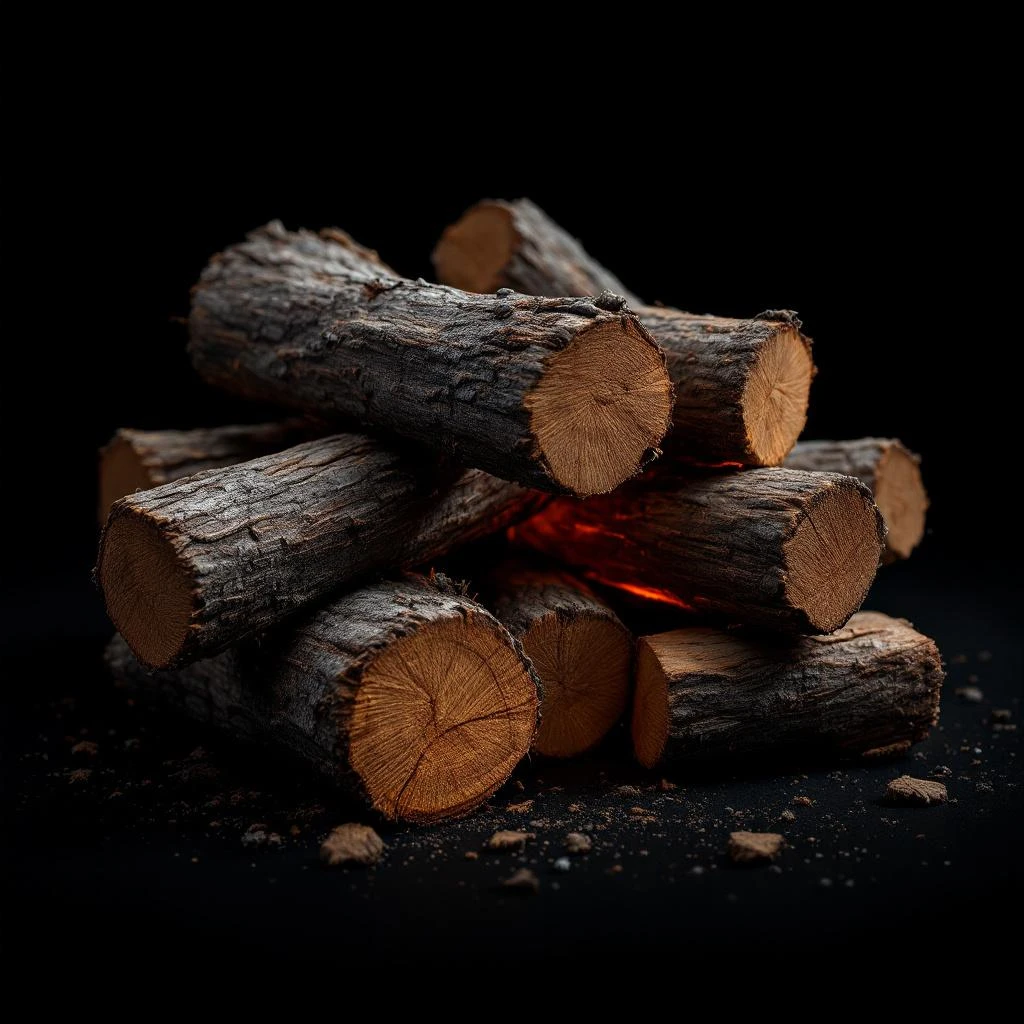
The Story of Firewood
Oud, derived from resin-infected Aquilaria heartwood, is one of the world's most prized fragrance ingredients. Its complex aroma combines earthy, animalic, and smoky facets with sweet balsamic undertones. In perfumery, oud functions as both a signature base note and a natural fixative that extends the longevity of a fragrance composition.
Heritage
References to agarwood appear in Sanskrit texts from around 2000 BCE, where it was called gaharu and described as praana, the spirit of life. Ancient Indian physicians, including Sushruta in his seminal medical treatise, documented oud's therapeutic applications for treating inflammation and other ailments. The ingredient moved westward through trade routes, with pharaonic Egypt incorporating oud into embalming rituals for nobility.
Chinese records from the Han dynasty period document agarwood's use in funerary practices, while Buddhist traditions throughout East Asia elevated the material as sacred incense for meditation ceremonies. Japanese classical texts mention Cambodian-sourced scented wood as early as the eighth century. The Silk Road carried agarwood from these eastern origins into Arabian markets, where it became integral to Gulf cultural traditions. Today, oud persists as a bridge between Eastern heritage and Western luxury perfumery, gracing compositions from houses including Tom Ford, Dior, and Creed.
At a Glance
2
Feature this note
Vietnam
Primary source region
Ingredient Details
Steam hydrodistillation
Resin-infected heartwood
Did You Know
"Only 2% of Aquilaria trees naturally produce oud resin, making high-quality oil worth more than gold by weight."