Character
The Story of Floral Notes
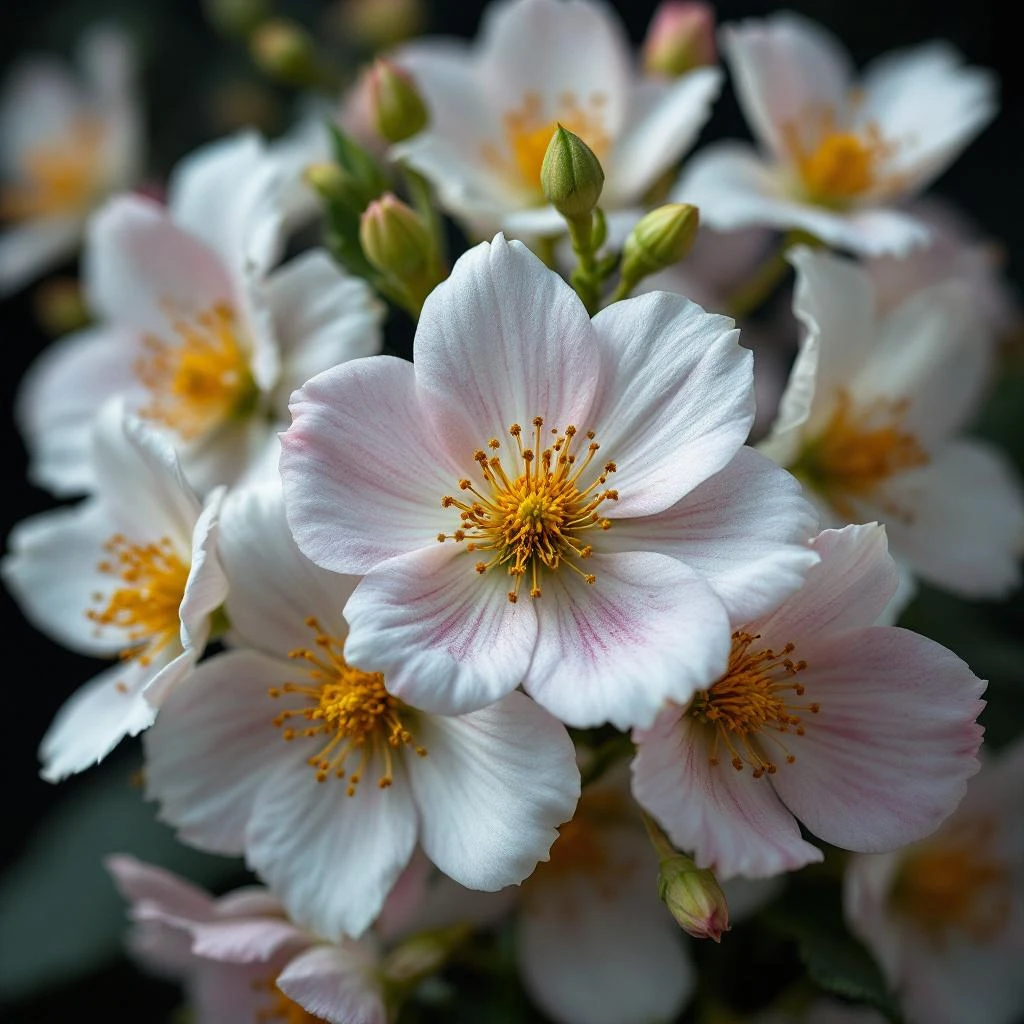
Floral notes form the heart of most perfumes, encompassing roses, jasmine, violets, and other blossoms. They range from light and airy to rich and sensual, creating romantic, feminine, or fresh compositions that define the emotional core of a fragrance and connect wearers to nature's most intimate scents.
Heritage
Floral notes have anchored perfumery since ancient civilizations first distilled rose water in Persia and the Middle East, trading these precious essences along Silk Road routes. By the 19th century, Grasse had become the global capital of floral cultivation, with Rosa Centifolia from its surrounding fields considered the world's finest rose for fragrance. The 1893 synthesis of ionone, which captures violet's aroma, marked the first major step toward reconstructing flowers that resisted extraction. When Firmenich introduced hedione in 1962, it unlocked new possibilities for floral composition, allowing perfumers to build radiant, diffusive accords that behaved unlike any natural material, fundamentally reshaping modern fragrance architecture.
At a Glance
1
Feature this note
France
Primary source region
Ingredient Details
Multiple methods including steam distillation, solvent extraction, CO2 extraction, and enfleurage
Flower petals and blossoms
Did You Know
"Hedione, a synthetic molecule introduced by Firmenich in 1962, mimics jasmine's freshness and now appears in over 80% of modern fragrances, revolutionizing how perfumers construct floral accords."