Character
The Story of Florentine iris absolute
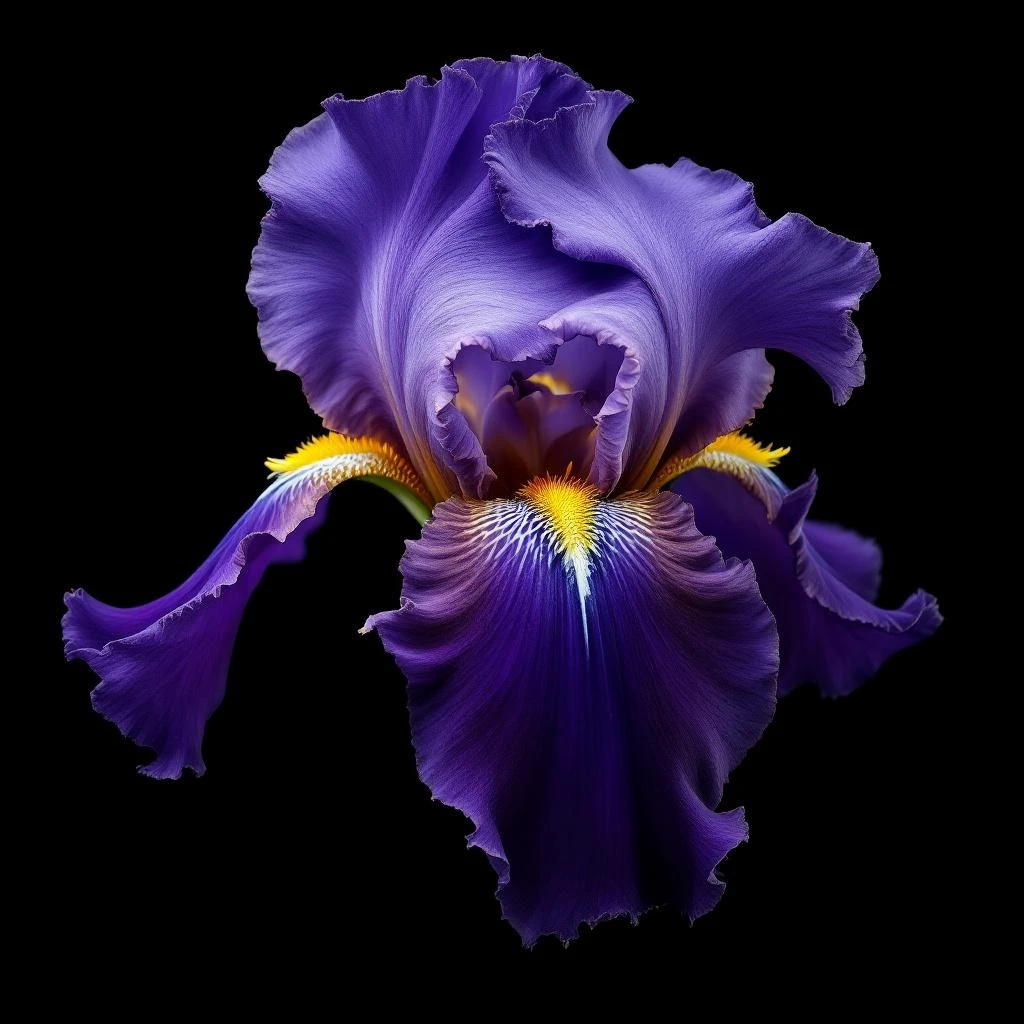
Florentine iris absolute captures the powdery, violet-like heart of Tuscan iris rhizomes aged for six years under the Tuscan sun. Its ethereal, slightly waxy warmth elevates fragrances into the realm of haute perfumery.
Heritage
The iris has been intertwined with human civilization for millennia. In Greek mythology, Iris served as the divine messenger to the gods, her name literally meaning rainbow—a connection that gave the flower its poetic moniker, Scarf of Iris. Ancient perfumers in Macedonia, Elis, and Corinth were already crafting renowned unguents from orris root, a practice well documented by Theophrastus and Dioscorides. The city of Florence itself bears the iris on its coat of arms—the white lily on a red shield is not a lily at all, but Iris florentina, evidence that Tuscan cultivation of this plant dates back to at least the medieval era. The ingredient crossed into French refinement through Catherine de' Medici herself, who introduced the powdered root to the French court in the sixteenth century, forever changing the landscape of European perfumery. Roman physicians used orris root in their remedies, and Pliny documented the best specimens hailing from Illyricum, modern-day Dalmatia. Today, beyond perfumery, orris root finds its way into quality gins—notably Bombay Sapphire—and into face powders and talcum powders, a testament to its enduring versatility.
At a Glance
1
Feature this note
Italy
Primary source region
Ingredient Details
Solvent extraction
Rhizomes
Did You Know
"The iris rhizome is completely odorless when first harvested. Its signature violet note only emerges after three years of careful drying, making fresh orris root essentially scentless."