Character
The Story of Frankincense
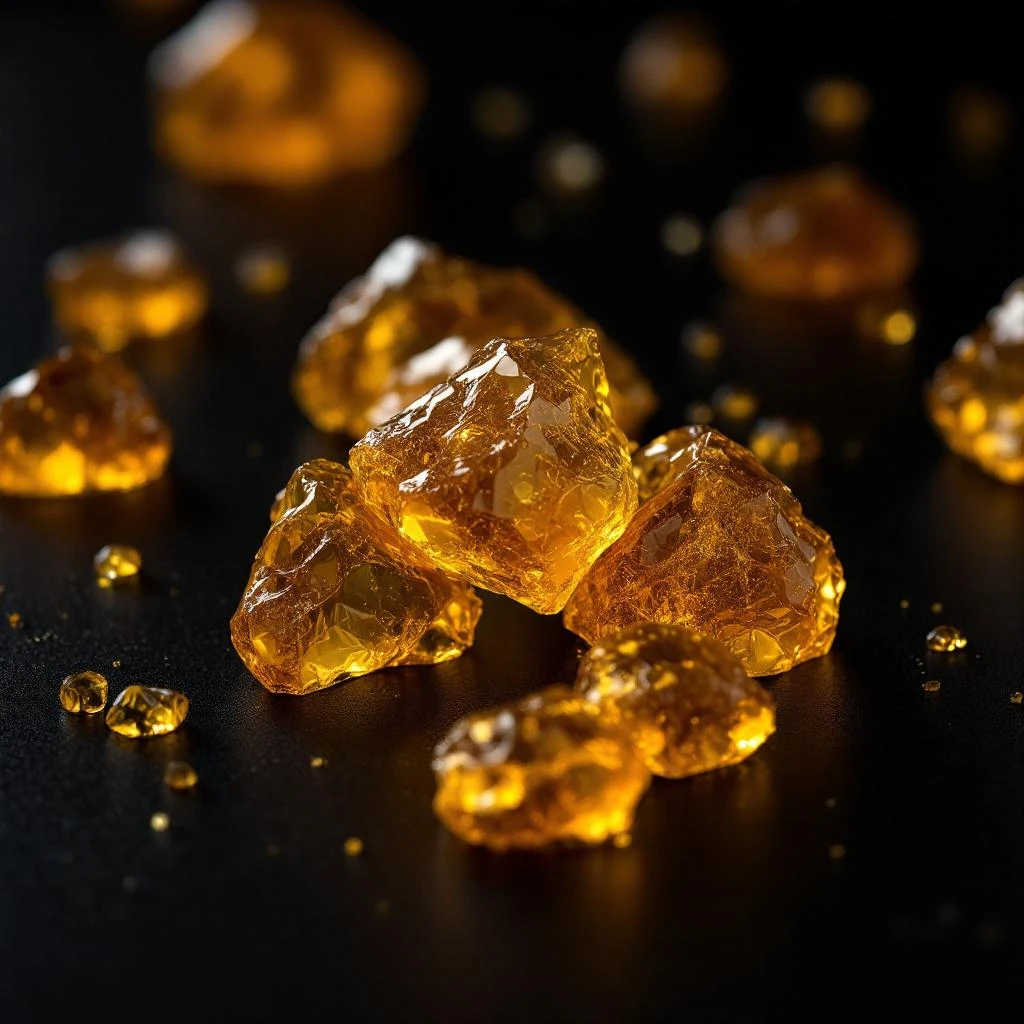
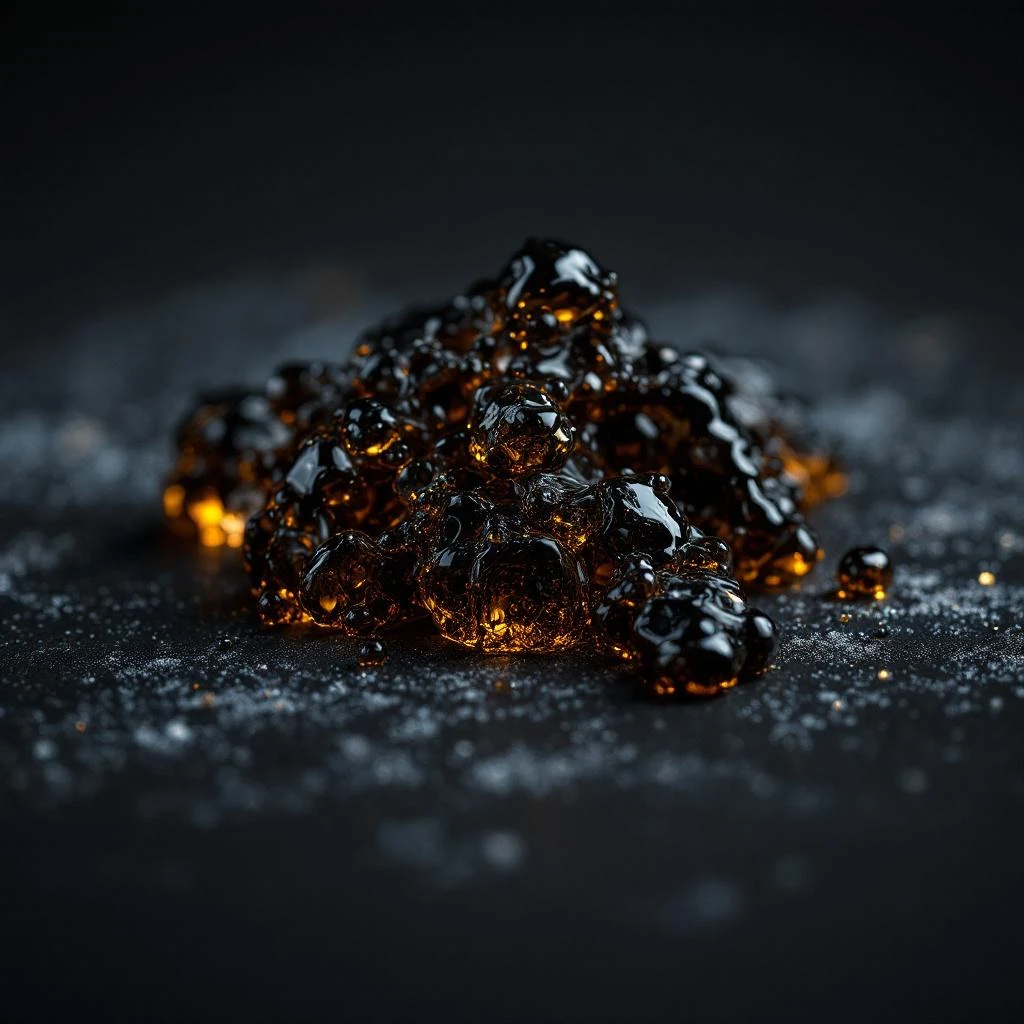
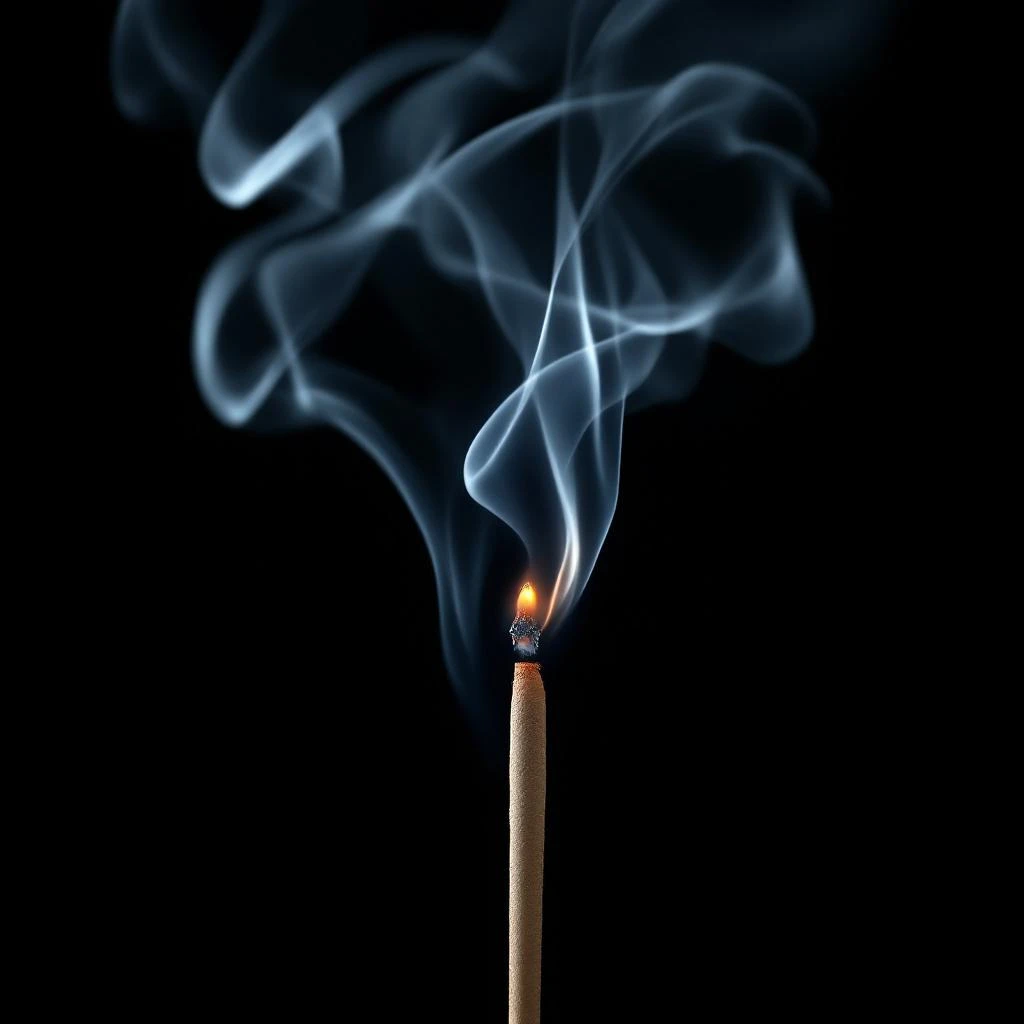
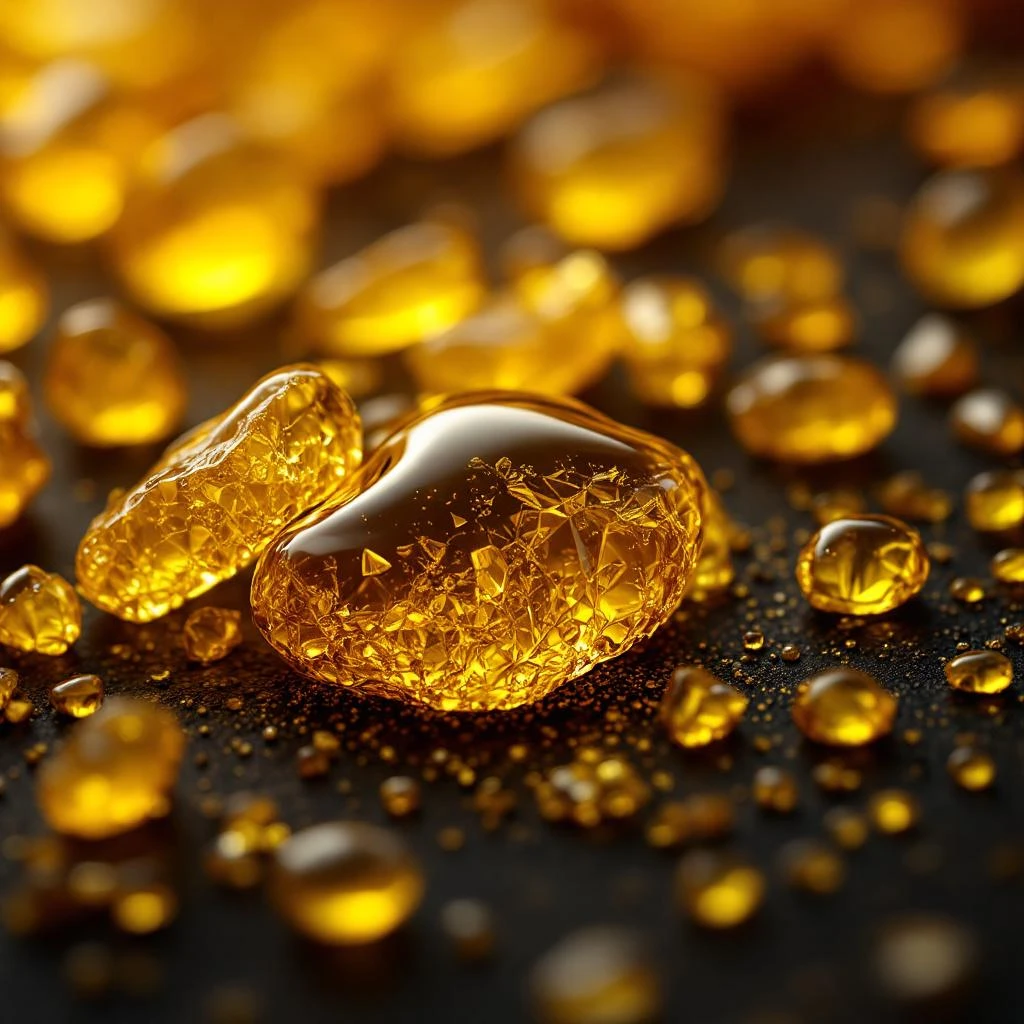
Frankincense, also known as olibanum, is an ancient aromatic resin harvested from Boswellia trees that provides a complex balsamic profile with bright citrus top notes, warm spice, and deep woody undertones. Used for over 5,000 years in religious ceremonies and fine perfumery, this sacred material brings spiritual depth and meditative qualities to both incense and fragrance compositions.
Heritage
Frankincense is arguably the oldest aromatic material in continuous human use, its smoke rising from temples and shrines across every inhabited continent for thousands of years. The ancient Egyptians burned enormous quantities in their rituals, and the famed kyphi, a complex incense blend of sixteen ingredients, was burned at sunset to honor Ra's journey through the underworld. The Frankincense Trail, one of antiquity's most important trade routes, stretched from the Dhofar coast of Oman through the Arabian Peninsula to the ports of Gaza and Alexandria, a journey of roughly 2,400 kilometers that took caravans two months to complete. At its peak, frankincense was valued by weight alongside gold and precious stones.
In the Judeo-Christian tradition, frankincense was one of the three gifts presented to the infant Jesus by the Magi, symbolizing divinity alongside gold for kingship and myrrh for mortality. Buddhist, Hindu, and Shinto traditions all employ incense in meditation and worship, and the Japanese elevated incense appreciation to a formal art, kodo or "the way of incense," during the Muromachi period in the fifteenth century. In Western perfumery, frankincense experienced a dramatic revival in the late twentieth century as perfumers like Olivia Giacobetti and Bertrand Duchaufour began exploring its smoky, sacred character in compositions that brought the temple into everyday life. Today it anchors some of the most revered fragrances in the niche and luxury markets.
At a Glance
276
Feature this note
Balsamic
Olfactive group
Natural
Botanical origin
Somalia
Primary source region
Ingredient Details
Steam distillation or CO2 extraction
Dried resin tears
Did You Know
"In 1621, the Dutch East India Company seized control of the Banda Islands through violence, and in 1667 traded the island of Manhattan to the English in exchange for Run, a tiny island valued only for its nutmeg and frankincense trade."
Pyramid Presence