Character
The Story of French Beeswax
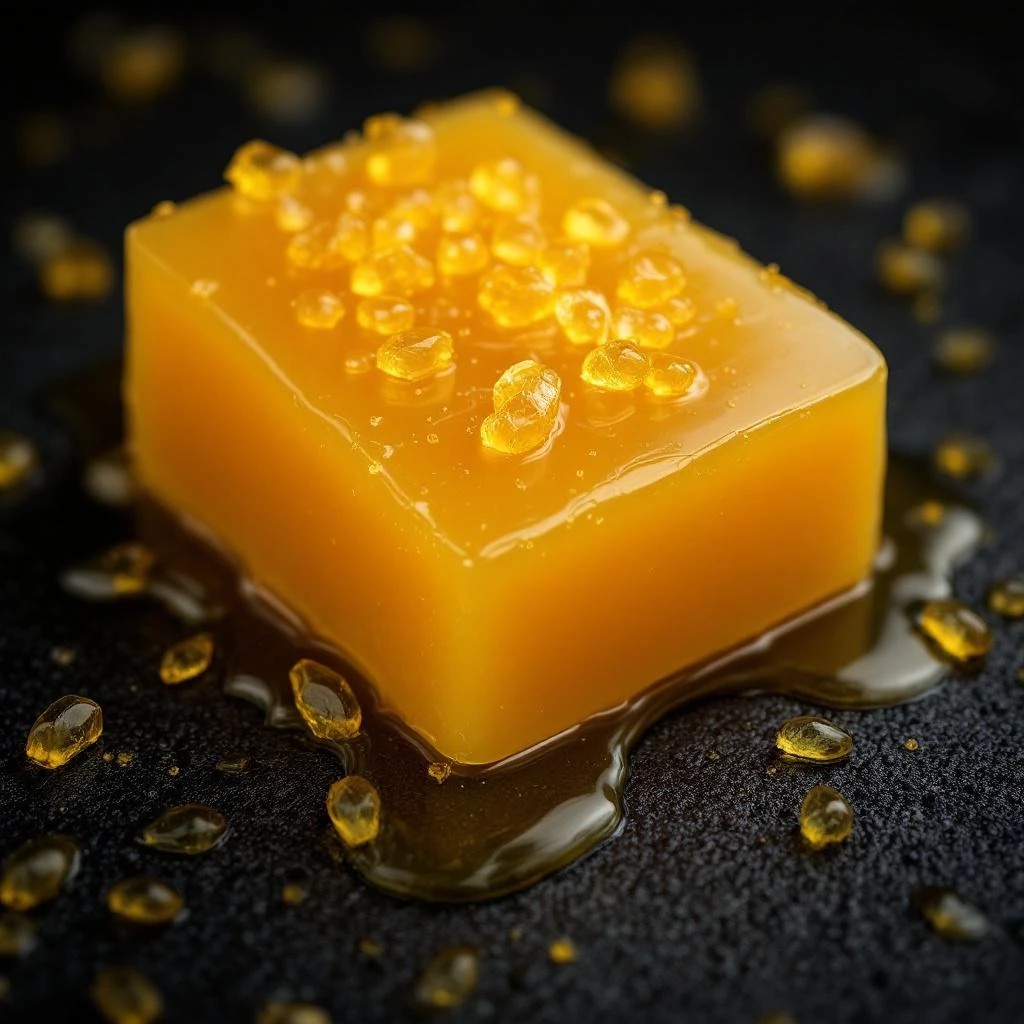
French beeswax carries a warm, honey‑gold glow with subtle amber and floral whispers, offering a natural base that steadies and enriches perfume compositions.
Heritage
The use of beeswax in fragrance dates back to ancient Egypt, where it served both as a sealing medium and a scent carrier in temple incense. By the Middle Ages, French apothecaries refined the material, extracting it from local hives to blend with herbal tinctures and floral absolutes. In the 17th century, Parisian perfumers began incorporating French beeswax into the emerging eau de parfum formula, appreciating its ability to soften volatile top notes and extend the perfume’s dry‑down. The French court of Louis XV favored scented wax tablets, known as “cire parfumée,” as personal fragrance objects. With the advent of synthetic aromatics in the late 19th century, beeswax retained a niche as a natural fixative, prized for its warm, honeyed background. Today, artisanal houses continue to source French beeswax from certified organic apiaries, honoring a tradition that bridges centuries of olfactory craft.
At a Glance
3
Feature this note
France
Primary source region
Ingredient Details
Melting and filtration
Honeycomb wax
Did You Know
"French beekeepers still harvest beeswax using centuries‑old wooden frames, preserving a wax that contains up to 15 % natural propolis, which adds a faint resinous nuance to its scent profile."
Pyramid Presence