
Character
The Story of Galangal
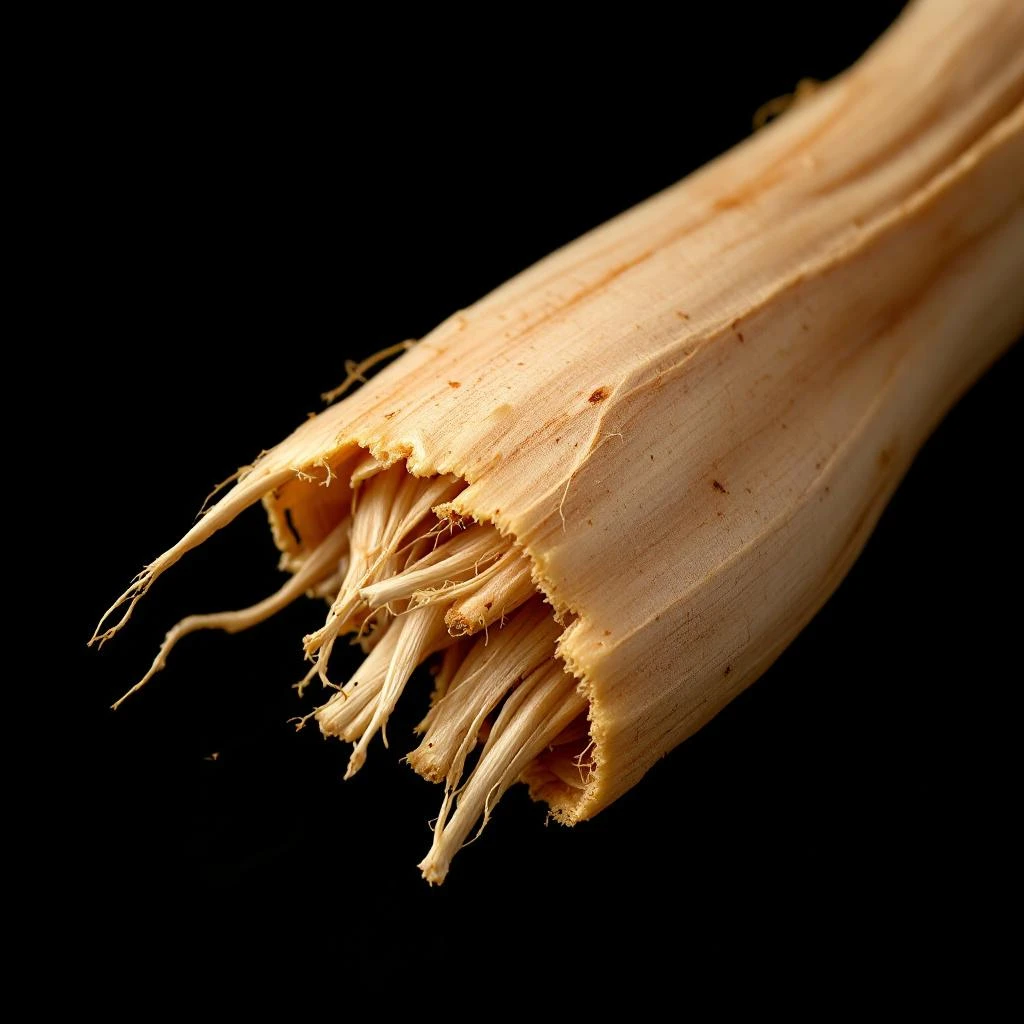
Galangal delivers a crisp, peppery bite with bright citrus sparks and a subtle woody undercurrent, making it a striking accent in modern fragrance blends.
Heritage
Ancient Egyptian texts record that galangal was burned as a fumigant to cleanse temple air, a practice noted by Plutarch around AD 100. Traders carried the root along the maritime spice routes linking Southeast Asia with the Middle East, where Arab alchemists first applied rudimentary distillation to extract its aromatic essence. By the 16th century, galangal appeared in European herbals as a medicinal spice, prized for its warming properties. In traditional Thai and Indonesian medicine, the rhizome treated digestive ailments, reinforcing its reputation as a functional spice. The 19th‑century rise of industrial steam distillation refined the extraction process, allowing perfumers to incorporate galangal oil into niche fragrances that celebrate its bright, peppery character.
At a Glance
3
Feature this note
Indonesia
Primary source region
Ingredient Details
Steam distillation
Fresh rhizomes
Did You Know
"Galangal oil contains up to 30 % 1,8‑cineole, a compound that also gives eucalyptus its characteristic cool breath, giving the note a natural, invigorating chill."
Pyramid Presence