Character
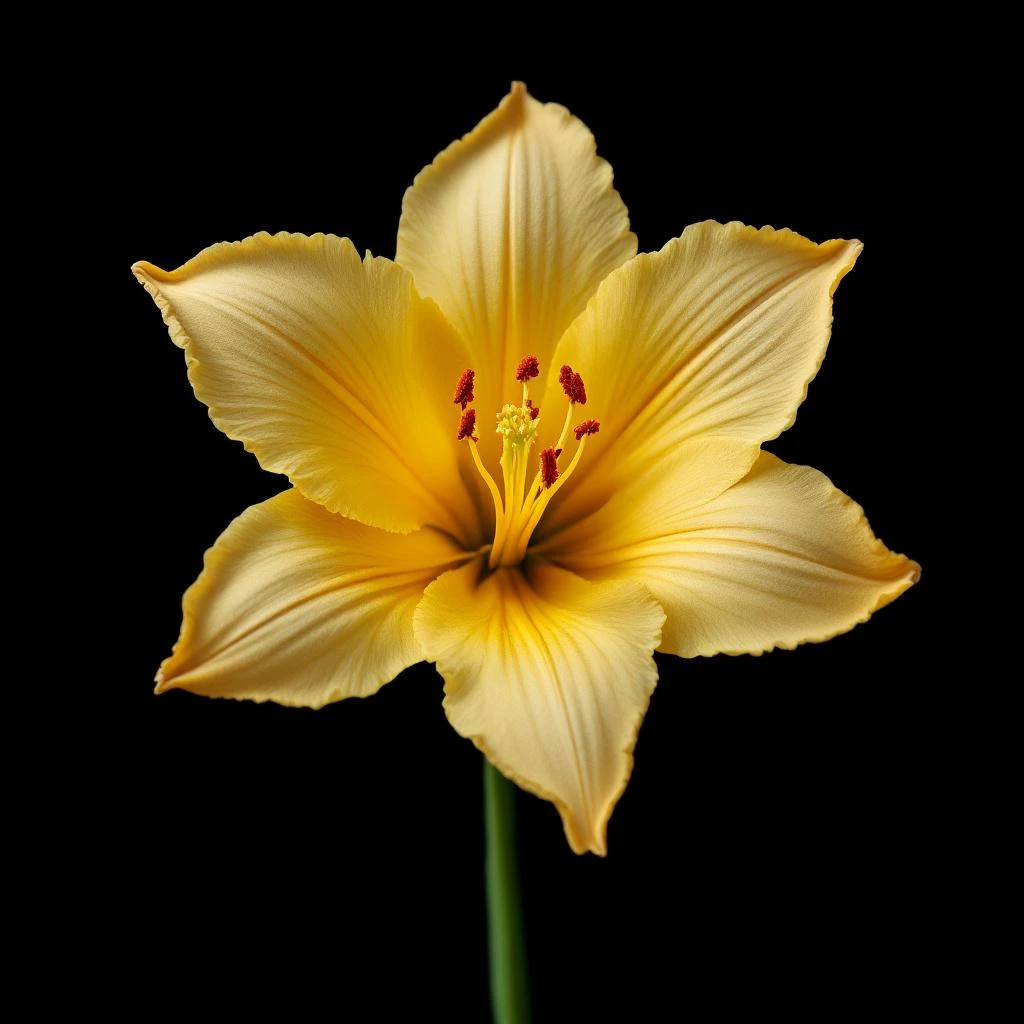
The Story of Ginger flower
Zingiber officinale offers perfumers a rare combination: warm spice, bright green citrus, and a clean electrical energy that keeps fragrance alive on skin for hours.
Heritage
Ginger has been central to healing traditions across Southeast Asia for over five thousand years, appearing in Sanskrit medical texts and serving as both medicine and sacred offering across India and China. Islamic traders carried it westward along established spice routes, and it reached the Mediterranean by the 1st century CE. Greek and Roman physicians including Dioscorides documented ginger's aromatic properties, and Arab traders introduced it to European court kitchens and early perfumery practices. By the 13th century, ginger appeared in scented gloves produced in Grasse alongside rose and jasmine. For centuries it served as a supporting player in heavy oriental constructions, lending depth to resin-based compositions. The 1990s sport fragrance explosion repositioned ginger as a feature note for the first time, and its rise coincided with growing interest in other East Asian botanicals like cardamom. Modern perfumery now treats ginger as an indispensable tool for adding warmth and clean energy to both masculine and feminine compositions.
At a Glance
2
Feature this note
India
Primary source region
Ingredient Details
Steam distillation or CO2 supercritical extraction
Rhizome (root)
Did You Know
"Ancient physicians burned ginger root alongside frankincense in temples, creating one of the earliest recorded uses of aromatic spices in ritual."