Character
The Story of Green Accord
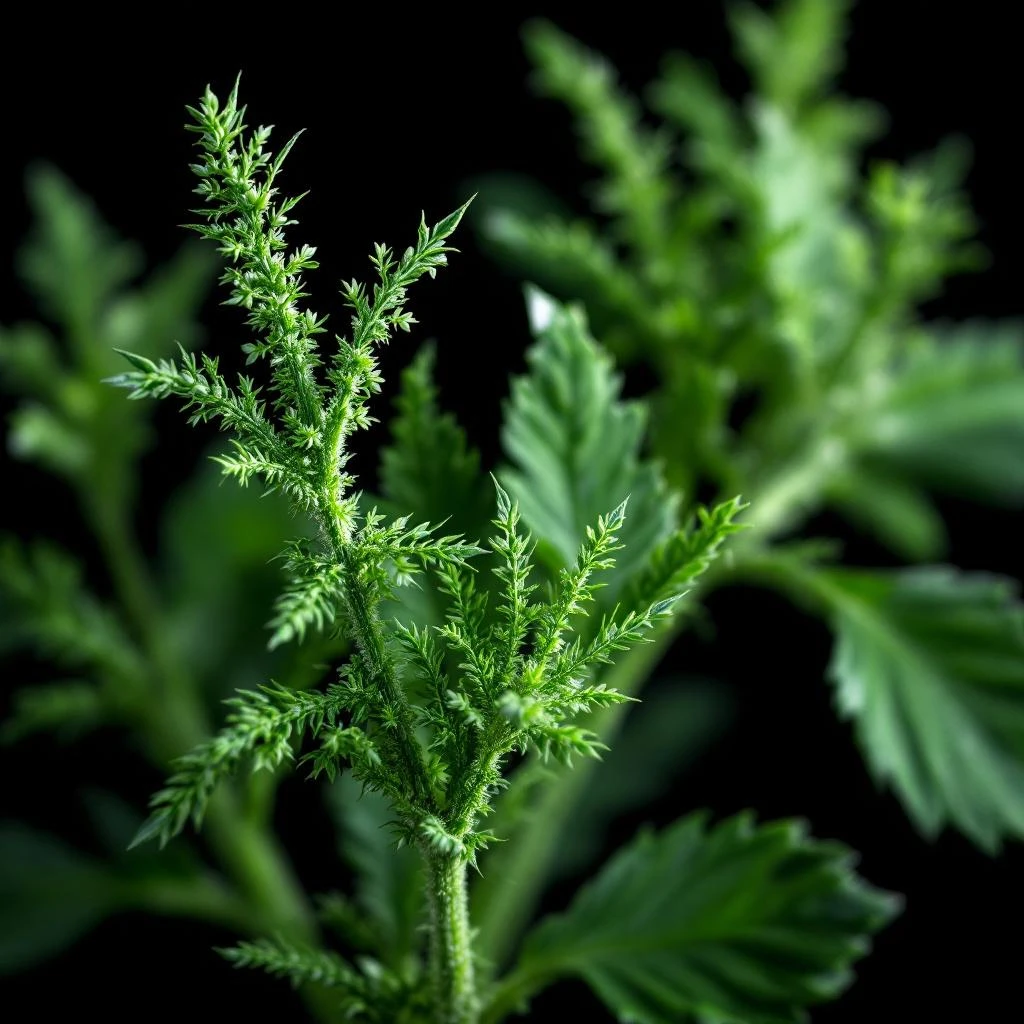
Green Accord recreates the scent of crushed leaves, stems and morning dew through a blend of synthetic aroma chemicals. Rather than a single ingredient, it is a molecular composition that captures the fresh, vital essence of vegetation. Perfumers use it to inject vibrancy and natural energy into both feminine and masculine compositions.
Heritage
Before the synthetic chemistry breakthroughs of the early 20th century, perfumers had limited green options. Galbanum resin, violet leaf absolute, and oakmoss served as the primary green ingredients available. Everything changed in 1947 when Pierre Balmain collaborated with Germaine Cellier to launch Vent Vert. Its bold galbanum content represented a radical departure from the heavy florals dominating perfumery at the time. The public response was immediate and transformative. Post-war consumers associated green scents with renewal and vitality. Within years, Chanel integrated galbanum into №19 while Dior used it to modernize their chypre structure in Miss Dior. These launches established green accords as essential perfumery vocabulary, and the trend accelerated through the 1950s as masculine fragrances like Pino Silvestre combined green herbs with coniferous elements.
At a Glance
2
Feature this note
France
Primary source region
Ingredient Details
Synthetic
Aroma chemicals (no botanical parts used)
Did You Know
"Balmain's Vent Vert (1947) contained an unprecedented 8% galbanum concentration, shocking the perfumery world and launching the green fragrance trend."
Pyramid Presence