Character
The Story of Green Tea
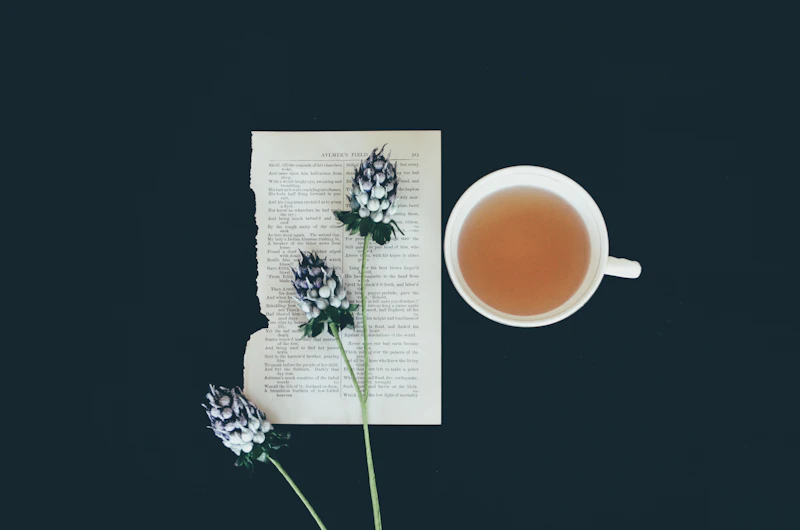
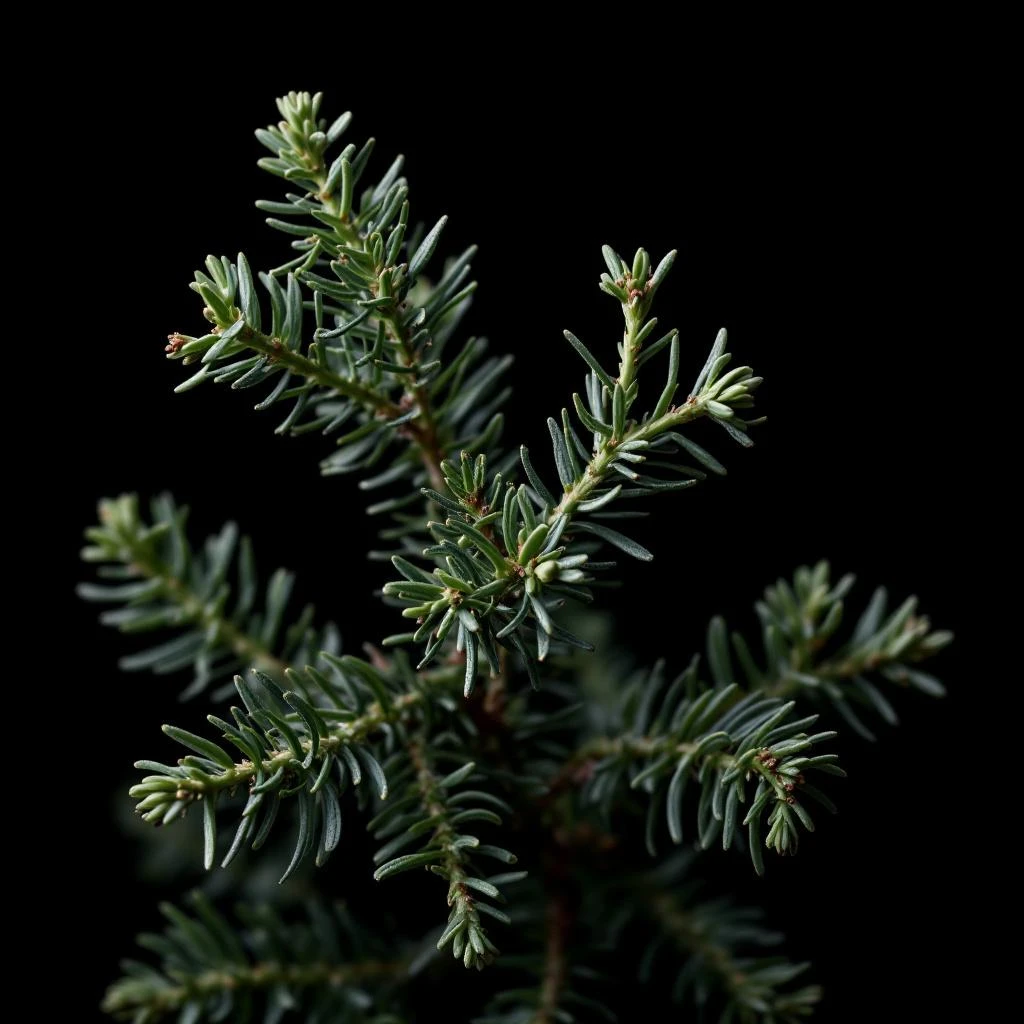
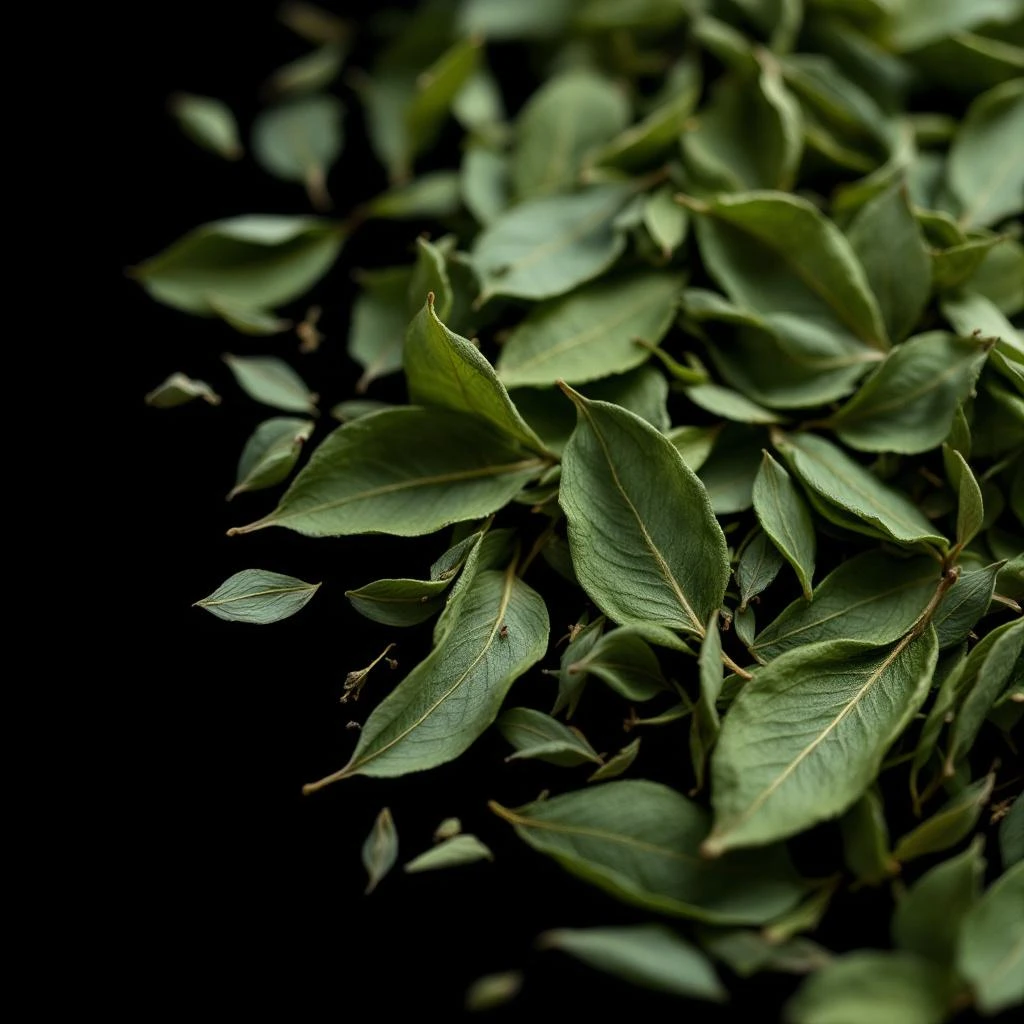
Green Tea is a other note used across many perfume styles, from airy compositions to richer signatures. In practical composition work, perfumers use Green Tea to shape opening impression, heart diffusion, and drydown continuity depending on dosage and pairing. This material is typically sourced as natural, then refined for stability and olfactive consistency. Typical raw material focus includes Young tea leaves, while production commonly relies on Tea absolute or CO2 extracts are uncommon in pure form; many perfumes use reconstructed tea accords built from aromatic molecules.. Regional sourcing is often linked to China, though quality and profile can vary by crop, harvest timing, and processing. Perfumers often use tea-themed accords to create a cool, transparent feeling in a fragrance, even when no literal brewed-tea material is present. Perfume performance depends on concentration, companion materials, and structure of the full formula, so the same note can feel luminous, creamy, fresh, spicy, or textured in different accords.
Heritage
Tea has shaped ritual, trade, and taste for more than a millennium, and green tea in particular became a symbol of refinement long before modern perfumery adopted it. In China, green tea culture developed through successive dynasties with deep links to poetry, philosophy, and hospitality. In Japan, tea ceremony elevated preparation into an aesthetic practice centered on attention, balance, and restraint. Those values map naturally to perfumery, where green tea came to represent clarity, composure, and understated elegance rather than opulence.
Green tea emerged as a recognizable modern fragrance theme in the late twentieth century, when perfumers started emphasizing transparent freshness over dense floral-oriental structures. Since then, tea-driven compositions have remained relevant because they bridge multiple styles: citrus colognes, musky skinscents, floral signatures, and contemporary woody blends. Today the green tea profile is valued for its ability to make perfumes feel cleaner and more breathable while still carrying personality, which explains its continued popularity across both niche and mainstream launches.
At a Glance
1
Feature this note
Other
Olfactive group
Natural
Botanical origin
China
Primary source region
Ingredient Details
Tea absolute or CO2 extracts are uncommon in pure form; many perfumes use reconstructed tea accords built from aromatic molecules.
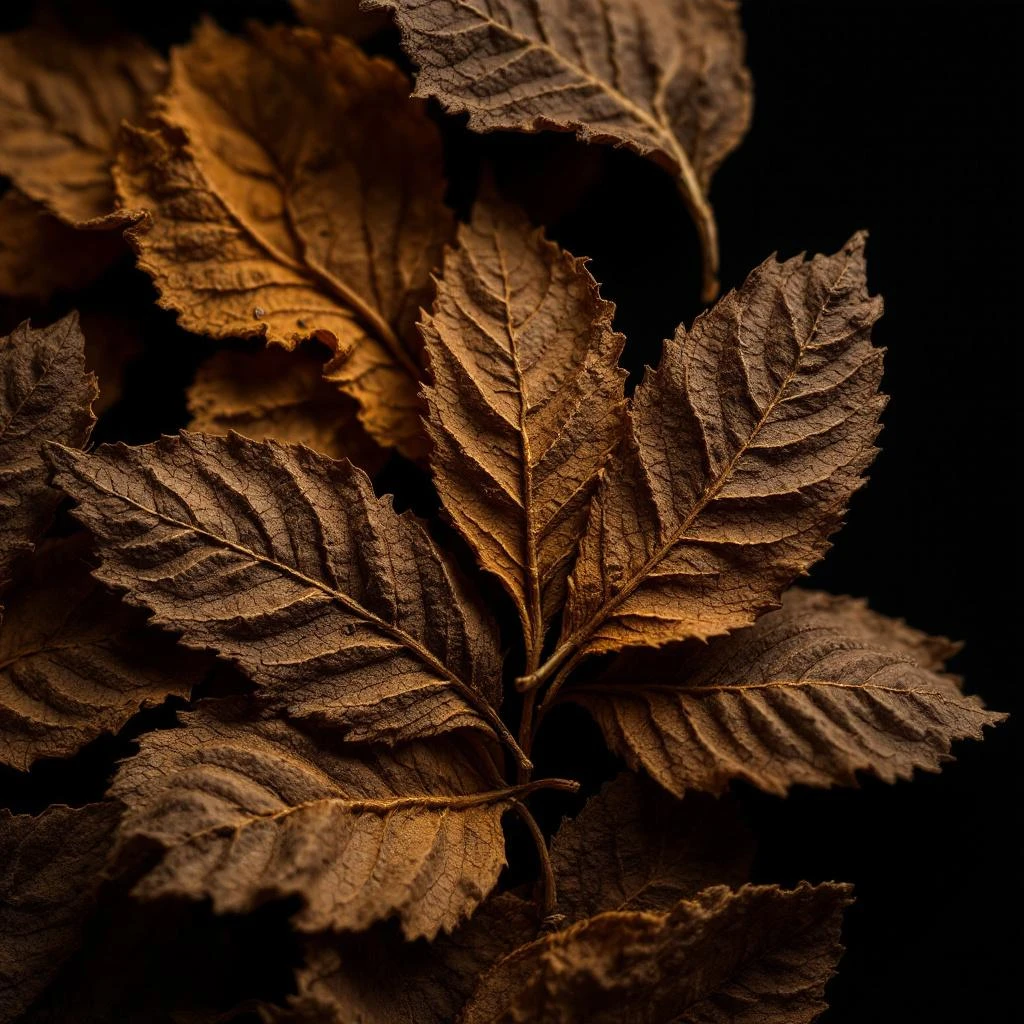
Young tea leaves
Did You Know
"Perfumers often use tea-themed accords to create a cool, transparent feeling in a fragrance, even when no literal brewed-tea material is present."